
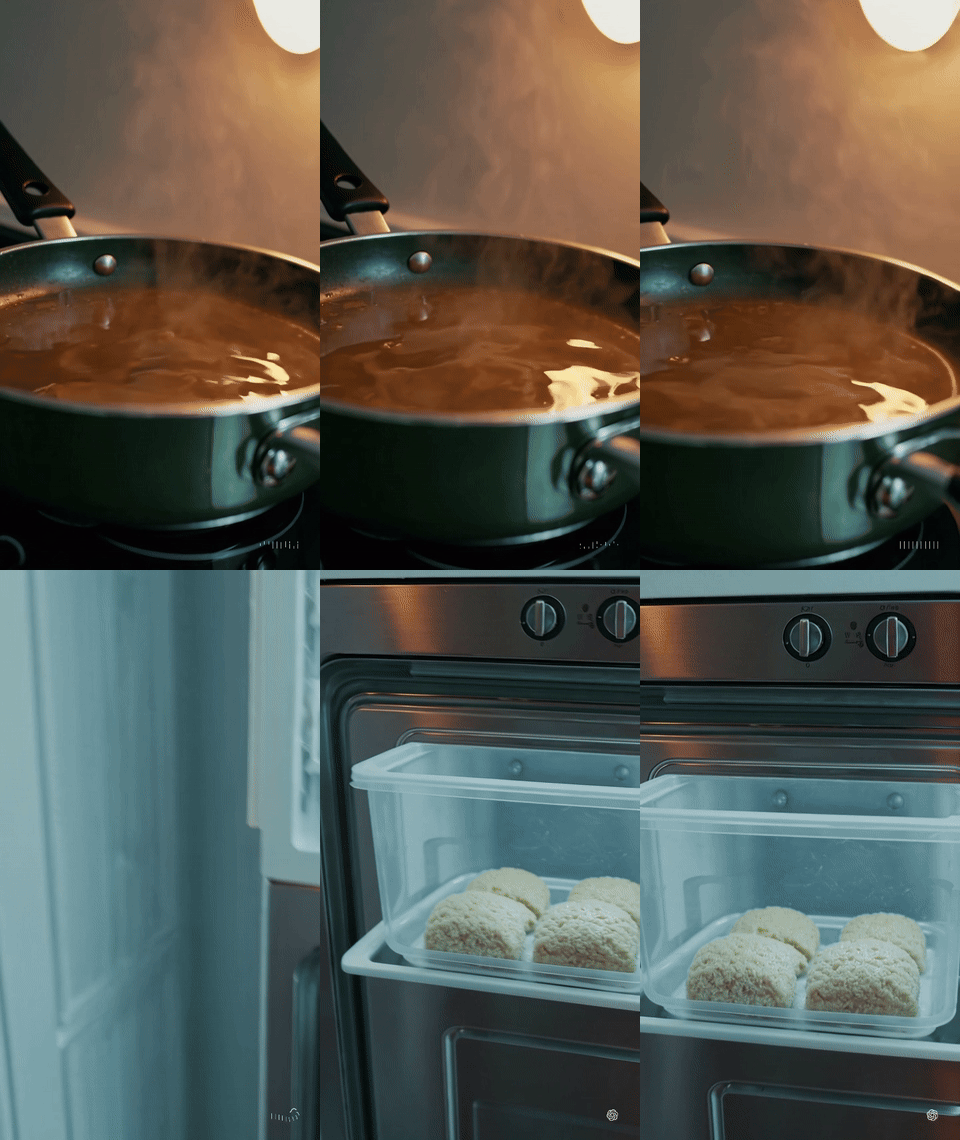
Public health agencies are reporting an increase in foodborne illness cases, many of which are linked not to restaurants, but to improper food handling and storage at home. As grocery prices rise, more people are cooking in bulk, saving leftovers longer, and stretching meals—sometimes beyond safe limits.
One of the most common mistakes is leaving cooked food out too long before refrigeration or storing leftovers without proper sealing. Bacteria such as Salmonella, E. coli, and Listeria can multiply quickly when food is kept in the “danger zone” between 40°F and 140°F, even if the food looks and smells fine.
Why this matters now:
Busy schedules, meal prep trends, and rising food costs mean leftovers are being reused more often. At the same time, power outages, appliance issues, and overloaded refrigerators can increase spoilage risk. Many people rely on visual cues to judge food safety—but harmful bacteria are invisible.
Key Food Safety Guidance:
– Refrigerate cooked food within 2 hours (or 1 hour if temperatures are above 90°F).
– Store leftovers in shallow, airtight containers to cool quickly and evenly.
– Eat refrigerated leftovers within 3–4 days, even if they smell fine.
– Reheat food until it is steaming hot throughout, not just warm.
– When in doubt, throw it out — food poisoning costs more than wasted food.
Nutrition & Health Impact:
Foodborne illness can cause severe dehydration, hospitalization, and long-term complications, especially for children, seniors, pregnant individuals, and those with weakened immune systems. Preventing illness starts with simple, consistent kitchen habits.
Food & Drink Takeaway:
Saving food saves money – but only when it’s stored safely. Proper refrigeration and timely leftovers protect both your health and your household budget.