Categories
Health, Wellness and Medicine

Sitting Has Become the New Health Risk — Experts Are Encouraging “Movement Snacks” Throughout the Day

Health professionals are increasingly warning about the effects of prolonged sitting, a growing concern as more people work remotely, spend hours on computers, stream entertainment, and rely on mobile devices throughout the day. While many people focus on exercise, research suggests that long periods of uninterrupted sitting may have negative effects on health even for individuals who regularly work out.

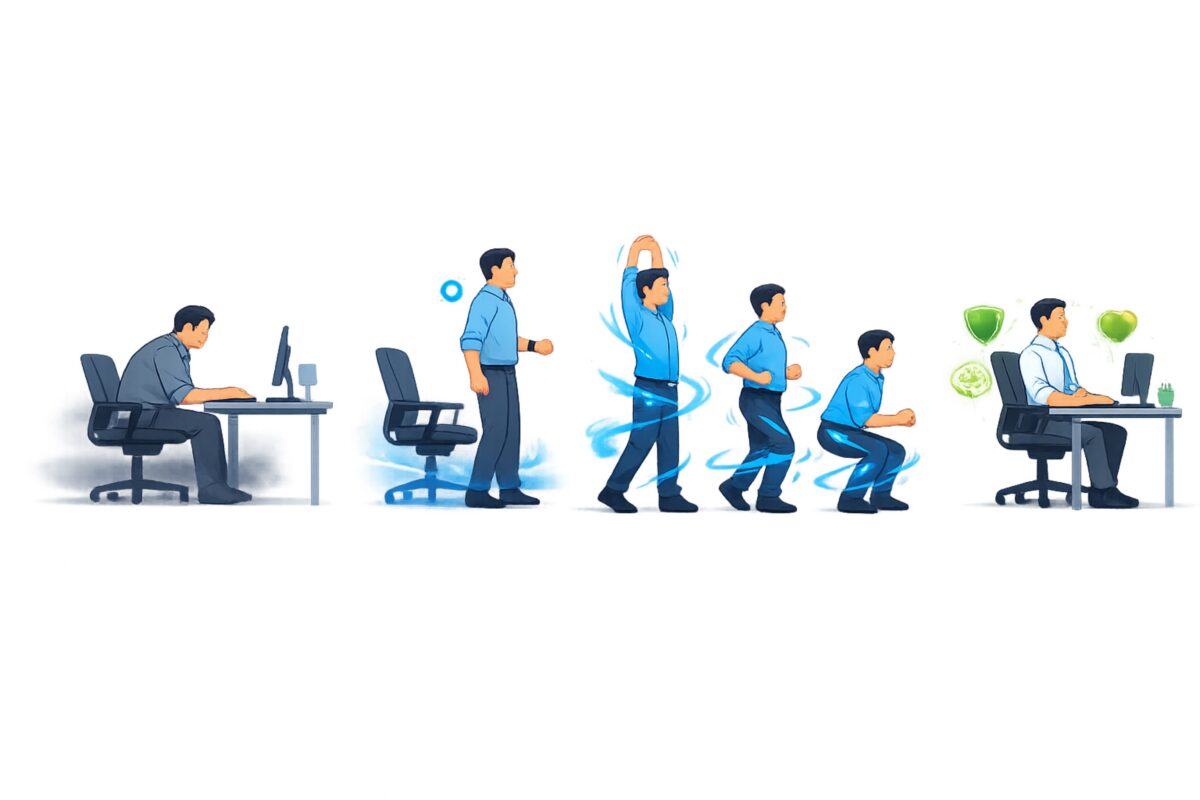
To combat this, wellness experts are promoting what are known as “movement snacks” — short bursts of physical activity lasting anywhere from 30 seconds to 5 minutes throughout the day. These small movement breaks can help improve circulation, reduce muscle stiffness, boost energy levels, and support overall health without requiring a full workout.

Unlike traditional exercise sessions, movement snacks are designed to fit naturally into everyday routines. Examples include standing up and stretching during phone calls, walking while listening to podcasts, taking stairs instead of elevators, or performing a few bodyweight movements between tasks.

🚶 Why This Matters Now

Modern lifestyles are becoming increasingly sedentary.

Many people now spend:

* 8–10 hours working at desks
* Additional hours driving or commuting
* Even more time using phones, tablets, televisions, and computers

The result is that some individuals may spend the majority of their waking hours seated.

Health researchers have linked prolonged sedentary behavior to:

* Reduced circulation
* Increased fatigue
* Back and neck discomfort
* Poor posture
* Elevated stress levels
* Increased risk of metabolic health issues
* Lower energy and productivity

As workplaces continue to embrace remote and hybrid models, movement throughout the day is becoming an increasingly important wellness strategy.

⚠️ Common Signs You’re Sitting Too Much

* Tight hips or lower back discomfort
* Stiff neck and shoulders
* Feeling sluggish in the afternoon
* Frequent headaches
* Poor posture
* Reduced concentration
* Feeling tired despite getting enough sleep

Many people attribute these symptoms to stress or aging when inactivity may be contributing significantly.

💡 Examples of “Movement Snacks”

Health experts recommend incorporating simple movement throughout the day, such as:

* Standing and stretching every 30–60 minutes
* Taking a short walk around the office or home
* Performing a few squats or calf raises
* Walking during phone calls
* Using a standing desk periodically
* Doing light mobility exercises between meetings
* Parking farther away from destinations
* Choosing stairs when available

Even a minute or two of movement can help break up long periods of sitting.

🧠 Mental Wellness Benefits

Movement doesn’t just affect the body.

Brief activity breaks may help:

* Improve focus and concentration
* Reduce mental fatigue
* Improve mood
* Lower stress levels
* Increase productivity
* Promote better sleep quality

Many people report feeling more alert and energized after even a short movement break.

❤️ Long-Term Health Benefits

Regular movement throughout the day may support:

* Better cardiovascular health
* Improved circulation
* Healthier blood sugar regulation
* Reduced muscle stiffness
* Better posture
* Increased mobility
* Greater overall physical resilience

Combined with proper sleep, hydration, nutrition, and exercise, frequent movement creates a stronger foundation for long-term wellness.

🏃 Practical Wellness Guidance

Try setting a recurring timer every hour.

When it goes off:

1. Stand up.
2. Stretch.
3. Walk for one minute.
4. Resume your activity.

This simple habit can add dozens of minutes of healthy movement to your day without requiring extra gym time.

🔍 Wellness Takeaway

You don’t need a one-hour workout to improve your health.

Small amounts of movement performed consistently throughout the day can have a surprisingly positive impact on physical health, mental clarity, energy levels, and overall well-being.

Remember:
The body was built to move. Even a few minutes of activity can help counteract hours of sitting. 🚶💙🧠💪
Categories
Health, Wellness and Medicine

Dehydration Is Rising — Indoor Heating & Busy Schedules Are the Culprit

Colder months and constant indoor heating dry the air, while busy routines make it easy to forget to drink enough water. Mild dehydration can show up as headaches, fatigue, dry skin, dizziness, or trouble concentrating. A simple wellness habit trending now: drink water consistently throughout the day and pair it with light electrolytes when needed,especially if you’re active, sick, or spending long hours indoors.

Why this matters now:
Seasonal changes, illness recovery, and packed schedules increase dehydration risk, even when people don’t feel “thirsty.”

Categories
Health, Wellness and Medicine

Drunk Brain

Ever pulled an all-nighter and felt completely off? You might describe it as groggy, slow, or just plain out of it.

But here’s a wild thought what if that feeling is actually your brain acting drunk?

Science says it’s remarkably similar, and the term for it is sleep deprivation impairment. It turns out, skipping sleep can mess with your head in ways that mirror a few too many drinks.

Think about it when you’re sleep-deprived, your judgment gets fuzzy, your reaction time slows to a crawl, and your ability to focus takes a nosedive.

Sound familiar?

That’s exactly what happens when alcohol gets involved. Your brain’s prefrontal cortex, the VIP section for decision-making and impulse control, takes a hit, making you prone to bad choices. Studies have even quantified this startling similarity, showing that staying awake for a full 24 hours can leave you with cognitive impairments equivalent to having a blood alcohol content (BAC) of 0.10% that’s above the legal driving limit in most places!

So, next time you’re tempted to burn the candle at both ends, remember that your brain isn’t just “tired”; it’s operating under a kind of self-induced intoxication. Prioritizing sleep isn’t just about feeling rested; it’s about staying sharp, making good decisions, and keeping your mind as clear as if you’d responsibly avoided that extra happy hour.

Give your brain the rest it deserves, and you’ll avoid that unwanted “drunk” feeling without ever touching a drop.

Categories
Health, Wellness and Medicine

The Power of Gum

For many, a stick of gum is simply a nostalgic treat or a temporary fix for bad breath.

Yet, this seemingly trivial confection holds a surprising array of potential benefits.

When used judiciously, it can improve our dental hygiene, sharpen our minds, and even calm our bodies.

The most recognized benefit of chewing gum is its positive impact on dental health, particularly when you choose a sugar-free variety.

The act of chewing stimulates a surge of saliva, which is your body’s natural defense. This extra saliva washes away food particles and neutralizes the acids produced by plaque-forming bacteria.

Many sugar-free gums even contain xylitol, a unique sweetener that actively inhibits the growth of these cavity-causing bacteria, making it a simple tool for daily oral care.

Beyond dental hygiene, the rhythmic act of chewing can offer notable cognitive and psychological advantages. The repetitive motion can lead to a slight increase in blood flow to the brain, which may enhance alertness, concentration, and memory. This makes a piece of gum a potential aid for students or professionals needing to stay focused.

Additionally, chewing has been linked to stress reduction, as the simple, repetitive motion can be a self-soothing act. Some studies have even found it can help lower levels of the stress hormone cortisol.

Categories
Health, Wellness and Medicine

Can You “Catch” a Cavity? The Truth About the Unseen Spread

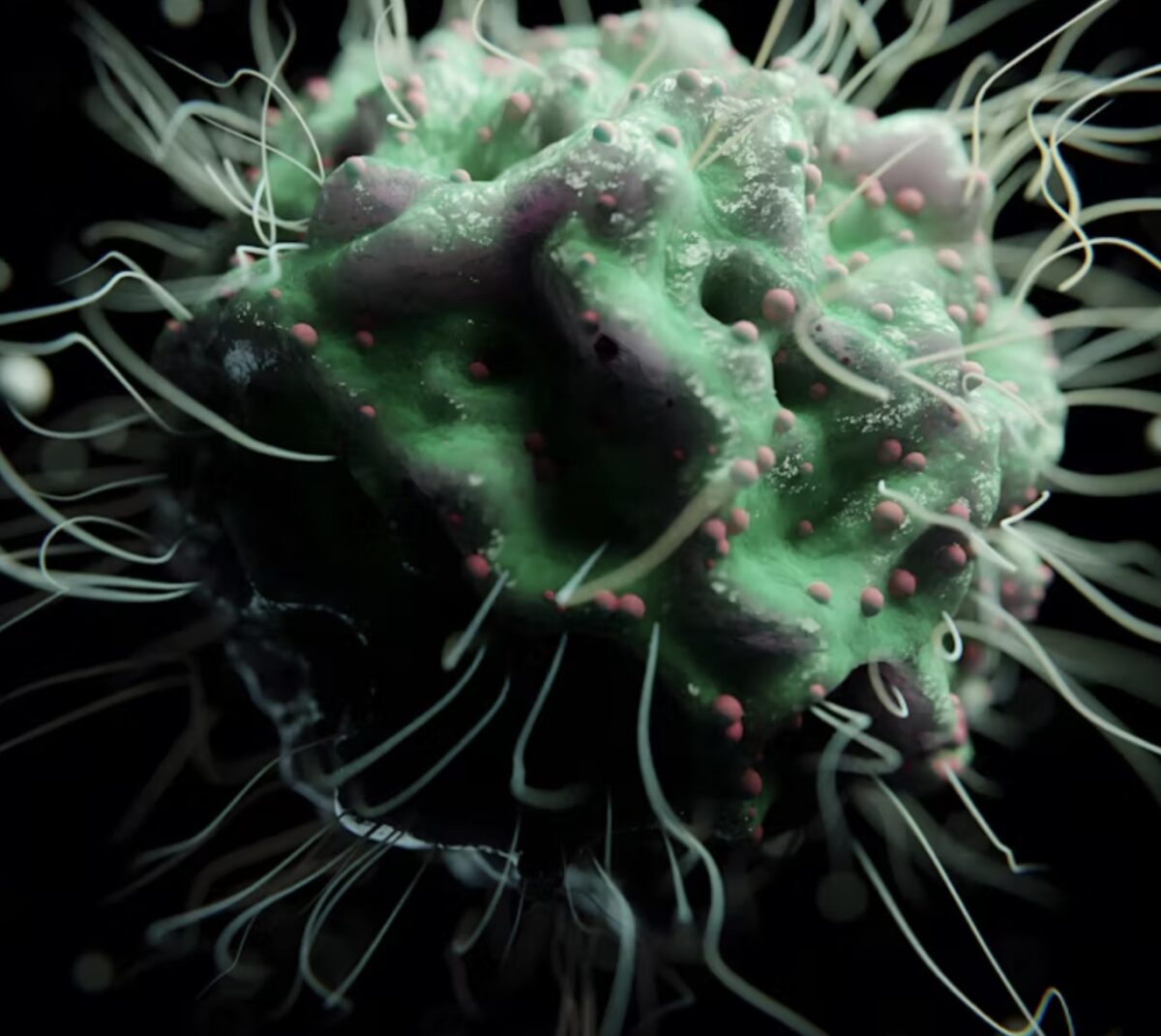
You might think of a cavity as a personal dental problem, something that happens to your own teeth because of your diet or brushing habits. But what if we told you that the bacteria that cause cavities can actually spread from person to person? It’s a surprising reality. While you can’t “catch” a physical cavity like you would a cold or the flu, the microscopic organisms responsible for them can absolutely be shared. A cavity is, at its core, a bacterial infection, and the primary culprit is a bacterium known as Streptococcus mutans. These tiny organisms thrive in our mouths, feeding on the sugars and carbs we consume. In return, they produce acids that gradually erode tooth enamel, creating the tiny pits that eventually become cavities.

This is why it’s so important to understand how these bacteria are transmitted. The primary method is through saliva, which means sharing utensils, cups, and even a simple kiss can transfer these cavity causing microbes. Parents are often the unwitting carriers, unknowingly passing these bacteria to their infants and young children by blowing on food to cool it or cleaning a dropped pacifier with their mouth. Children don’t begin life with these specific bacteria in their mouths; they typically acquire them from their caregivers, making early childhood a particularly critical time for prevention.

Of course, being exposed to these bacteria doesn’t automatically mean you’ll get a cavity. Whether a cavity develops depends on a combination of factors. Your daily oral hygiene habits like regular brushing with fluoride toothpaste and flossing are your first and best defense. Your diet also plays a crucial role; the less sugar you consume, the less fuel you provide for the bacteria to create harmful acids.

Additionally, genetics and natural saliva flow can influence your susceptibility, as a healthy flow of saliva helps neutralize acids and wash away food particles.

Knowing this, you can take simple but powerful steps to protect your smile and the smiles of those you love. The most effective way to prevent the spread is to avoid sharing don’t share toothbrushes, cups, or eating utensils. Maintain excellent personal oral hygiene with consistent brushing and flossing, and be mindful of your diet to limit sugar intake. For parents, being aware of how you handle your child’s food and pacifiers can make a world of difference in their long-term dental health.

Understanding that a cavity is a bacterial infection is the first step toward better oral care, allowing you to be proactive in preventing the spread and keeping your teeth healthy and strong.

Categories
Health, Wellness and Medicine

Medically Tailored Meals (MTM’s)

Medically tailored meals (MTMs)—nutritionally customized meals designed for patients with chronic illnesses like diabetes, heart failure, and cancer—are gaining traction as a critical component of preventive healthcare. Funded through nonprofits and Medicaid, accredited MTM programs designed by dietitians are shown to improve outcomes and reduce healthcare costs. However, the rise of lower-quality, for-profit meal services undercuts efficacy and risks misleading vulnerable patients.

Why it Matters & Actionable Steps:
• Improve health outcomes: Accredited MTM programs address specific dietary needs fundamental to managing chronic disease.
• Act wisely: When possible, seek out MTM providers affiliated with nonprofits or your healthcare provider that use registered dietitians and individualized assessments.
• Raise awareness: Share this resource in patient groups or with caregivers to help more people access impactful nutrition-based care

Categories
Health, Wellness and Medicine

Ever Wonder What’s Really Happening When You’re in the Sun?

Let’s be honest, we’ve all been there whether you’re trying to get a nice tan or you accidentally forgot the sunscreen and ended up a lobster. But what’s actually going on with your skin? It’s all about ultraviolet (UV) radiation, and your body has some pretty cool ways of reacting to it.
A sunburn isn’t just a little red mark, it’s your skin’s emergency alarm going off! It’s basically a burn caused by too much UV light, specifically the UVB rays. When these rays hit your skin, they can damage the DNA in your skin cells. Your body rushes in to fix the problem, which is what causes all that redness, heat, and pain. It’s a loud and clear sign that your skin is hurt.

On the flip side, a suntan is your body’s way of building up its natural protection. When you’re out in the sun, UVA rays activate special cells called melanocytes. These little guys create a pigment called melanin, which is what gives your skin its color. Think of melanin as a natural shield that absorbs UV rays to protect the deeper layers of your skin. So, a tan isn’t just a healthy glow, it’s your skin’s defense mechanism in action!
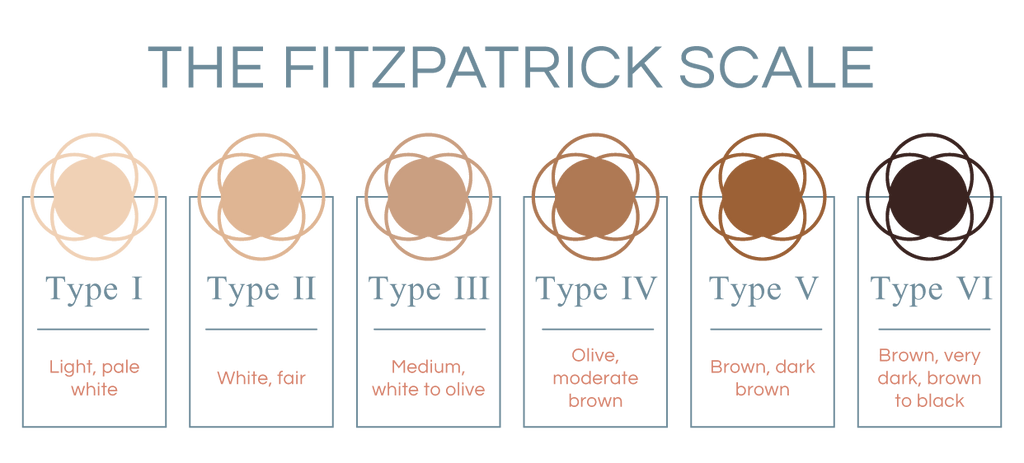
How your skin handles the sun depends on how much melanin you naturally have. The Fitzpatrick scale is a handy guide that classifies skin into six types based on how it reacts to the sun. It’s your skin’s superpower.

When you spend time in the sun, you’re exposing your skin to ultraviolet (UV) radiation. There are two main types of UV rays that reach us: UVA and UVB. Both can affect your skin in different ways, leading to either a sunburn or a suntan. ☀️

A sunburn is basically a radiation burn. It’s your skin’s emergency response to too much UV exposure. UVB rays, in particular, are the main culprits. When they hit your skin, they can damage the DNA in your skin cells. This damage triggers your body to send an army of immune cells to the area to start repairs. The redness, heat, and pain you feel are all part of this inflammatory response. It’s a clear sign that your skin has been injured.

A suntan, on the other hand, is your body’s attempt to protect itself from future sun damage. When your skin is exposed to UVA rays, special cells called melanocytes are activated. These cells produce a pigment called melanin. Melanin is the brown pigment that gives your skin its color, and it works like a natural shield, absorbing UV radiation to protect the deeper layers of your skin. A tan is essentially your skin’s defense mechanism kicking into high gear.

Your personal reaction to the sun whether you burn, tan, or both depends on the amount of melanin in your skin. Scientists use the Fitzpatrick scale to classify skin into six types based on how it responds to the sun.

Type I: Pale white skin, red or blond hair. This skin always burns and never tans.
Type II: Fair skin, blue or green eyes. This skin burns easily and tans with difficulty.
Type III: Darker white or light brown skin. This skin sometimes burns but gradually tans.
Type IV: Light brown or olive skin. This skin burns minimally and tans easily.
Type V: Brown skin. This skin rarely burns and tans very easily and darkly.
Type VI: Dark brown or black skin. This skin never burns and always tans darkly.

No matter your skin type, UV radiation can still cause long-term damage like premature aging and an increased risk of skin cancer. Even if you tan easily, that tan is still a sign of damage. That’s why protecting your skin is so important, regardless of your complexion!

Categories
Health, Wellness and Medicine

Why Your Drink Belongs in Glass

Tired of worrying about what’s in your water bottle besides the water?

As we become more conscious about what we put in our bodies, the container holding our drinks is just as important as the drink itself. That’s where glass comes in, and here’s why it’s making a big comeback.

In an age where we are constantly questioning the materials we use and their impact on our health and the environment, glass bottles are making a powerful comeback. Once a standard, glass fell out of favor with the rise of cheaper, lighter, and more convenient plastic. However, as the downsides of plastic and aluminum become clearer, the benefits of glass are shining through, making it a superior choice for both personal well-being and a healthier planet.

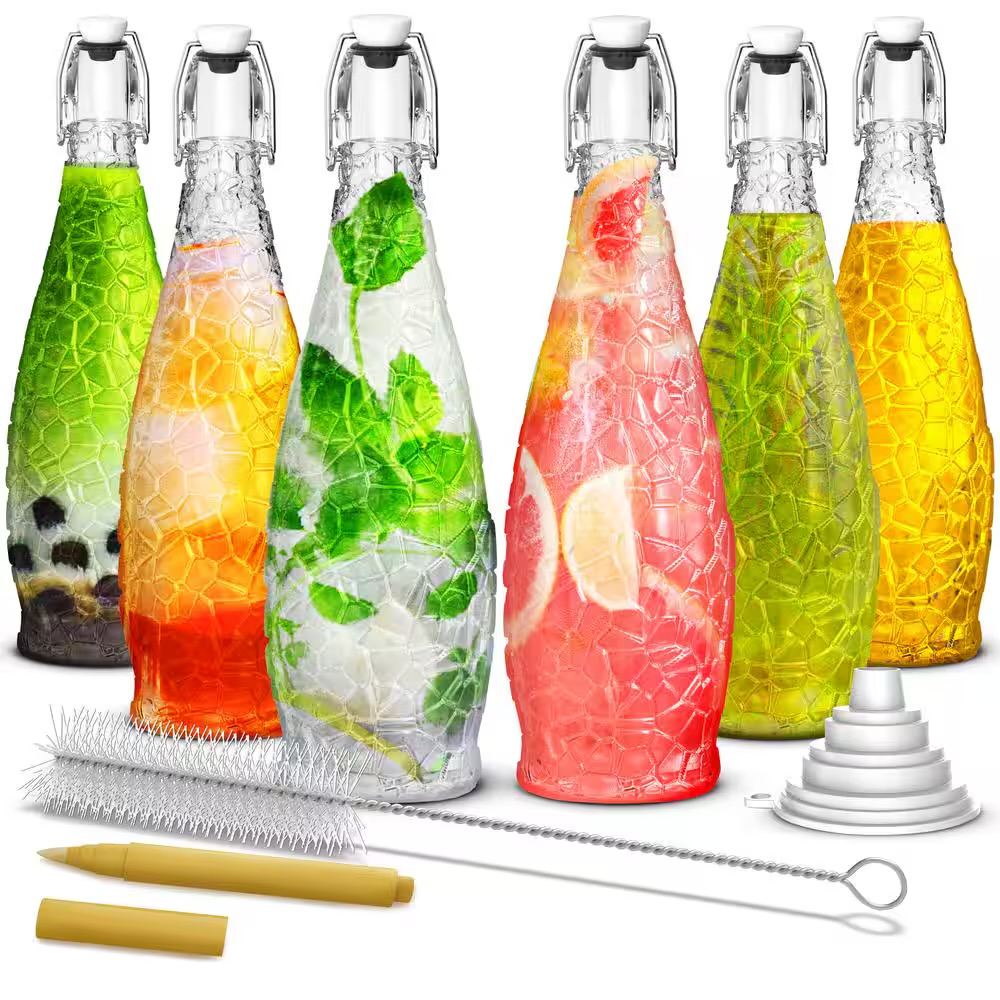
The most significant advantage of glass is its purity and inert nature. Unlike plastic and even aluminum, which often require internal linings, glass is completely non-porous and non-reactive. This means that it will not absorb odors, flavors, or colors from the liquids it holds. Your water will taste like water, not like yesterday’s juice or coffee. More importantly, glass does not leach any harmful chemicals into its contents. There’s no risk of BPA, phthalates, or other endocrine disrupting compounds migrating from the container into your beverage, even when exposed to heat. This makes glass the safest and most stable option for storing food and drinks, giving you peace of mind that what you’re consuming is truly pure.

From an environmental standpoint, glass is a champion of sustainability. It is made from abundant, natural resources like sand, soda ash, and limestone. What truly sets it apart is its infinite recyclability. Glass can be recycled over and over again without any loss in quality or purity, creating a true closed loop system. While plastic is also recyclable, it often “downcycles” into lower quality products, and a large portion of it ends up in landfills. Aluminum, while highly recyclable, still requires a protective lining. With glass, a recycled bottle can be melted down and reformed into a brand new bottle in as little as 30 days, using significantly less energy than manufacturing from raw materials. This makes glass a powerful tool in the fight against pollution and waste.

Beyond its health and environmental benefits, glass offers a number of practical advantages. Its non-porous surface makes it incredibly easy to clean and sterilize, a major benefit for reusable containers. It is also highly durable and resistant to scratches, maintaining its clarity and aesthetic appeal over time. Furthermore, glass’s ability to withstand high temperatures makes it safe for use in microwaves and dishwashers, and it can even be used to store hot liquids without any concern. In a world full of compromises, the choice to use glass is one that offers a clean, safe, and sustainable solution, proving that sometimes, the best innovations are the ones that have been around for centuries.

Categories
Health, Wellness and Medicine

The Aluminum Can A Refreshing Choice, or a Hidden Compromise?

When you reach for an ice cold can of your favorite beverage, you’re not just grabbing a drink you’re choosing a piece of packaging with a story.

Aluminum cans have long been a staple of the beverage industry, celebrated for their durability and incredible recyclability. But before you crack open that next can, it’s worth considering what lies just beneath the surface.

The health conversation around aluminum cans isn’t about the aluminum itself, but about the liner that protects your drink from the metal. For years, this lining was made with bisphenol A (BPA), a chemical known to be an endocrine disruptor. While the industry has widely moved towards BPA-free liners, this hasn’t completely settled the debate. Researchers are now looking at the chemicals used in these newer liners, some of which may have similar properties to BPA.

Another, often overlooked, aspect of the can is its exterior. Think about where a can has been before it gets to you a factory floor, a shipping truck, a warehouse, and a store shelf. The top of that can accumulates dust, dirt, and bacteria. While the risk of getting sick from this is low, a quick wipe with a cloth is a small step you can take to make your drinking experience a little cleaner.

But here’s the good news the aluminum can has a huge advantage in the sustainability department. It is one of the most recycled materials on the planet, with a recycling rate that far surpasses plastic. The process of recycling aluminum uses significantly less energy than creating new cans from raw materials. This makes aluminum cans a champion of the circular economy, reducing landfill waste and minimizing environmental impact.
In the end, the aluminum can is a story of a good idea with a few potential compromises. While the lining is still a topic of discussion, its environmental benefits are clear.

If you’re looking for a better option than plastic, an aluminum can is a great step. But for the ultimate in clean and sustainable hydration, nothing beats a reusable bottle of your own.

Categories
Health, Wellness and Medicine

The Great Plastic Debate, Is Your Bottle Hiding a Secret?

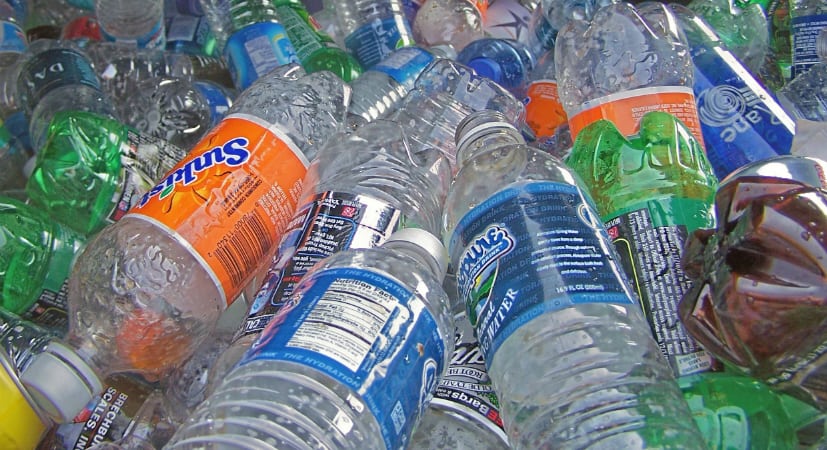
We’ve all been there grabbing a plastic water bottle on the go for a quick dose of hydration. It’s convenient, it’s cheap, and it gets the job done. But have you ever stopped to think about what’s really in that bottle and I’m not just talking about the water? The truth is, that innocent-looking plastic bottle might be hiding some secrets you’ll want to know about.

First up, let’s talk about what the bottle is made of: PET plastic. It’s designed for single use, but many of us reuse them. Here’s the kicker: with every reuse, especially if you’re washing it or leaving it in a warm car, that plastic can start to break down. This process can release chemicals like bisphenol A (BPA) and other similar compounds that are known as endocrine disruptors. While many bottles are now labeled “BPA-free,” the substitutes might not be much better, and research is still catching up on their long-term effects.

And if that’s not enough to make you think twice, consider this: microplastics. These tiny plastic particles are everywhere, and bottled water is no exception. Recent studies have found that a single liter of bottled water can contain hundreds of thousands of these microscopic fragments. While we don’t fully understand the health implications of ingesting these particles, some research suggests they could pass into our bloodstream and organs. It’s a brand new frontier of health concerns, and one that’s hard to ignore.

So, what’s the takeaway? That plastic bottle is more than just a container. It’s a complex piece of the puzzle, with potential health risks and a heavy environmental toll. If you’re a fan of the plastic bottle, it might be time to consider a change. Opting for a reusable glass or stainless steel bottle is the best way to avoid these issues and ensure your hydration habit is as clean and healthy as possible.