
Categories
Food and Drinks

AI Literacy Is Becoming a Core Skill — Understanding AI May Soon Be as Important as Understanding the Internet

Schools, universities, employers, and workforce development organizations are increasingly emphasizing a new form of digital literacy:

AI Literacy.

As artificial intelligence becomes integrated into search engines, productivity software, customer service platforms, healthcare systems, education tools, financial services, and everyday devices, experts believe understanding how AI works is becoming an essential life skill.

AI literacy does not require learning computer programming or becoming a software engineer. Instead, it focuses on helping people understand what AI can do, what it cannot do, how to evaluate AI-generated information, and how to use these tools responsibly and effectively.

Much like internet literacy became critical during the rise of the digital age, AI literacy is quickly becoming an important part of education and lifelong learning.

🤖 Why This Matters Now

Artificial intelligence is appearing almost everywhere.

People encounter AI when using:

* Search engines
* Smartphones
* Virtual assistants
* Navigation apps
* Customer service chatbots
* Social media platforms
* Productivity software
* Content creation tools
* Translation services
* Online shopping recommendations

Many individuals use AI daily without realizing it.

As adoption continues to grow, understanding the technology becomes increasingly important.

📚 What AI Literacy Means

AI literacy includes understanding:

How AI Generates Responses

AI identifies patterns from large amounts of information and generates predictions based on those patterns.

AI Is Not Human

AI can produce impressive results, but it does not possess human judgment, emotions, experiences, or true understanding.

AI Can Make Mistakes

AI systems sometimes generate inaccurate, incomplete, outdated, or misleading information.

Verification remains essential.

Human Oversight Matters

Critical decisions should involve human review and judgment.

🧠 Skills Being Taught

Educational programs are increasingly teaching:

* Prompt writing
* Fact-checking
* Information verification
* Digital ethics
* Responsible AI use
* Critical thinking
* Source evaluation
* Data privacy awareness

The goal is not simply using AI, but using it intelligently.

⚠️ Common Misconceptions

Many people incorrectly assume:

* AI is always correct.
* AI understands information like humans do.
* AI can replace all human expertise.
* AI-generated content never requires verification.

Experts strongly recommend maintaining critical thinking when using any AI-powered system.

🎓 Benefits of AI Literacy

People who understand AI may be better equipped to:

✔ Evaluate information

✔ Improve productivity

✔ Learn new skills faster

✔ Use technology responsibly

✔ Recognize misinformation

✔ Protect personal data

✔ Adapt to changing workplaces

💼 Workforce Impact

Employers increasingly value workers who can:

* Collaborate with AI tools
* Verify AI-generated information
* Improve workflows using automation
* Understand AI limitations
* Make informed technology decisions

Many industries now view AI literacy as a competitive advantage.

📱 Practical Tips for Everyday Users

When using AI:

1. Verify important information.
2. Cross-reference multiple sources.
3. Avoid sharing sensitive personal data.
4. Ask follow-up questions.
5. Think critically about results.
6. Use AI as a tool—not as a replacement for judgment.

🌎 Community Impact

Communities that improve AI literacy may benefit from:

* Stronger digital skills
* Better technology adoption
* Improved workforce readiness
* Greater protection from misinformation
* Increased educational opportunities

The ability to understand emerging technologies helps individuals participate more effectively in modern society.

🔍 Education Takeaway

Learning about AI is no longer just for technology professionals.

As AI becomes woven into everyday life, understanding how to use it responsibly, safely, and effectively is becoming a valuable skill for everyone.

Remember:
The future belongs not only to those who use AI—but to those who understand it.

🤖📚💡🌎 Learn AI. Question AI. Use AI wisely.
Categories
Food and Drinks

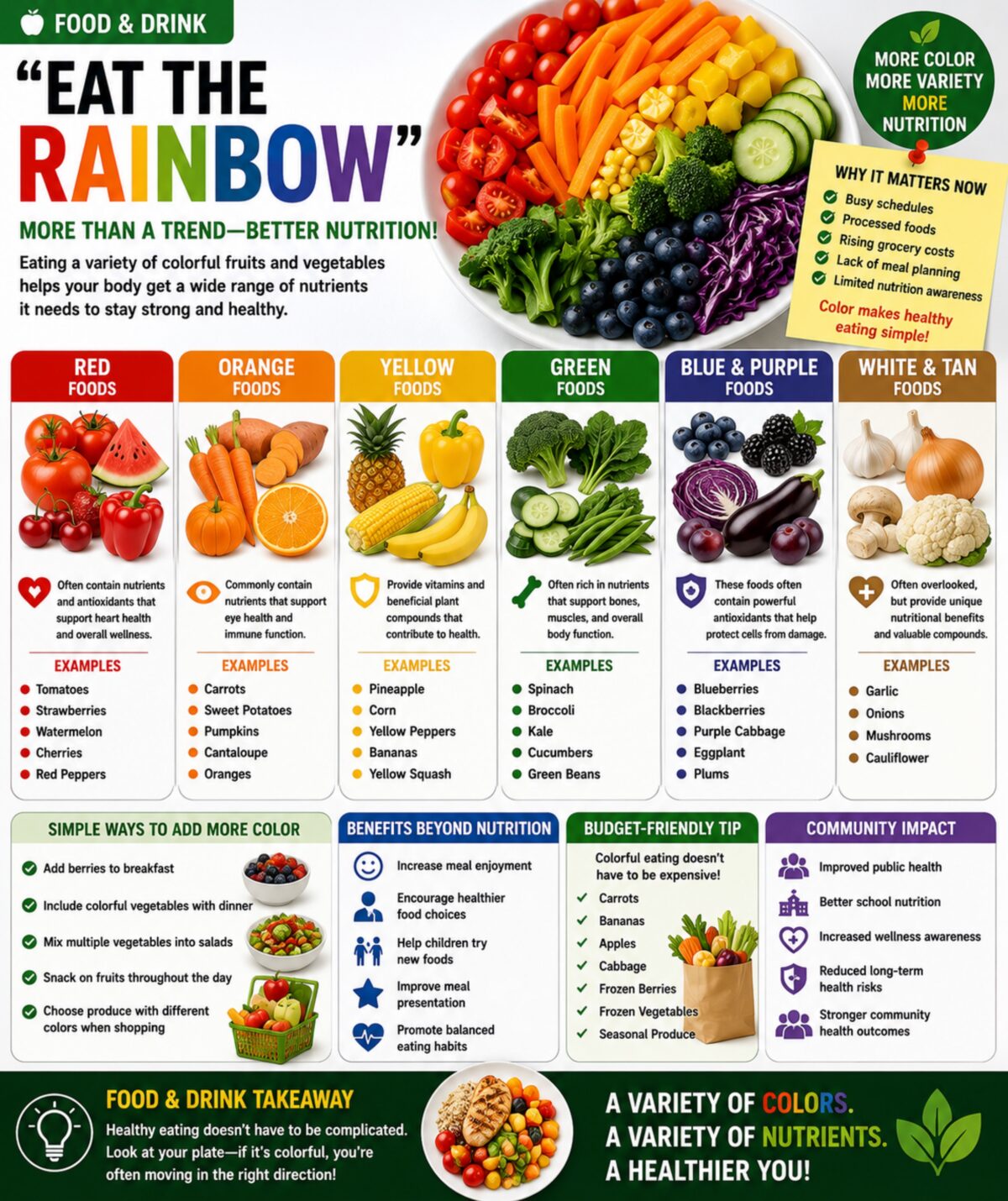
“Eat the Rainbow” Is More Than a Trend — Colorful Foods May Improve Overall Nutrition

Nutrition experts continue to encourage a simple guideline that is gaining popularity among families, schools, wellness programs, and healthcare providers:

Eat the Rainbow.

The idea is straightforward: consume fruits and vegetables of many different colors throughout the week. Different colors often indicate different vitamins, minerals, antioxidants, and plant compounds that support various functions within the body.

While no single food contains everything the body needs, a colorful plate naturally increases nutritional variety and may help people consume a broader range of beneficial nutrients.

The concept is simple enough for children to understand and practical enough for adults to apply during grocery shopping and meal planning.

🌈 Why This Matters Now

Many people struggle to meet recommended fruit and vegetable intake goals.

Common barriers include:

* Busy schedules
* Processed convenience foods
* Rising grocery costs
* Lack of meal planning
* Limited nutritional awareness

The “Eat the Rainbow” approach simplifies healthy eating by focusing on color variety instead of complicated nutrition calculations.

🔴 Red Foods

Examples:

* Tomatoes
* Strawberries
* Watermelon
* Cherries
* Red peppers

Often associated with nutrients and antioxidants that support heart health and overall wellness.

🟠 Orange Foods

Examples:

* Carrots
* Sweet potatoes
* Pumpkins
* Cantaloupe
* Oranges

Commonly contain nutrients that support eye health and immune function.

🟡 Yellow Foods

Examples:

* Pineapple
* Corn
* Yellow peppers
* Bananas
* Yellow squash

Often provide vitamins and beneficial plant compounds that contribute to overall health.

🟢 Green Foods

Examples:

* Spinach
* Broccoli
* Kale
* Cucumbers
* Green beans

Often rich in nutrients that support bones, muscles, and overall body function.

🔵🟣 Blue & Purple Foods

Examples:

* Blueberries
* Blackberries
* Purple cabbage
* Eggplant
* Plums

These foods often contain powerful antioxidants that help protect cells from damage.

⚪ White & Tan Foods

Examples:

* Garlic
* Onions
* Mushrooms
* Cauliflower

Though often overlooked, these foods provide unique nutritional benefits and valuable compounds.

🍽️ Simple Ways To Add More Color

Try:

* Adding berries to breakfast
* Including colorful vegetables with dinner
* Mixing multiple vegetables into salads
* Snacking on fruits throughout the day
* Choosing produce with different colors during grocery shopping

Small additions can significantly improve dietary variety over time.

🧠 Benefits Beyond Nutrition

Colorful meals may also:

✔ Increase meal enjoyment

✔ Encourage healthier food choices

✔ Help children try new foods

✔ Improve meal presentation

✔ Promote balanced eating habits

Many people naturally consume more fruits and vegetables when focusing on color diversity.

🛒 Budget-Friendly Tip

You don’t need exotic ingredients.

Affordable options often include:

* Carrots
* Bananas
* Apples
* Cabbage
* Frozen berries
* Frozen vegetables
* Seasonal produce

Nutritional variety can be achieved without significantly increasing grocery costs.

🌎 Community Impact

Healthy eating habits contribute to:

* Improved public health
* Better school nutrition
* Increased wellness awareness
* Reduced long-term health risks
* Stronger community health outcomes

Simple nutrition education can create lasting positive effects across generations.

🔍 Food & Drink Takeaway

Healthy eating doesn’t have to be complicated.

Sometimes the easiest nutrition guide is also the most visual:

Look at your plate.

If it contains a variety of colors, you’re often moving in the right direction.

🌈🥦🍓🥕🍇 More color. More variety. More nutrition.

Categories
Food and Drinks

Hydration Drinks Are Everywhere — But Water Is Still the Most Important Beverage

Sports drinks, electrolyte mixes, hydration packets, enhanced waters, and functional beverages are becoming increasingly popular. Social media influencers, athletes, wellness brands, and fitness communities frequently promote hydration products that promise improved energy, recovery, focus, and performance.

While some hydration products can be beneficial during intense exercise, illness, extreme heat, or prolonged physical activity, health experts continue to emphasize that plain water remains the primary hydration source most people need throughout the day.

Many consumers mistakenly assume that constantly drinking electrolyte beverages is healthier than water. However, many of these products contain added sugars, sodium, caffeine, artificial sweeteners, or unnecessary supplements that may not be needed for everyday hydration.

💧 Why This Matters Now

Hydration awareness is increasing as communities experience:

* Higher summer temperatures
* More outdoor activities
* Increased fitness participation
* Heat advisories
* Greater focus on wellness and recovery

At the same time, beverage companies are introducing hundreds of new hydration-focused products, making it difficult for consumers to know when specialized drinks are actually necessary.

⚠️ Common Hydration Myths

Many people believe:

* Sports drinks are healthier than water
* Electrolytes should be consumed constantly
* Thirst is the only indicator of dehydration
* Energy drinks improve hydration
* More supplements always equal better hydration

Health experts caution that hydration needs vary significantly based on activity level, age, climate, and overall health.

🏃 When Electrolytes May Help

Electrolyte replacement can be useful during:

* Intense exercise lasting more than one hour
* Heavy sweating
* Outdoor work in extreme heat
* Illness involving vomiting or diarrhea
* Athletic competitions
* Extended physical exertion

In these situations, replacing lost minerals may help support hydration and recovery.

🥤 Everyday Hydration Tips

Simple habits often provide the greatest benefits:

* Carry a reusable water bottle
* Drink water consistently throughout the day
* Increase intake during hot weather
* Consume water-rich foods such as fruits and vegetables
* Monitor urine color as a hydration indicator
* Limit excessive sugary beverages

Many people discover that small, consistent hydration habits work better than occasional large amounts of fluid.

🧠 Benefits of Proper Hydration

Adequate hydration may support:

* Improved focus and concentration
* Better energy levels
* Healthy digestion
* Temperature regulation
* Physical performance
* Joint function
* Overall wellness

Even mild dehydration can sometimes contribute to headaches, fatigue, dizziness, and reduced concentration.

🍉 Food Can Help Too

Hydration doesn’t only come from beverages.

Foods with high water content include:

* Watermelon
* Strawberries
* Cucumbers
* Oranges
* Lettuce
* Celery
* Tomatoes

These foods contribute to daily fluid intake while providing vitamins and nutrients.

🌞 Community Impact

During heat waves and periods of high temperatures, hydration becomes an important public health concern. Communities often see increases in heat exhaustion, dehydration-related illnesses, and emergency medical calls when residents underestimate fluid needs.

Awareness, preparation, and consistent hydration habits help reduce these risks.

🔍 Food & Drink Takeaway

Hydration trends will come and go, but the fundamentals remain the same.

Water is still one of the most effective, affordable, and accessible wellness tools available.

💧 Drink consistently. Stay hydrated. Stay healthy. 🥤🍉☀️

Categories
Food and Drinks

Squeeze The Day With An Orange 🍊

Oranges are far more than a simple source of Vitamin C; they are a complex package of bioactive compounds that support systemic health. While one medium orange provides approximately 70mg of Vitamin C (nearly 100% of the recommended daily intake), it also delivers a significant dose of hesperidin, a citrus flavonoid that has been clinically shown to improve blood vessel function and help lower blood pressure.

Unlike fruit juice, consuming the whole fruit provides roughly 3 grams of dietary fiber, which slows the digestion of natural sugars and prevents insulin spikes. Furthermore, oranges are an excellent source of potassium and folate, essential nutrients for heart health and cellular repair. With a water content of approximately 86%, they serve as a nutrient-dense hydration tool that facilitates the production of collagen, the primary structural protein in human skin and connective tissues.

Categories
Food and Drinks

Foodborne Illness Cases Are Rising – Improper Food Storage Is a Major Cause

Public health agencies are reporting an increase in foodborne illness cases, many of which are linked not to restaurants, but to improper food handling and storage at home. As grocery prices rise, more people are cooking in bulk, saving leftovers longer, and stretching meals—sometimes beyond safe limits.

One of the most common mistakes is leaving cooked food out too long before refrigeration or storing leftovers without proper sealing. Bacteria such as Salmonella, E. coli, and Listeria can multiply quickly when food is kept in the “danger zone” between 40°F and 140°F, even if the food looks and smells fine.

Why this matters now:
Busy schedules, meal prep trends, and rising food costs mean leftovers are being reused more often. At the same time, power outages, appliance issues, and overloaded refrigerators can increase spoilage risk. Many people rely on visual cues to judge food safety—but harmful bacteria are invisible.

Key Food Safety Guidance:
– Refrigerate cooked food within 2 hours (or 1 hour if temperatures are above 90°F).
– Store leftovers in shallow, airtight containers to cool quickly and evenly.
– Eat refrigerated leftovers within 3–4 days, even if they smell fine.
– Reheat food until it is steaming hot throughout, not just warm.
– When in doubt, throw it out — food poisoning costs more than wasted food.

Nutrition & Health Impact:
Foodborne illness can cause severe dehydration, hospitalization, and long-term complications, especially for children, seniors, pregnant individuals, and those with weakened immune systems. Preventing illness starts with simple, consistent kitchen habits.

Food & Drink Takeaway:
Saving food saves money – but only when it’s stored safely. Proper refrigeration and timely leftovers protect both your health and your household budget.

Categories
Food and Drinks

Go Bananas for Your Health: The Incredible Benefits of This Humble Fruit

Forget the fancy, expensive “superfoods” the real hero of the produce aisle is the humble banana. This yellow wonder isn’t just a convenient, peel-and-eat snack; it’s a nutritional powerhouse wrapped in its own perfect packaging. I mean, seriously, what other fruit can you grab on your way out the door that consistently delivers so much goodness? We’re talking about a fruit endorsed by the American Medical Association nearly a century ago! Whether you blend it, slice it over cereal, or just eat it plain, here’s why you should be reaching for a banana every single day!
If you want to keep that ticker strong, you need to talk about potassium, and bananas are practically royalty in this department. Potassium is a crucial electrolyte that works tirelessly to keep your heart beating regularly and your muscles contracting smoothly. More importantly, it’s the anti-sodium crusader! A diet rich in potassium helps your body flush out excess sodium, which can dramatically help lower your blood pressure and ease the strain on your blood vessels. Think of it as a natural, edible blood pressure regulator and all you have to do is peel and enjoy. A medium banana gives you around 422 mg of potassium, making it a truly heart-smart snack.
Bananas are legendary for being gentle on the stomach, which is why they are often the first thing doctors recommend after a stomach bug. They contain a great mix of soluble and insoluble fiber, which not only keeps your bowels happy and regular but also makes you feel fuller for longer. But here’s the cool part: bananas are a fantastic source of prebiotics. These are special fibers that don’t get digested in your stomach; they travel to your large intestine where they act as food for the good bacteria already living there. So, by eating a banana, you’re essentially running a five-star restaurant for your gut microbes, improving overall digestive health and boosting your immunity!
Ask any athlete what they grab before a race, and there’s a good chance they’ll say a banana. Why? Because it’s the perfect fuel source. The natural sugars (glucose, fructose, and sucrose) give you a quick, clean burst of energy, while the fiber ensures that energy is released steadily, preventing that nasty sugar crash. And if you’ve ever had a killer cramp mid-run, you know why bananas are a post-workout essential, too! The high potassium content is key to replenishing the electrolytes lost in sweat and helping to prevent those painful muscle cramps. It’s the ultimate, all-natural pre- and post-gym partner.
While potassium gets all the glory, don’t overlook the impressive vitamin lineup. Bananas are exceptionally high in Vitamin B6, a nutrient essential for converting the food you eat into energy, supporting brain function, and producing red blood cells. You also get a solid dose of Vitamin C, which acts as an antioxidant to fight off damage and supports collagen production for glowing skin. Plus, there’s manganese and magnesium thrown into the mix, contributing to strong bones and a balanced mood. It’s a surprisingly well-rounded nutritional profile for such an uncomplicated, everyday fruit.
So, next time you see a bunch of bananas, give them the respect they deserve. They truly are a powerhouse of simple, accessible health! What’s your favorite way to eat a banana sliced on toast, blended in a smoothie, or just as nature intended?

Categories
Food and Drinks

Quenching Your Thirst

Thinking about grabbing soda or a sports drink to quench your thirst?

Hold that thought!

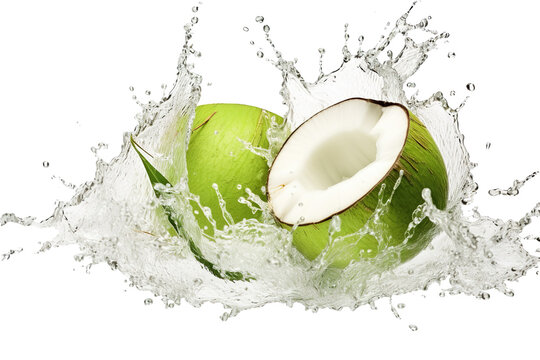
There’s a much cooler, all natural option that’s been hydrating people for centuries “Pure coconut water”. It’s the clear liquid straight from a young green coconut, and it’s not just a trendy drink it’s a powerhouse of natural goodness that your body will thank you for.

One of the biggest reasons to reach for coconut water is its incredible ability to hydrate and replenish electrolytes. It’s naturally loaded with key minerals like potassium, sodium, magnesium, and calcium. We lose these vital minerals when we sweat, and coconut water does a fantastic job of putting them back. In fact, it’s particularly rich in potassium, a mineral crucial for keeping your heart, nerves, and muscles working properly. That’s why it’s a perfect post workout drink after light exercise or a great way to rehydrate on a hot day.

Beyond hydration, this tropical elixir brings a lot more to the table. For one, it’s a great option if you’re watching your sugar and calorie intake. Unlike many bottled juices and sodas, pure coconut water is naturally low in both. Just be sure to check the label to make sure you’re getting the pure stuff without any added sugars. It also contains antioxidants, which help protect your cells from damage, and some research suggests its high potassium content may even help support heart health by managing blood pressure.

So, the next time you’re looking for a refreshing drink, skip the sugary options and give pure coconut water a try. It’s light, subtly sweet, and packed with the electrolytes and nutrients you need to feel your best. It’s a simple, delicious way to give your body a boost, straight from nature’s own source.

Categories
Food and Drinks

Berries & Digestion

Looking for an easy way to boost your health? Look no further than berries!

Adding a handful of these delicious fruits to your daily routine can make a big difference. Berries like blueberries, raspberries, and strawberries are packed with powerful antioxidants that help protect your body from cell damage.

They can help lower bad cholesterol and reduce blood pressure. Their nutrients are linked to improved memory and a slower rate of cognitive decline. Berries are high in fiber, which is essential for a healthy gut.

So next time you’re at the store, grab a carton of mixed berries. Add them to your yogurt, oatmeal, or just snack on them plain. Your body will thank you!

Categories
Food and Drinks

Ketchup Fix

Ketchup was sold as medicine in the 1830s. A doctor named John Cook Bennett claimed it could cure ailments like diarrhea and indigestion.