Categories
Outdoors and Environment

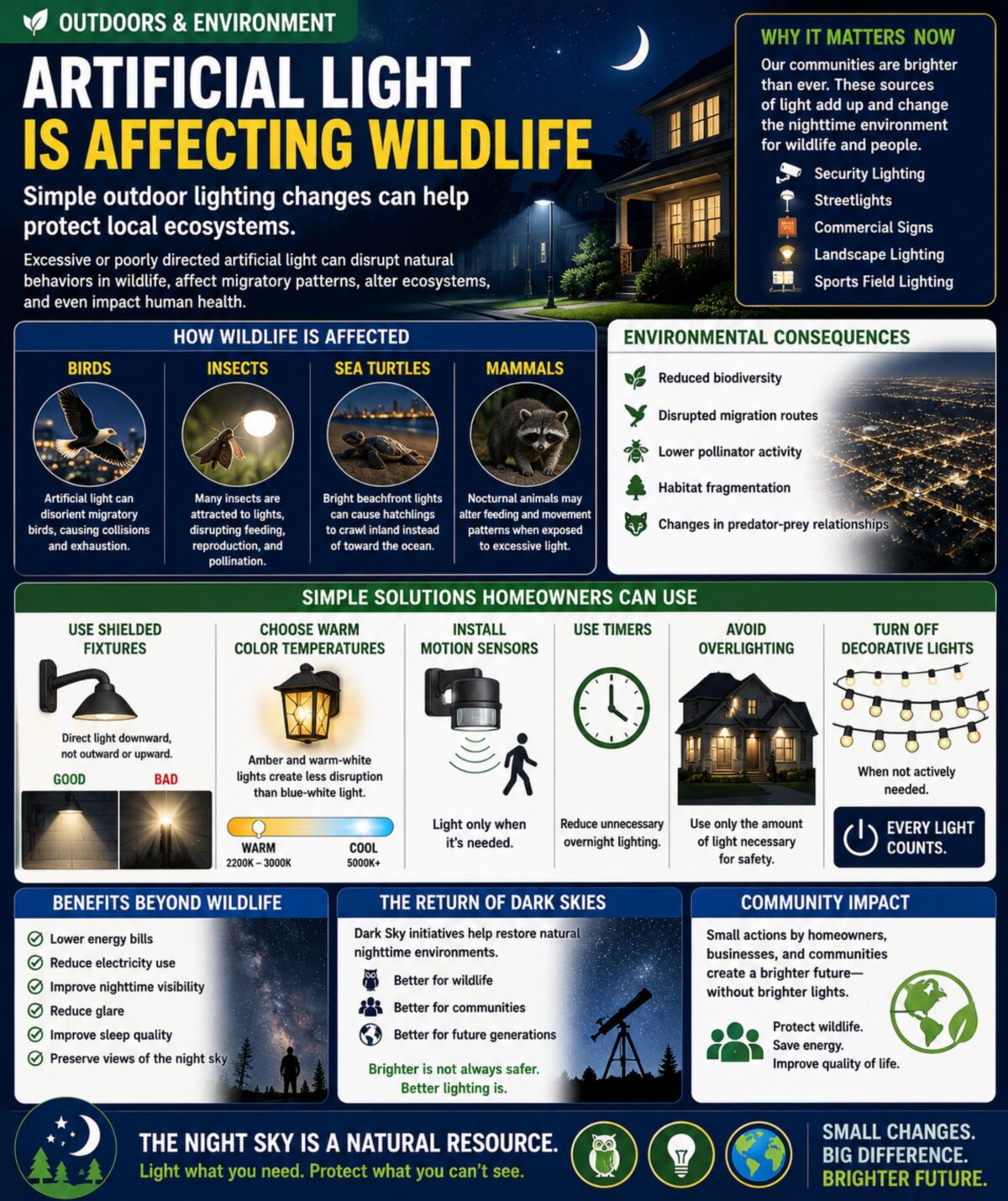
Artificial Light Is Affecting Wildlife — Simple Outdoor Lighting Changes Can Help Protect Local Ecosystems

As communities continue to grow, scientists and environmental organizations are paying closer attention to a lesser-known environmental issue: light pollution.

While outdoor lighting improves safety, visibility, and security, excessive or poorly directed artificial light can disrupt natural behaviors in wildlife, affect migratory patterns, alter ecosystems, and even impact human sleep cycles.

From bright residential floodlights to commercial signage and urban skyglow, artificial light is increasingly changing nighttime environments that many species have depended on for thousands of years.

The good news is that small adjustments to outdoor lighting can significantly reduce environmental impacts while still maintaining safety and visibility.

🌙 Why This Matters Now

Modern communities are brighter than ever.

Sources of nighttime illumination include:

* Security lighting
* Streetlights
* Parking lot lighting
* Decorative landscape lighting
* Commercial signage
* Digital billboards
* Sports field lighting

As development expands, truly dark nighttime environments are becoming increasingly rare.

Researchers are now studying how these changes affect both wildlife and human health.

🦉 How Wildlife Is Affected

Many species rely on darkness to:

* Hunt
* Navigate
* Reproduce
* Migrate
* Avoid predators

Artificial light can interfere with these natural behaviors.

Examples include:

Birds

Migratory birds often use natural nighttime cues for navigation.

Bright city lights can disorient them, causing collisions with buildings and exhaustion during migration.

Insects

Many insects are naturally attracted to light sources.

This can disrupt feeding patterns, reproduction, and pollination activities.

Sea Turtles

Young sea turtles use moonlight and natural horizons to locate the ocean.

Artificial beachfront lighting can cause hatchlings to move in the wrong direction.

Mammals

Nocturnal animals often alter feeding and movement patterns when exposed to excessive nighttime lighting.

🌎 Environmental Consequences

Light pollution may contribute to:

* Reduced biodiversity
* Disrupted migration routes
* Lower pollinator activity
* Habitat fragmentation
* Changes in predator-prey relationships

Because ecosystems are interconnected, even small disruptions can create larger environmental effects over time.

💡 Simple Solutions Homeowners Can Use

Environmental experts recommend:

Use Shielded Fixtures

Direct light downward rather than outward or upward.

Choose Warm Color Temperatures

Amber and warm-white lights generally create less disruption than bright blue-white lighting.

Install Motion Sensors

Only illuminate areas when needed.

Use Timers

Reduce unnecessary overnight lighting.

Avoid Overlighting

Use only the amount of light necessary for safety.

Turn Off Decorative Lighting

When not actively needed.

🏡 Benefits Beyond Wildlife

Reducing unnecessary lighting can also:

✔ Lower energy bills

✔ Reduce electricity consumption

✔ Improve nighttime visibility

✔ Reduce glare

✔ Improve sleep quality

✔ Preserve views of the night sky

🌌 The Return of Dark Skies

Communities worldwide are participating in “Dark Sky” initiatives designed to reduce light pollution and restore natural nighttime environments.

Residents often discover that properly designed lighting actually improves visibility by reducing glare and creating more balanced illumination.

Many people are surprised to learn that brighter does not always mean safer.

🌱 Community Impact

Small actions taken by individual homeowners, businesses, and municipalities can collectively create meaningful environmental improvements.

By making thoughtful lighting choices, communities can:

* Protect wildlife
* Save energy
* Improve quality of life
* Preserve natural ecosystems
* Maintain safer outdoor environments

🔍 Outdoors & Environment Takeaway

Darkness is an important part of nature.

Protecting nighttime environments doesn’t require turning off every light—it simply means using light more wisely.

Remember:
The night sky is a natural resource. Small lighting changes can make a big difference for wildlife, communities, and future generations.

🌙🦉💡🌎 Light what you need. Protect what you can’t see.
Categories
Outdoors and Environment

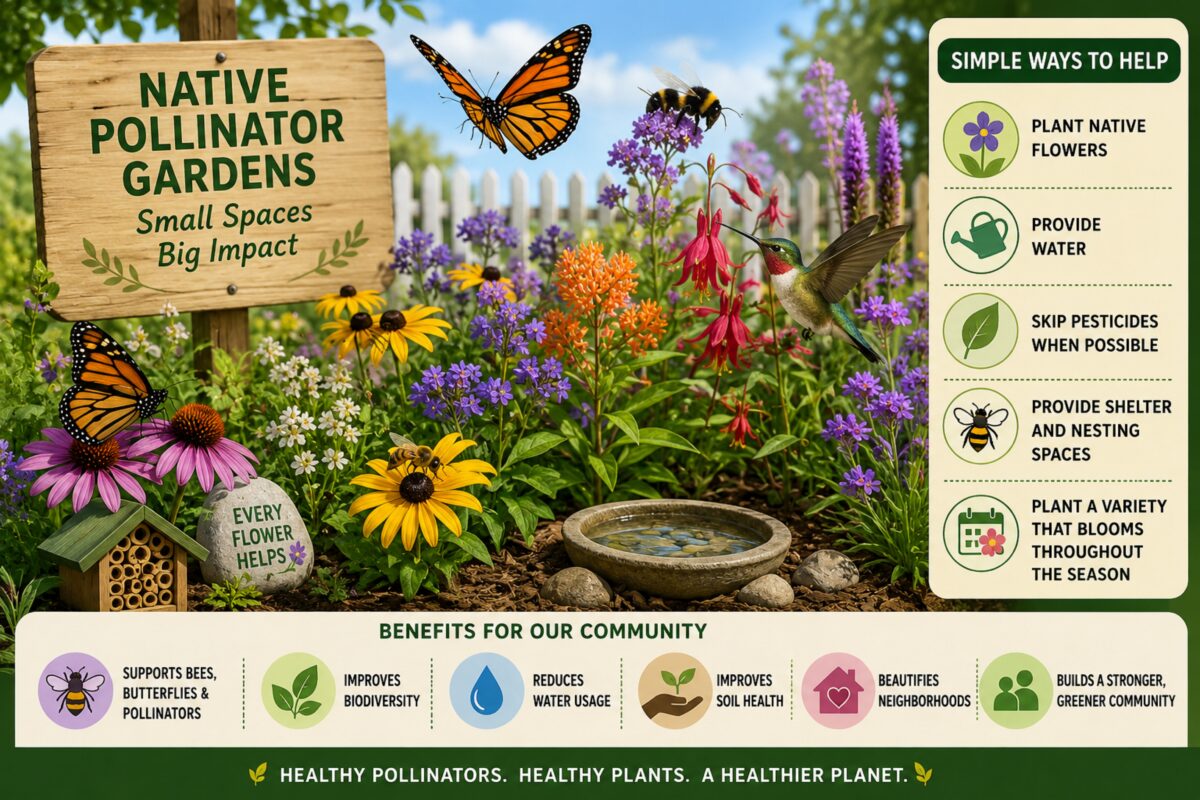
Native Pollinator Gardens Are Growing in Popularity — Small Spaces Can Have a Big Environmental Impact

Communities across the country are increasingly embracing native pollinator gardens as a simple way to support local ecosystems. Homeowners, schools, parks, businesses, and community groups are replacing portions of traditional lawns with native flowers, grasses, and plants that provide food and shelter for bees, butterflies, hummingbirds, and other important pollinators.

Pollinators play a critical role in the environment. They help fertilize plants, support food production, and contribute to healthy ecosystems. However, habitat loss, pesticide exposure, extreme weather, and urban development have placed growing pressure on many pollinator populations.

The encouraging news is that even small actions can make a meaningful difference. A pollinator-friendly garden doesn’t require acres of land. A flower bed, balcony planter, school courtyard, or community green space can become a valuable habitat resource.

🌼 Why This Matters Now

Environmental organizations and conservation groups are reporting increased interest in sustainable landscaping and biodiversity initiatives.

Communities are looking for practical ways to:

* Support local wildlife
* Improve environmental resilience
* Reduce water consumption
* Beautify neighborhoods
* Promote ecological education

Native plants are particularly valuable because they evolved alongside local pollinators and often require less maintenance, fertilizer, and irrigation than non-native ornamental species.

🐝 Benefits of Native Pollinator Gardens

Native gardens may help:

* Support bees and butterflies
* Improve biodiversity
* Strengthen local ecosystems
* Reduce water usage
* Improve soil health
* Create wildlife habitat
* Increase neighborhood beautification
* Encourage environmental stewardship

Many communities are now incorporating pollinator-friendly landscaping into parks, schools, municipal properties, and community development projects.

🦋 Pollinators Need More Than Flowers

Healthy pollinator habitats provide:

* Nectar sources
* Pollen sources
* Shelter from weather
* Nesting opportunities
* Water sources
* Diverse seasonal blooms

Plant diversity is often more important than simply planting a large number of flowers.

🌱 Simple Ways Residents Can Help

Even small actions can contribute:

* Plant native flowers
* Leave some areas less manicured
* Reduce unnecessary pesticide use
* Add a shallow water source
* Support community garden projects
* Participate in local conservation efforts
* Plant species that bloom at different times of year

Small habitats can create important environmental “stepping stones” that help pollinators move through urban and suburban areas.

🌎 Community Impact

Pollinator-friendly spaces contribute to healthier local ecosystems and create opportunities for environmental education. Schools, libraries, parks, and community organizations are increasingly using pollinator gardens as hands-on learning spaces that connect residents with nature.

These projects also encourage community involvement, beautify neighborhoods, and foster environmental awareness among future generations.

🌻 Outdoors & Environment Takeaway

You don’t need a large property to support nature.

A few native plants can provide food, shelter, and habitat for countless pollinators while making your community greener, healthier, and more resilient.

Remember:
Small gardens can create big environmental change. Every flower helps. 🐝🦋🌻🌎

Categories
Outdoors and Environment

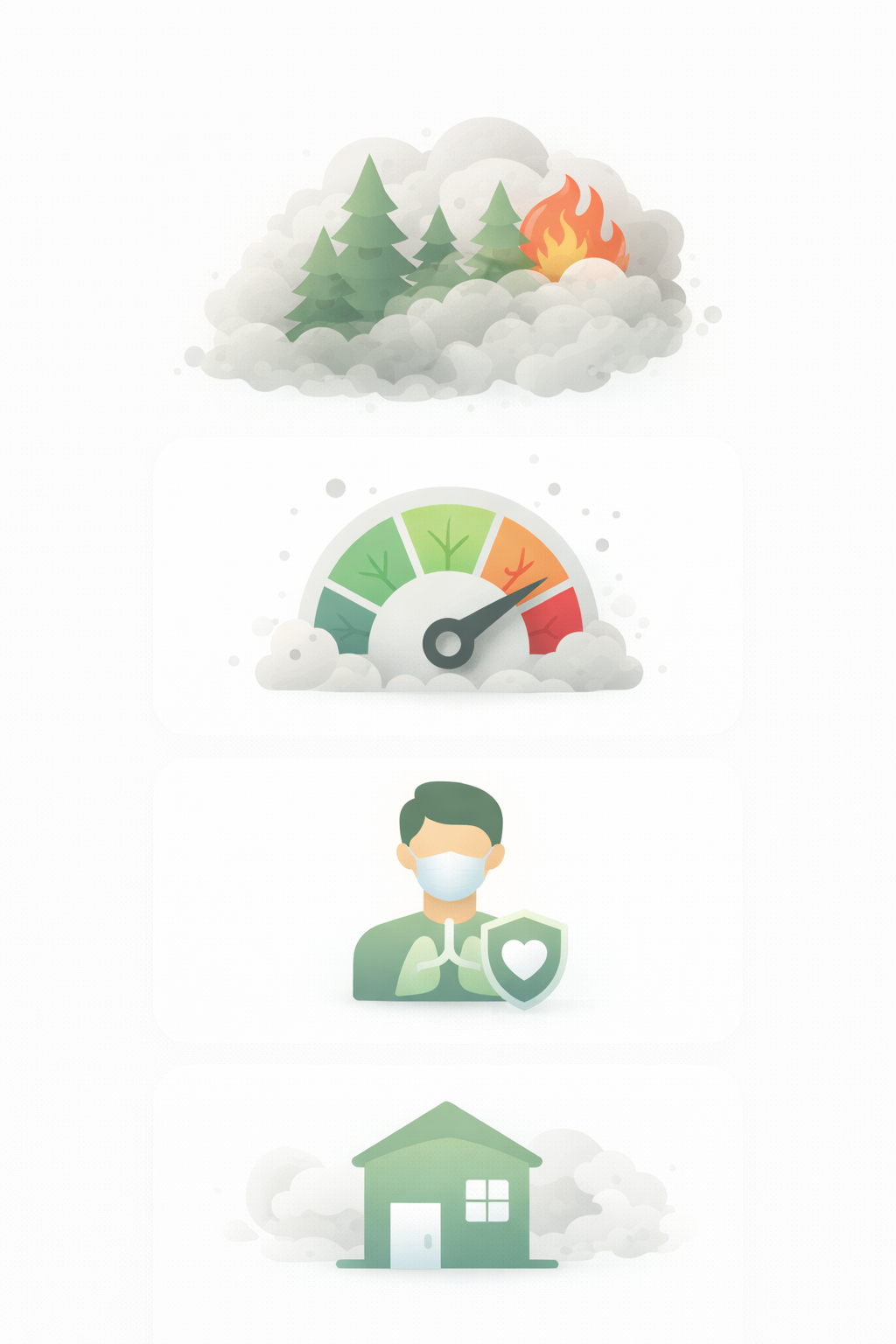
Air Quality Alerts Are Increasing Due to Wildfire Smoke

Wildfire smoke is impacting air quality across many regions, even far from active fires. When air quality alerts are issued, outdoor activities may pose health risks especially for children, seniors, and people with respiratory conditions. Monitoring daily air quality levels and adjusting outdoor plans helps reduce exposure.

Why this matters now:
Longer wildfire seasons and shifting weather patterns are causing more frequent smoke related air alerts nationwide, making air quality awareness an important outdoor safety habit.

Categories
Outdoors and Environment

Earths Coral Reefs

We are living through the fourth global coral bleaching event, affecting approximately 84% of the Earth’s coral reefs, the most extensive bleaching ever recorded. First detected in early 2023 and officially confirmed in 2025, this marine crisis spans regions from Florida to Australia and is driven by rising ocean temperatures linked to climate change. Coral reefs, vital for marine biodiversity, coastal protection, and local economies, are facing unprecedented stress.

Why it matters & what you can do:
• Understand the Impact: Coral reef ecosystems are collapsing on a massive scale, threatening marine life, fisheries, and shoreline defenses.
• Take Action:
1. Support organizations working on reef restoration and marine protection.
2. Reduce your carbon footprint (e.g., by supporting climate action efforts).
3. Avoid purchasing products linked to reef destruction (like certain sunscreens containing oxybenzone).
• Spread Awareness: Share this CLUE with diving communities, coastal residents, and conservation networks to increase visibility and drive action.

Categories
Outdoors and Environment

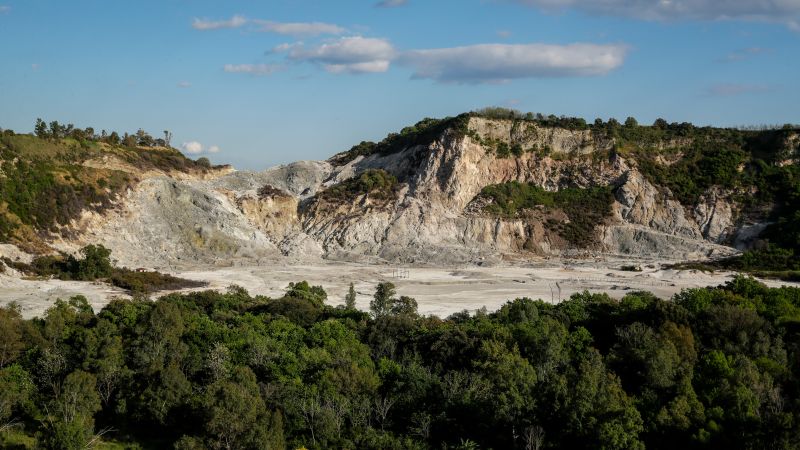
Campi Flegrei (Zombie Volcano)

The “zombie volcano” is a captivating nickname for the Campi Flegrei caldera, a massive supervolcano located just west of Naples, Italy. The name itself stems from the fact that for many years, this volcano was considered dormant or even extinct. However, in recent years, it has begun to show signs of renewed activity, essentially “coming back from the dead” and prompting a new wave of scientific concern and public attention.

Unlike a typical cone-shaped volcano, Campi Flegrei is a vast, flat caldera, with much of its structure submerged under the sea. Its location is a major point of concern, as it is situated in one of the most densely populated areas of Italy. The potential for a major eruption poses a significant threat to the more than 1.5 million people who live in the surrounding region, including the large city of Naples.

The last known eruption of Campi Flegrei occurred in 1538. Since then, the volcano has been experiencing a phenomenon known as bradyseism, where the ground slowly rises and falls as a result of magma and gas moving beneath the surface. This has led to a recent increase in seismic activity, including tremors and earthquakes, which has caused scientists to raise the volcano’s alert level. While a major eruption is not considered imminent, the signs of reawakening have triggered a close and continuous monitoring effort to assess the potential risks.

Categories
Outdoors and Environment

Fluffy Clouds

Despite their fluffy appearance, clouds are incredibly heavy. A single cumulus cloud, the common puffy type you often see on a sunny day, can weigh over a million pounds. 🤯 This is because they are made up of millions of tiny water droplets or ice crystals.

Categories
Outdoors and Environment

Celosia (Cocks Comb)

Celosia, also known as “woolflowers” or “cockscomb,” is a beautiful and unique plant that thrives in full sun. Its striking flowers come in shades of red, pink, yellow, and orange. Deadheading spent blooms will encourage more flowers and keep your plant looking its best throughout the summer. So if your looking for a plant with incredible color and texture? Meet Celosia! These cheerful plants will add a pop of fun to your garden with their fiery plumes or intricate crested flowers. Even though they tend to seem as they are flipping you off, they’re beautiful and funny. They’re super low-maintenance and will keep blooming all summer, bringing joy to your outdoor space!

Categories
Outdoors and Environment

Trees Fun Fact

Trees are natural air purifiers one mature leafy tree can absorb up to 48 pounds of carbon dioxide per year and release enough oxygen to support two people. Trees also communicate underground through a network of roots and fungi known as the ‘Wood Wide Web,’ sharing nutrients and sending warning signals about pests or droughts to neighboring trees.

Categories
Outdoors and Environment

The ocean is a hot mess 🌊

The ocean is a hot mess. No, not in a literal way, but in the sense that it’s a huge, constantly moving system of currents that transport heat from the equator to the poles. This global conveyor belt is what keeps our planet from having extreme temperatures. Without it, we’d have an even hotter equator and an even colder set of poles. 🌊

Categories
Outdoors and Environment

Deep blue sea

The “deep blue sea” is a lie! Water is actually colorless.The ocean appears blue because water absorbs red light more easily than blue light. The deeper the water, the more red light is absorbed, and the bluer it appears to us.

So, the ocean is just reflecting the sky and playing a clever optical illusion on us.