Categories
Community Alerts and Safety

Fake Parking Ticket QR Codes Are Appearing on Cars — Scammers Are Targeting Drivers Digitally

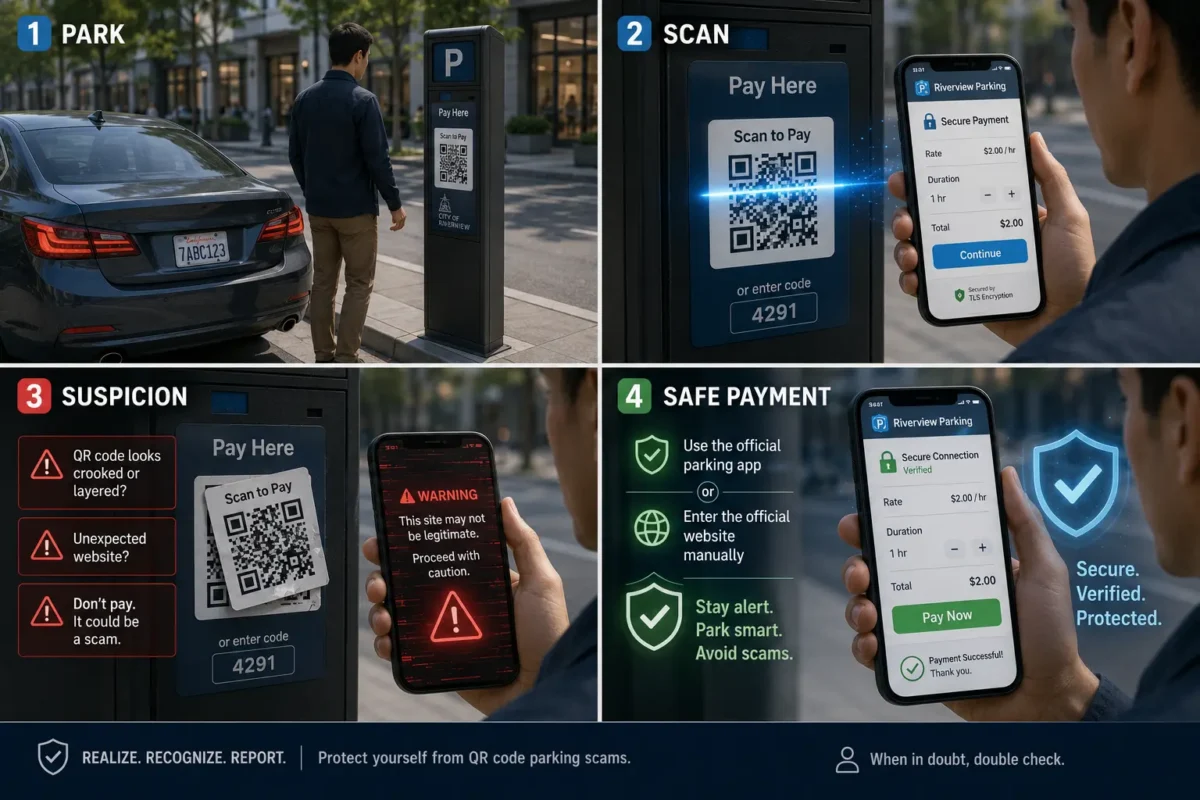
Communities in multiple cities are reporting an increase in fake parking tickets and fraudulent QR code stickers being placed on vehicles, parking meters, and public pay stations. These scams are designed to trick drivers into scanning a code that leads to a fake payment page where criminals can steal credit card information, login credentials, or personal data.

In many cases, the fake QR codes are carefully placed over legitimate payment systems, making them difficult to notice at first glance. Some scammers also leave realistic-looking “violation notices” on windshields that pressure drivers to pay immediately to avoid additional fines or towing.

Because QR code payments have become common for parking apps, transit systems, and digital receipts, many people scan without closely checking the destination link. Criminals are exploiting that trust.

🚨 Why This Matters Now
As cities continue modernizing parking systems and reducing physical kiosks, QR code payment systems are becoming more widespread. At the same time, mobile payment usage has surged, creating new opportunities for scammers to target drivers quickly and anonymously.

Large public events, downtown areas, tourist zones, transportation hubs, and college campuses are especially vulnerable because drivers are often distracted, rushed, or unfamiliar with local parking systems.

⚠️ Common Warning Signs
– QR code stickers placed unevenly or layered over another code
– Payment pages with unusual URLs or misspelled web addresses
– Requests for unnecessary personal information
– Urgent language demanding immediate payment
– Websites lacking secure payment indicators
– “Violation notices” without official city branding or contact details

🛡️ Critical Safety Guidance
– Always inspect QR codes before scanning them.
– Compare suspicious stickers to nearby official parking signs or meters.
– Use official parking apps downloaded directly from app stores whenever possible.
– Manually type the official website if unsure.
– Avoid entering payment information on unfamiliar websites opened through QR scans.
– Report suspicious stickers or fake notices to parking authorities or local law enforcement.

🏙️ Community Impact
These scams affect not only individual victims but also public trust in digital payment systems. Fraudulent parking schemes can lead to stolen financial information, unauthorized charges, and identity theft. In busy cities, a single fake QR code can target dozens or even hundreds of drivers in one day.

As communities increasingly rely on contactless payment technology, public awareness becomes one of the strongest defenses against digital fraud.

🔍 Safety Takeaway
Before you scan, pause and inspect. A quick look at a QR code or payment link can prevent financial loss and identity theft.

Categories
Community Services and Resources

Cooling & Warming Centers Are Expanding – Know Where to Go During Extreme Temperatures

Cities and counties across the country are expanding access to cooling centers in extreme heat and warming centers during severe cold to protect residents from dangerous weather conditions. These facilities – often located in libraries, community centers, schools, faith-based buildings, and senior centers – provide safe, climate-controlled spaces for individuals who lack adequate heating or air conditioning.

Extreme temperatures can pose serious health risks, including heat exhaustion, heat stroke, hypothermia, and frostbite. Vulnerable populations – such as seniors, young children, people with medical conditions, outdoor workers, and individuals experiencing homelessness – are especially at risk.

Why this matters now:
Climate variability and extreme weather events are increasing in frequency and intensity. Heat waves and cold snaps are affecting regions that historically experienced milder conditions, leaving many residents unprepared. Power outages and rising utility costs can further limit access to safe indoor temperatures.

Services Often Provided at Centers:
– Air-conditioned or heated indoor spaces
– Drinking water and basic refreshments
– Seating and rest areas
– Phone charging stations
– Access to restrooms
– Information about local assistance programs
– Transportation assistance in some areas

How to Find a Center:
– Check your city or county government website.
– Call local non-emergency services or community hotlines.
-Visit libraries, community centers, or senior centers for posted information.
– Follow official social media accounts for emergency location updates.

Practical Safety Guidance:
– Plan ahead during heat waves or cold advisories.
– Check on neighbors, especially seniors or those living alone.
– Bring necessary medications, water bottles, and identification when visiting centers.
-Use public transportation or community ride programs if available.

Community Impact:
Cooling and warming centers reduce emergency room visits, prevent weather-related deaths, and provide essential relief during extreme conditions. They also serve as hubs for connecting residents with broader social services and support networks.

Resource Takeaway:
When temperatures become dangerous, you don’t have to face it alone. Knowing where your local cooling or warming center is located can protect your health and save lives.

Categories
Community Alerts and Safety

Card Skimming Devices Are Increasing – Protect Your Payments at ATMs and Gas Pumps

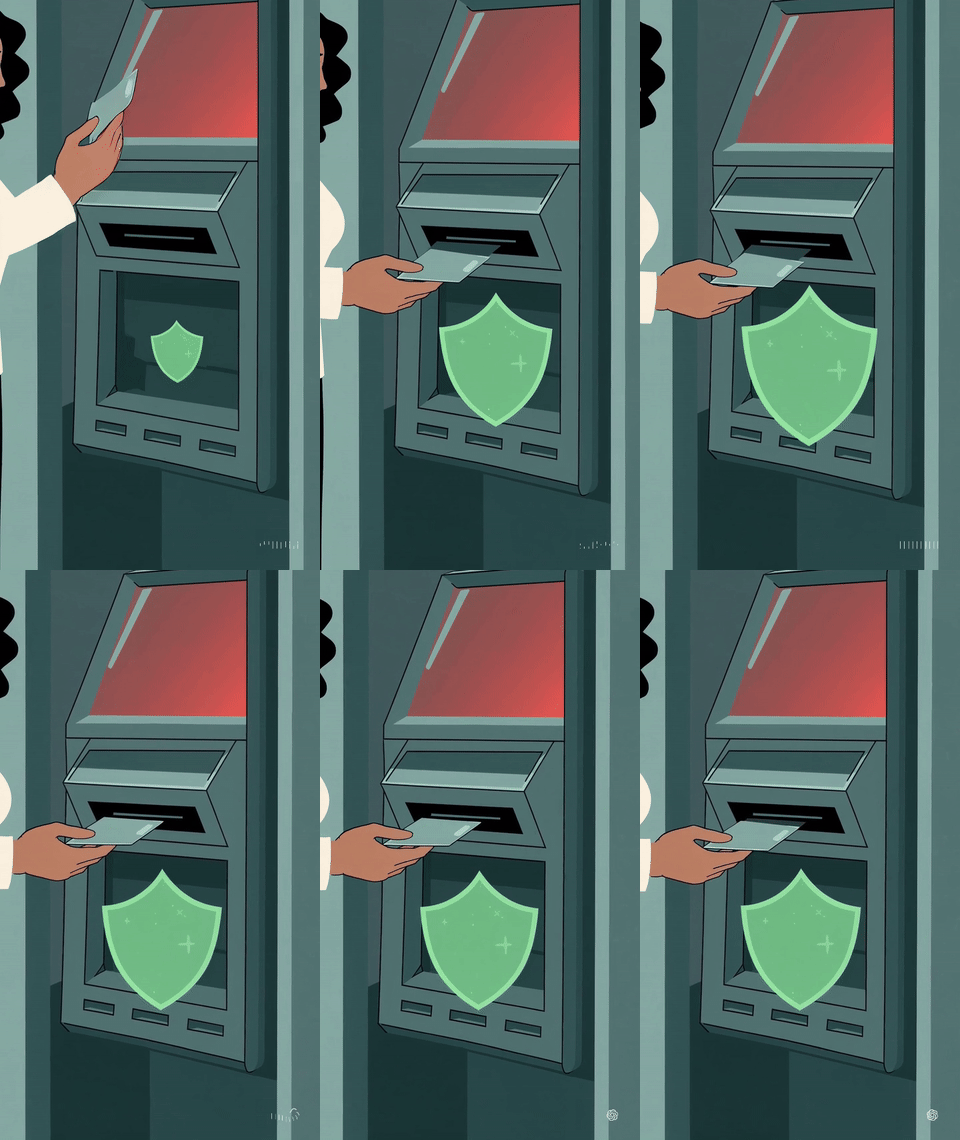
Communities are seeing a rise in card skimming and shimming devices placed on ATMs, gas pumps, parking meters, and self-checkout kiosks. These devices are designed to steal card information when you swipe or insert your card. Some are external overlays that fit over the card slot, while others are internal “shimmers” that are nearly invisible and capture data from chip cards.

Criminals often install these devices in high-traffic areas or at unattended machines. In some cases, tiny hidden cameras or fake keypad overlays are used to capture PIN numbers, allowing scammers to create duplicate cards and drain bank accounts within hours.

Why this matters now:
As more people rely on debit cards for everyday purchases and fuel costs rise, card use at gas pumps and ATMs has increased. Many older pumps still lack advanced security features, making them easy targets. Fraud cases often spike during travel seasons, holidays, and large public events.

Common Warning Signs:
– Card slot feels loose, bulky, or difficult to insert
– Keypad appears thicker than normal or hard to press
– Visible adhesive residue or mismatched colors around the reader
– Unusual attachments or misaligned components
– Machines located in poorly lit or isolated areas

Critical Safety Guidance:
– Use ATMs located inside banks or well-lit, high-traffic areas.
– Choose gas pumps closest to the building — these are less likely to be tampered with.
– Cover the keypad when entering your PIN.
– Use contactless payment or mobile wallets when available.
– Monitor bank statements regularly and set up transaction alerts.
– Report suspicious devices immediately to the business or authorities.

Community Impact:
Card skimming not only causes financial loss for individuals but also increases fraud investigations, raises banking costs, and affects local businesses. When multiple victims are targeted in one area, it can indicate organized criminal activity within the community.

Safety Takeaway:
Before you swipe or insert your card, take a second to look and touch. If something feels off, it probably is. Choosing safer machines and payment methods can prevent major financial loss.

Categories
Life Hacks

Auto-Renewal Traps Are Increasing – Turn Off Renewal Before Free Trials End

Many apps, streaming services, fitness programs, and AI tools now offer free trials that automatically convert into paid subscriptions if not canceled in time. With more digital services competing for attention, consumers are signing up for multiple trials and forgetting to cancel — resulting in unexpected charges.

A simple life hack gaining popularity: turn off auto-renewal immediately after starting a free trial. You still keep access for the full trial period, but you eliminate the risk of being charged if you forget to cancel.

Why this matters now:
Subscription-based services are expanding rapidly across entertainment, productivity, health, and AI platforms. Companies rely on auto-renewal to retain customers, knowing many users overlook cancellation deadlines. As prices increase and billing cycles shorten, even one forgotten trial can lead to recurring monthly charges.

How the Hack Works:
– Start the free trial as usual.
– Immediately go into account or subscription settings.
– Turn off auto-renew or cancel the subscription.
– Continue using the trial until it expires without being charged.

Benefits:
– Prevents surprise charges
– Reduces subscription creep
– Encourages intentional spending
– Saves money without changing habits
– Gives you full control over digital services

Extra Tips:
– Take a screenshot of the trial end date for reference.
– Use calendar reminders labeled “Trial Ends Tomorrow.”
– Review active subscriptions monthly for unused services.

Real-World Impact:
With the average household managing multiple digital subscriptions, this simple habit can save hundreds of dollars per year. It also reduces financial stress and eliminates the frustration of disputing unwanted charges.

Life Hack Takeaway:
Enjoy the free trial – just disable auto-renew on day one. Control the subscription before it controls your wallet.

Categories
Community Alerts and Safety

Fake Charity Scams Surge After Disasters – Verify Before You Donate

Following natural disasters, emergencies, and major community crises, fraudulent charity campaigns often emerge within hours. Scammers create fake donation pages, impersonate legitimate nonprofits, and spread emotional appeals through social media, text messages, and email. These scams exploit generosity during moments when communities are most eager to help.

Fraudsters frequently use stolen photos, copied logos, and urgent messaging to appear credible. They may claim to support disaster victims, injured first responders, displaced families, or rebuilding efforts. Donations are often requested through peer-to-peer payment apps, cryptocurrency, wire transfers, or unofficial links that bypass legitimate charity platforms.

Why this matters now:
With extreme weather events, global crises, and local emergencies becoming more frequent, communities are seeing a rapid rise in online fundraising campaigns. While many are legitimate, the speed and emotional nature of disaster response create ideal conditions for scams to spread before they can be verified.

Common Red Flags:
– Donation requests that pressure immediate action
– Links that do not match official charity websites
– Requests for payment via gift cards, crypto, or direct transfer
– Social media accounts with little history or recent creation dates
– Poor spelling, inconsistent branding, or copied images
– Claims that funds cannot be traced or receipts will not be provided

Critical Safety Guidance:
– Donate directly through verified nonprofit websites rather than third-party links.
– Confirm charities using trusted resources such as official registries or watchdog organizations.
– Be cautious of emotional appeals that demand urgent action without verifiable details.
– Avoid sharing unverified donation campaigns, even if they appear well-intentioned.
– Report suspected fraud to consumer protection agencies or platform moderators.

Community Impact:
Fake charity scams divert funds away from real victims and relief efforts, undermining trust and slowing recovery. When communities lose confidence in donation campaigns, legitimate aid organizations may struggle to receive the support they need.

Safety Takeaway:
Generosity should never be rushed. Verify before you donate — ensuring your help reaches those who truly need it.

Categories
Community Alerts and Safety

Street Racing & Reckless Driving Incidents Are Rising – Community Safety at Risk

Many communities are reporting an increase in street racing, stunt driving, and reckless speeding, particularly during late-night hours and weekends. These activities often occur on wide streets, industrial zones, highways, and even residential areas where drivers exploit low traffic and open road conditions.

Street racing is not just a nuisance — it poses serious risks to pedestrians, cyclists, residents, and other motorists. High speeds, sudden lane changes, blocked intersections, and spectators gathering near roadways create unpredictable and dangerous conditions. In residential neighborhoods, the noise alone can disrupt sleep, increase stress, and reduce quality of life for families and seniors.

Why this matters now:
Warmer weather, social media coordination, and modified vehicles have contributed to a resurgence of organized and spontaneous racing events. Some participants share locations in real time, drawing crowds and increasing risks for entire neighborhoods.

Common Warning Signs:
– Groups of vehicles gathering late at night in parking lots or wide intersections
– Revving engines, tire squeals, or loud exhaust noises
– Spectators standing near roadways with phones recording
– Vehicles blocking intersections to create makeshift race lanes
– Sudden bursts of high-speed traffic in otherwise quiet areas

Safety Risks to the Community:
– Increased likelihood of crashes and pedestrian injuries
– Delayed emergency response due to blocked roads
– Property damage from loss of vehicle control
– Elevated stress and sleep disruption for residents
– Potential for violence or confrontations in crowded race gatherings

Practical Safety Guidance:
– Avoid approaching or filming street racing events – crowds can quickly become unsafe.
– Report dangerous driving activity to local non-emergency lines when safe to do so.
– Teach teens and young drivers about the legal and life-threatening consequences of racing.
– Advocate for traffic calming measures such as speed humps, signage, and increased lighting.
– Stay alert when driving at night, especially near industrial zones or wide intersections.

Community Impact:
Street racing incidents strain law enforcement resources, endanger first responders, and create lasting safety concerns for neighborhoods. Preventing harm requires awareness, responsible reporting, and community cooperation.

Safety Takeaway:
Reckless driving isn’t entertainment – it’s a community hazard. Staying aware and avoiding high-risk areas helps protect lives.

Categories
Community Alerts and Safety

Utility Imposter Scams Are Increasing – Fraudsters Pose as Workers to Access Homes

Communities across the country are reporting a rise in utility imposter scams, where individuals pose as employees from electric, gas, water, cable, or internet companies to gain access to homes. These scammers often wear high-visibility vests, carry clipboards, or display fake badges to appear legitimate. They may claim they need to check meters, inspect wiring, test water quality, or fix an urgent service issue.

Once inside, imposters may steal valuables, gather personal information, or assess the home for future burglary. In some cases, they work in teams – one person distracts the resident while another searches the home.

Why this matters now:
Increased infrastructure upgrades, smart meter installations, seasonal service checks, and storm recovery work have made utility workers more common in neighborhoods. Scammers exploit this familiarity and the natural trust residents place in service personnel.

Common Warning Signs:
– Unscheduled visits without prior notification
– Requests to enter your home immediately for “urgent” issues
– Lack of official photo identification or reluctance to show credentials
– Vehicles without company logos or marked identification
– Requests for payment on the spot, especially in cash or gift cards
– Pressure tactics or refusal to allow you time to verify their identity

Critical Safety Guidance:
– Do not allow entry without verifying the worker through the official utility company number.
– Ask for identification and confirm service appointments in advance.
– Keep doors locked and speak through a doorbell camera, window, or intercom when possible.
– Never provide personal or financial information to unsolicited visitors.
– Report suspicious activity to local authorities or your utility provider.

Community Impact:
These scams target seniors, new homeowners, and residents in areas with frequent infrastructure work. Beyond theft, imposters may gather information about security systems, occupancy patterns, and vulnerabilities that can lead to future crimes.

Safety Takeaway:
Legitimate utility workers will never pressure you for immediate access or payment. When in doubt, verify first – your safety is more important than urgency.

Categories
Community Alerts and Safety

Unattended Package Thefts Are Increasing – Porch Piracy Surges During Peak Delivery Seasons

Communities nationwide are seeing a rise in porch piracy – the theft of packages left unattended at homes and apartment buildings. With online shopping continuing to grow and delivery frequency increasing, more packages are being left at doorsteps for extended periods, especially during holidays, sales events, and high-demand shipping seasons.

Thieves often follow delivery vehicles, monitor neighborhoods, or scan apartment complexes for visible boxes. Many thefts occur within minutes of delivery — sometimes before homeowners even receive notification alerts.

Why this matters now:
The shift toward remote work, food delivery, subscription boxes, and same-day shipping has dramatically increased doorstep drop-offs. Combined with rising retail costs and high-demand products, packages are becoming attractive targets.

Common Risk Factors:
– Packages left in visible locations
– Deliveries scheduled while residents are at work
– Apartment complexes with open-access entryways
– No doorbell cameras or notification systems
– Delayed pickup from mailrooms or front desks

Practical Safety Guidance:
– Use delivery tracking alerts and retrieve packages promptly.
– Request signature confirmation for high-value items.
– Schedule deliveries for times when someone is home.
– Use secure lockers, pickup hubs, or alternate delivery locations.
– Install doorbell cameras or visible surveillance signage.
– Ask trusted neighbors to collect packages if you are away.

Community Impact:
Package theft not only affects individuals but also burdens local law enforcement and increases insurance claims. In apartment complexes and dense neighborhoods, coordinated theft can impact dozens of residents in a short period.

Safety Takeaway:
If you’re expecting a package, plan for it. Visibility and timing matter. A small adjustment in delivery habits can prevent costly losses.

Categories
Community Alerts and Safety

AI Voice-Cloning Scams Are Increasing – “Emergency Calls” May Not Be Real

Law enforcement agencies are reporting a rise in AI-generated voice cloning scams, where criminals use artificial intelligence to mimic the voice of a loved one. Victims receive urgent phone calls claiming a family member has been in an accident, arrested, kidnapped, or stranded and needs immediate financial help. The voice sounds real, emotional, and convincing — because it is generated using publicly available audio from social media videos, voicemails, or online content.

These scams are especially dangerous because they target fear and urgency. The caller often pressures the victim not to hang up, not to contact other family members, and to send money through wire transfers, gift cards, or cryptocurrency.

Why this matters now:
AI voice tools have become more accessible and realistic, requiring only a short audio sample to replicate someone’s speech pattern. As more people share voice recordings online through videos, podcasts, and social platforms, scammers have more material to exploit.

Common Red Flags:
– The caller demands immediate payment.
– They insist you stay on the phone and not contact anyone else.
– Payment is requested via gift cards, wire transfer, or crypto.
– The story involves secrecy (“Don’t tell mom/dad.”).
– The number appears unfamiliar or spoofed.

Critical Safety Guidance:
– Hang up immediately and contact the person directly using a known number.
– Establish a family safe word – something only close contacts would know.
– Do not send money or share financial details without verifying independently.
– Slow down. Scammers rely on panic.
– Report suspicious calls to local authorities or consumer protection agencies.

Community Impact:
These scams are targeting seniors, parents, and families across communities. Financial losses can be devastating, and emotional distress can be significant. Awareness is the strongest defense.

Safety Takeaway:
If a call creates panic and demands immediate money, pause. Verify first. AI can copy a voice – but it can’t replace verification.

Categories
Community Alerts and Safety

Lithium-Ion Battery Fires Are Increasing – E-Bikes, Scooters, and Power Banks Pose Growing Risks

Fire departments across the country are reporting a sharp increase in lithium-ion battery fires, particularly involving e-bikes, electric scooters, hoverboards, power banks, and aftermarket replacement batteries. These fires can ignite suddenly, burn extremely hot, and spread rapidly — sometimes within seconds — making them especially dangerous inside homes and apartment buildings.

Unlike traditional fires, lithium-ion battery fires can reignite even after being extinguished, release toxic smoke, and are difficult to control without specialized equipment. Many incidents occur while devices are charging overnight or when using cheap, incompatible, or damaged chargers.

Why this matters now:
As electric mobility devices and portable power storage become more common, especially in urban areas and multi-family housing, the number of battery-related fires has increased. Cold weather, heavy daily commuting, and indoor charging habits add to the risk.

Common Risk Factors:

– Charging devices overnight or unattended
– Using third-party or off-brand chargers
– Damaged, swollen, or overheating batteries
– Charging near flammable materials
– Blocking exits with charging devices

Critical Safety Guidance:
– Only use manufacturer-approved chargers and batteries
– Avoid charging devices on beds, couches, or near curtains
– Do not charge devices near exits or escape routes
– Stop using batteries that feel hot, swell, leak, or smell unusual
– Install working smoke detectors in charging areas
– Never attempt to extinguish a lithium battery fire with water

Community Impact:
These fires are responsible for increasing residential fire calls, property damage, and injuries. In apartment complexes and dense housing areas, a single battery fire can affect dozens of residents within minutes.

Safety Takeaway:
Charge smart. Use certified equipment. Never ignore warning signs. A small device can create a big emergency if handled improperly.