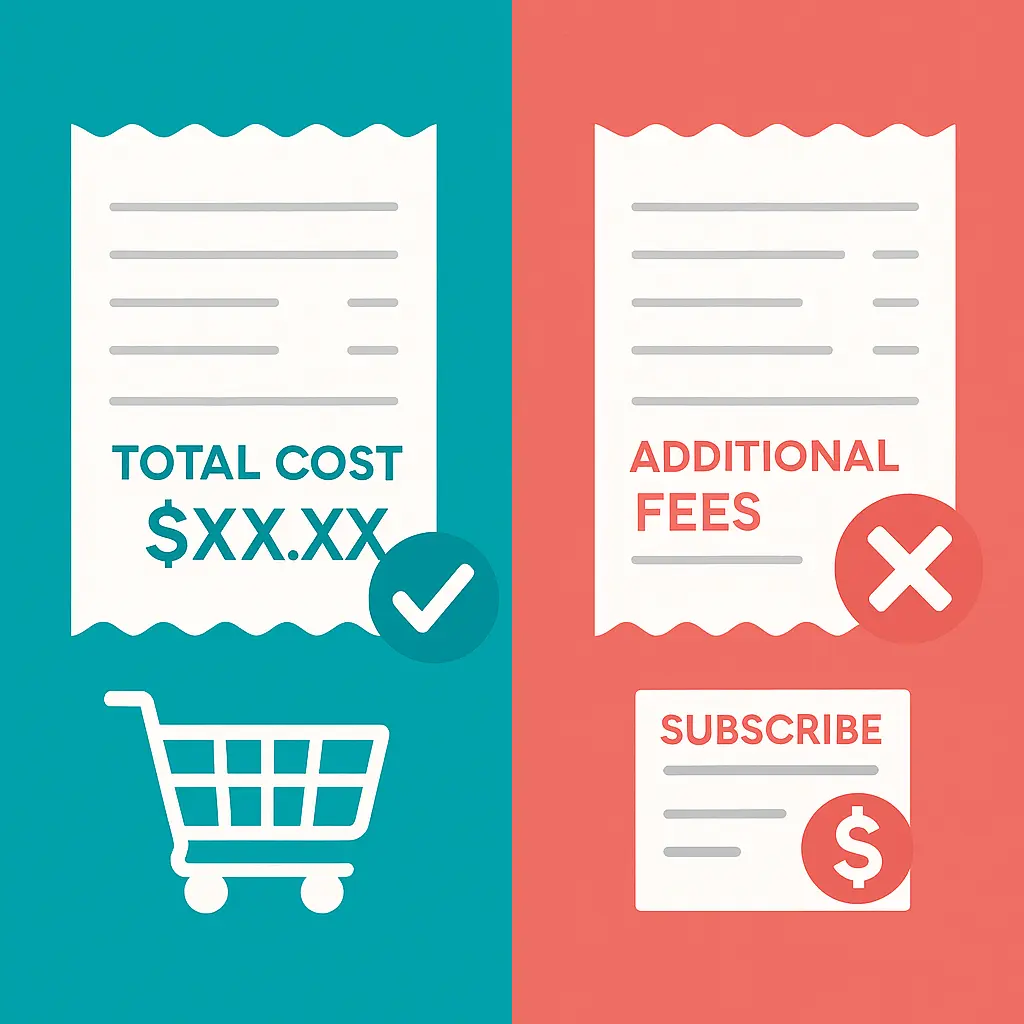

Consumer protection agencies continue receiving complaints from individuals who signed up for what appeared to be a free trial, only to discover recurring charges appearing on their bank statements weeks or months later.
From streaming services and fitness apps to AI tools, meal programs, wellness subscriptions, software platforms, and online memberships, businesses increasingly use free trials as a way to introduce consumers to products and services.
While many companies operate legally and clearly disclose their terms, consumer advocates warn that some subscription offers use confusing language, difficult cancellation processes, or automatic renewals that consumers may overlook during signup.
As subscription-based services continue expanding across nearly every industry, understanding your rights as a consumer has become increasingly important.
⚖️ Why This Matters Now
Many consumers currently manage:
* Streaming services
* Music subscriptions
* Cloud storage plans
* AI platforms
* Fitness memberships
* Meal delivery services
* Shopping memberships
* Software subscriptions
* Digital publications
Because recurring charges are often relatively small, they can continue unnoticed for long periods of time.
A single forgotten subscription may cost hundreds of dollars annually.
🚨 Common Consumer Complaints
Hidden Auto-Renewals
Consumers believe they are signing up for a one-time trial but unknowingly authorize recurring billing.
Difficult Cancellation Processes
Some users report:
* Multiple cancellation steps
* Confusing account menus
* Customer service requirements
* Limited cancellation windows
Trial Period Confusion
Consumers sometimes misunderstand:
* Trial expiration dates
* Billing start dates
* Renewal schedules
Multiple Subscription Layers
Some services offer:
* Basic plans
* Premium plans
* Add-on services
Consumers may not realize multiple subscriptions have been activated.
🔍 Before Starting A Free Trial
Take a few moments to verify:
✔ Trial length
✔ Renewal date
✔ Monthly cost after trial
✔ Cancellation method
✔ Billing frequency
✔ Refund policies
Reading the details upfront can help prevent future surprises.
📅 Helpful Consumer Protection Tips
Set A Reminder
Create a calendar alert several days before the trial ends.
This allows time to evaluate whether the service remains worthwhile.
Save Confirmation Emails
Keep:
* Signup confirmations
* Terms and conditions
* Billing notices
* Cancellation confirmations
These records may help resolve future disputes.
Monitor Bank Statements
Review statements regularly for:
* Unknown subscriptions
* Duplicate charges
* Unexpected renewals
Small recurring charges are often overlooked.
Use Account Dashboards
Many services provide subscription management tools that allow users to:
* View active subscriptions
* Update payment methods
* Cancel renewals
* Review billing history
⚠️ Warning Signs
Exercise caution if:
❌ Pricing information is difficult to locate.
❌ Cancellation instructions are unclear.
❌ The company avoids disclosing renewal costs.
❌ Customer support is difficult to contact.
❌ Charges appear before the trial ends.
These situations deserve closer review.
🛡️ Your Consumer Rights
Depending on your location, consumer protection laws may require businesses to:
* Clearly disclose recurring charges
* Explain billing practices
* Provide cancellation options
* Honor applicable refund policies
Consumer protection agencies often investigate deceptive subscription practices.
📞 If You Notice An Unexpected Charge
Take action quickly:
1. Review the subscription details.
2. Contact the company directly.
3. Save all communications.
4. Request clarification or cancellation.
5. Contact your financial institution if necessary.
The sooner an issue is identified, the easier it may be to resolve.
🌎 Community Impact
Subscription services offer convenience and value for millions of consumers.
However, increased awareness helps individuals make informed financial decisions and avoid unnecessary expenses.
Small recurring charges can significantly impact household budgets over time.
🎯 Consumer Rights Takeaway
A free trial is only free if you understand what happens next.
Before clicking “Start Free Trial,” take a moment to understand the terms, set a reminder, and know how to cancel if needed.
Remember:
Read before you agree. Review before you renew.
⚖️💳🔍📅 Your attention today can prevent unwanted charges tomorrow.