
🚫 Please Log in to Access Your CLUE-CLUB Dashboard.
Top Clues
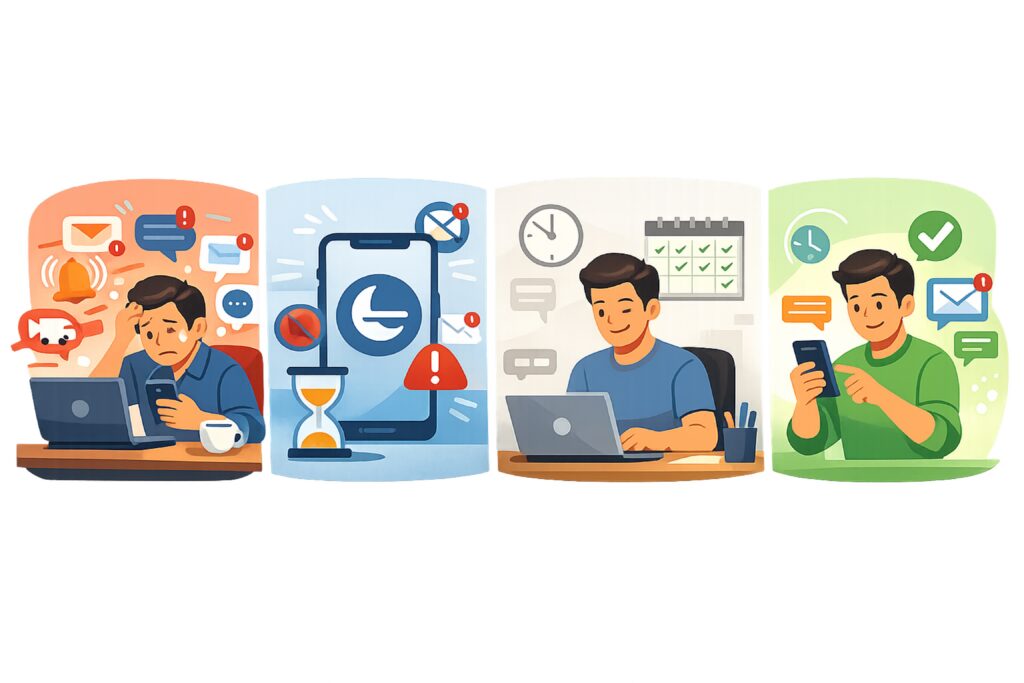
Notification Fatigue Is Reducing Focus — Experts Recommend “Batch Checking” Instead of Constant Monitoring
WI-FI Tech Fix
To fix the common Wi-Fi disconnect issue on the latest iOS update, go to Settings → Wi-Fi → Forget Network → Reconnect and toggle Low Data Mode off. This resolves 80% of reported cases
Berries & Digestion
Looking for an easy way to boost your health? Look no further than berries!
Adding a handful of these delicious fruits to your daily routine can make a big difference. Berries like blueberries, raspberries, and strawberries are packed with powerful antioxidants that help protect your body from cell damage.
They can help lower bad cholesterol and reduce blood pressure. Their nutrients are linked to improved memory and a slower rate of cognitive decline. Berries are high in fiber, which is essential for a healthy gut.
So next time you’re at the store, grab a carton of mixed berries. Add them to your yogurt, oatmeal, or just snack on them plain. Your body will thank you!
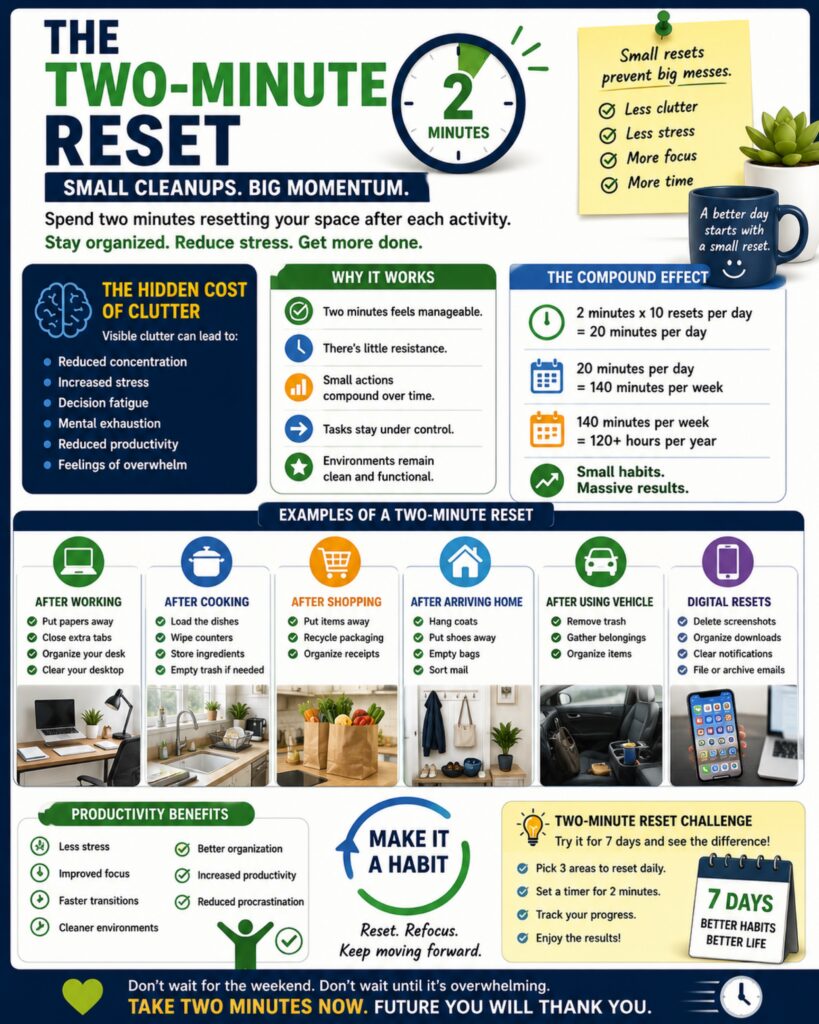
The “Two-Minute Reset” Is Becoming a Popular Productivity Habit — Small Cleanups Create Big Momentu
Productivity experts, organizers, and workplace coaches are increasingly recommending a simple habit known as the Two-Minute Reset.
The concept is straightforward:
Whenever you finish an activity, spend two minutes restoring the space before moving on to the next task.
Instead of allowing clutter, unfinished items, and distractions to accumulate throughout the day, small resets keep environments organized and reduce mental overload.
Many people underestimate how much visual clutter affects focus, stress levels, and productivity.
A desk covered with paperwork, a kitchen filled with dishes, an overflowing inbox, or a vehicle full of miscellaneous items can create a constant background reminder of unfinished work.
The Two-Minute Reset prevents these small problems from becoming large ones.
⏰ Why This Matters Now
Modern life is busier than ever.
People often move rapidly between:
* Work tasks
* Meetings
* Emails
* Household chores
* Social activities
* Parenting responsibilities
* Personal projects
Because we’re constantly switching activities, small messes and unfinished tasks tend to accumulate faster than we realize.
By the end of the day, many people feel overwhelmed—not because of one major problem—but because of dozens of small unfinished ones.
🧠 The Hidden Mental Cost of Clutter
Researchers have found that visible clutter can contribute to:
* Reduced concentration
* Increased stress
* Decision fatigue
* Mental exhaustion
* Reduced productivity
* Feelings of overwhelm
Even when you’re not actively thinking about the clutter, your brain is still processing it.
A cleaner environment often supports clearer thinking.
🏠 Examples of a Two-Minute Reset
After Working
* Put papers away
* Close unnecessary tabs
* Organize your workspace
* Clear your desktop
After Cooking
* Load dishes
* Wipe counters
* Store ingredients
* Empty trash if needed
After Shopping
* Put items away immediately
* Recycle packaging
* Organize receipts
After Arriving Home
* Hang coats
* Put shoes away
* Empty bags
* Sort mail
After Using Your Vehicle
* Remove trash
* Gather belongings
* Organize items before leaving
📱 Digital Resets Matter Too
The same principle applies digitally.
Spend two minutes:
* Deleting unnecessary screenshots
* Organizing downloads
* Clearing notifications
* Filing documents
* Archiving emails
Digital clutter can become just as overwhelming as physical clutter.
🚀 Why It Works
The habit succeeds because:
* Two minutes feels manageable.
* There’s little resistance.
* Small actions compound over time.
* Tasks stay under control.
* Environments remain functional.
The goal isn’t perfection.
The goal is preventing small problems from becoming large ones.
💡 Productivity Benefits
People who consistently perform small resets often report:
✔ Less stress
✔ Improved focus
✔ Faster task transitions
✔ Cleaner environments
✔ Better organization
✔ Increased productivity
✔ Reduced procrastination
🔄 The Compound Effect
Two minutes may not sound significant.
But:
* 2 minutes × 10 resets per day = 20 minutes
* 20 minutes per day = 140 minutes per week
* 140 minutes per week = over 120 hours annually
Small habits create powerful long-term results.
🎯 Productivity Takeaway
Don’t wait for a massive cleaning session.
Don’t wait for the weekend.
Don’t wait until things become overwhelming.
Take two minutes now.
Future you will thank you.
Remember:
Small resets create big momentum. A cleaner space often leads to a clearer mind. ⏰🧹💡📈
The ocean is a hot mess 🌊
The ocean is a hot mess. No, not in a literal way, but in the sense that it’s a huge, constantly moving system of currents that transport heat from the equator to the poles. This global conveyor belt is what keeps our planet from having extreme temperatures. Without it, we’d have an even hotter equator and an even colder set of poles. 🌊
Software Updates Are Causing App Crashes — Restart Fixes Most Issues
After recent operating system and app updates, many users are experiencing app crashes, freezes, or slow performance. A simple but often overlooked fix: restart your device after updates. Restarting clears temporary conflicts, resets background processes, and resolves many post-update glitches without deeper troubleshooting.
Frequent OS updates, security patches, and AI-powered features are rolling out faster than ever. Restarting after updates helps prevent lingering bugs and performance issues.
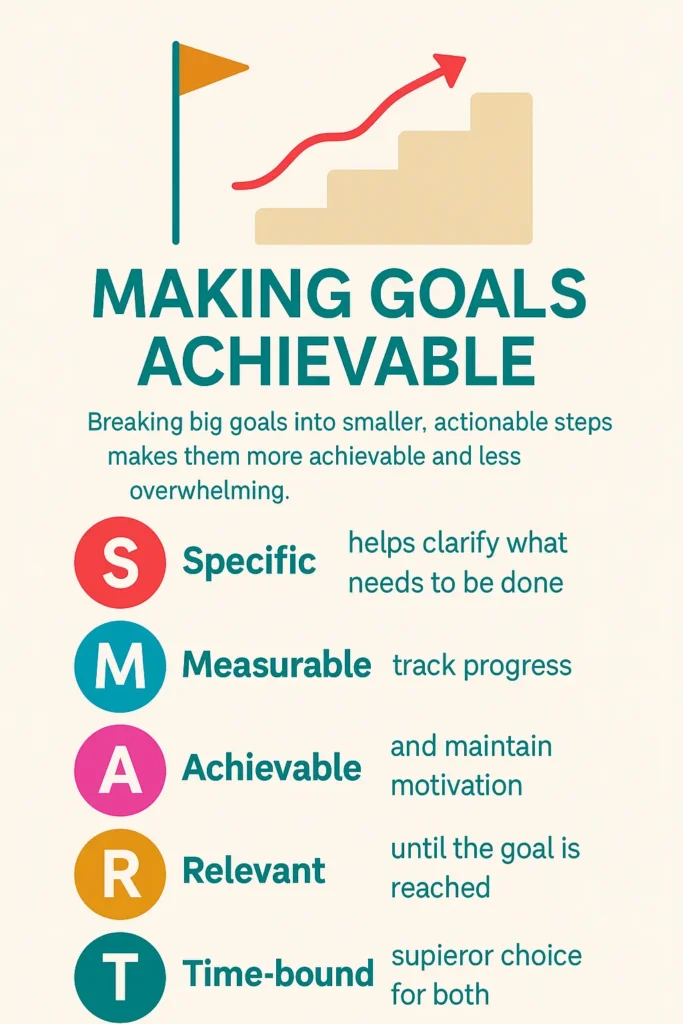
S.M.A.R.T.
Breaking big goals into smaller, actionable steps makes them more achievable and less overwhelming. Using the SMART method Specific, Measurable, Achievable, Relevant, and Time bound helps clarify what needs to be done, track progress, and maintain motivation until the goal is reached.

Developing A Growth Mindset
Developing a growth mindset the belief that abilities and intelligence can be improved through effort, learning, and persistence benefits learners of all ages. Embracing challenges, learning from mistakes, and seeking feedback not only improve academic performance but also build resilience and problem-solving skills that last a lifetime.
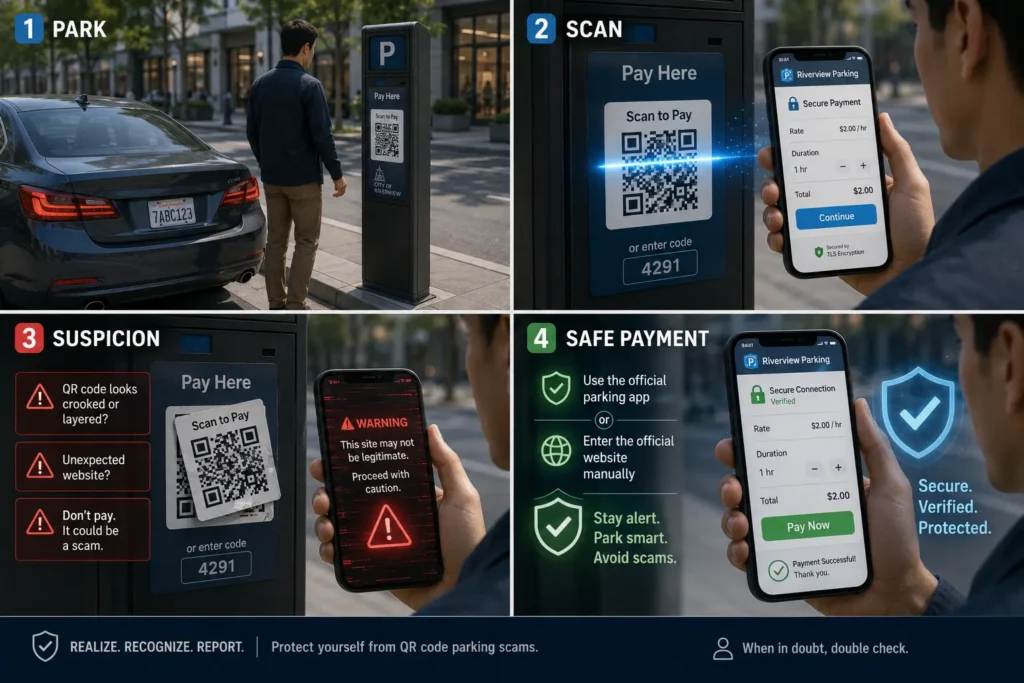
Fake Parking Ticket QR Codes Are Appearing on Cars — Scammers Are Targeting Drivers Digitally
Communities in multiple cities are reporting an increase in fake parking tickets and fraudulent QR code stickers being placed on vehicles, parking meters, and public pay stations. These scams are designed to trick drivers into scanning a code that leads to a fake payment page where criminals can steal credit card information, login credentials, or personal data.
In many cases, the fake QR codes are carefully placed over legitimate payment systems, making them difficult to notice at first glance. Some scammers also leave realistic-looking “violation notices” on windshields that pressure drivers to pay immediately to avoid additional fines or towing.
Because QR code payments have become common for parking apps, transit systems, and digital receipts, many people scan without closely checking the destination link. Criminals are exploiting that trust.
🚨 Why This Matters Now
As cities continue modernizing parking systems and reducing physical kiosks, QR code payment systems are becoming more widespread. At the same time, mobile payment usage has surged, creating new opportunities for scammers to target drivers quickly and anonymously.
Large public events, downtown areas, tourist zones, transportation hubs, and college campuses are especially vulnerable because drivers are often distracted, rushed, or unfamiliar with local parking systems.
⚠️ Common Warning Signs
– QR code stickers placed unevenly or layered over another code
– Payment pages with unusual URLs or misspelled web addresses
– Requests for unnecessary personal information
– Urgent language demanding immediate payment
– Websites lacking secure payment indicators
– “Violation notices” without official city branding or contact details
🛡️ Critical Safety Guidance
– Always inspect QR codes before scanning them.
– Compare suspicious stickers to nearby official parking signs or meters.
– Use official parking apps downloaded directly from app stores whenever possible.
– Manually type the official website if unsure.
– Avoid entering payment information on unfamiliar websites opened through QR scans.
– Report suspicious stickers or fake notices to parking authorities or local law enforcement.
🏙️ Community Impact
These scams affect not only individual victims but also public trust in digital payment systems. Fraudulent parking schemes can lead to stolen financial information, unauthorized charges, and identity theft. In busy cities, a single fake QR code can target dozens or even hundreds of drivers in one day.
As communities increasingly rely on contactless payment technology, public awareness becomes one of the strongest defenses against digital fraud.
🔍 Safety Takeaway
Before you scan, pause and inspect. A quick look at a QR code or payment link can prevent financial loss and identity theft.

Hoax ’Swatting’ Calls
In August 2025, colleges nationwide faced a troubling surge of hoax ‘swatting’ calls, a wave of false active shooter alerts triggered mass panic and lockdowns at universities including Villanova, Arkansas, and the University of Colorado Boulder. These dangerous prank calls, often with chilling details like fake gunfire, escalated emergency responses and caused lasting psychological stress, highlighting the urgent need for improved campus alert systems and public awareness.
A Lifeline in Your Pocket 💪🏼 ♥️
The 988 Suicide & Crisis Lifeline: A Lifeline in Your Pocket
When you or someone you know is going through a tough time, help is available around the clock.
The 988 Suicide & Crisis Lifeline offers free, confidential support 24/7.
You don’t have to be in a life-threatening situation to reach out. If you’re feeling overwhelmed, distressed, or just need to talk, they’re there to listen.
The best part? You can connect with a trained counselor in the way that feels most comfortable for you
You can call or even text now 988
Also, Chat online at 988lifeline.org
The service is also for those who are worried about a loved one and aren’t sure what to do.
Having this number saved in your phone is a small but powerful step toward ensuring help is always within reach.
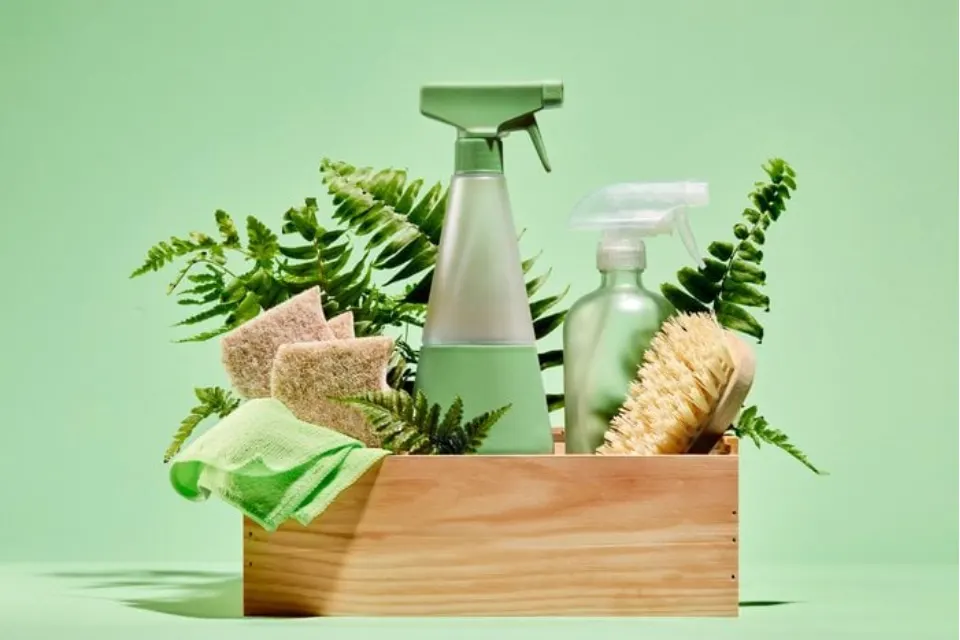
Clean Green
Ever get a headache from the smell of a freshly scrubbed bathroom? Or worry about your curious pet licking up a spill of floor cleaner? We’ve all been there. For years, we’ve associated that strong, chemical scent with “clean.” But what if a truly clean home didn’t have to come at the expense of your health or the environment? Making the switch to eco-friendly cleaning products isn’t just a trend; it’s a simple, powerful change you can make for a healthier life.
It’s about more than just a green colored label. True eco-friendly products are different from conventional cleaners in a few key ways. They skip the stuff that can irritate your skin, mess with your breathing, or harm aquatic life, like phosphates, chlorine, and ammonia. Instead, they use ingredients from plants and minerals that are much safer for your family, pets, and the planet. When these cleaners go down the drain, their ingredients break down naturally without polluting our waterways. That’s a huge win for marine life and our ecosystems. Many green brands also use concentrated formulas, so you just add water. This means less plastic packaging and a smaller carbon footprint from shipping lighter products. Plus, many brands offer refillable bottles, so you can reuse the same container over and over.
A Cleaner Home, a Healthier You!
Think about it, the air in your home is what you and your family breathe every single day. By using non-toxic products, you’re not just cleaning surfaces you’re improving your indoor air quality. This is especially important for households with young children, people with allergies or asthma, and pets who spend their lives close to the floor. You can finally clean with confidence, knowing you aren’t leaving behind any harmful residue.
You don’t need to empty your cleaning cabinet all at once. Start by reading the labels. Look for certifications like EPA Safer Choice or the Leaping Bunny logo, which means the product is cruelty-free. These labels are your signal that a product meets high standards for safety and effectiveness.
You can also try a DIY solution. You’d be amazed at what a simple mix of vinegar, baking soda, and a little essential oil can clean. These common ingredients can tackle everything from greasy counters to clogged drains. Another option is to find a brand you love. There are so many amazing companies now that are transparent about their ingredients and committed to sustainability. Do a quick search online, or check out your local grocery store’s natural products section. Switching to eco-friendly cleaning products is a simple step with a huge impact. It’s about creating a space that feels truly clean and safe, from the air you breathe to the surfaces you touch.
What do you clean your home with?

Can You “Catch” a Cavity? The Truth About the Unseen Spread
You might think of a cavity as a personal dental problem, something that happens to your own teeth because of your diet or brushing habits. But what if we told you that the bacteria that cause cavities can actually spread from person to person? It’s a surprising reality. While you can’t “catch” a physical cavity like you would a cold or the flu, the microscopic organisms responsible for them can absolutely be shared. A cavity is, at its core, a bacterial infection, and the primary culprit is a bacterium known as Streptococcus mutans. These tiny organisms thrive in our mouths, feeding on the sugars and carbs we consume. In return, they produce acids that gradually erode tooth enamel, creating the tiny pits that eventually become cavities.
This is why it’s so important to understand how these bacteria are transmitted. The primary method is through saliva, which means sharing utensils, cups, and even a simple kiss can transfer these cavity causing microbes. Parents are often the unwitting carriers, unknowingly passing these bacteria to their infants and young children by blowing on food to cool it or cleaning a dropped pacifier with their mouth. Children don’t begin life with these specific bacteria in their mouths; they typically acquire them from their caregivers, making early childhood a particularly critical time for prevention.
Of course, being exposed to these bacteria doesn’t automatically mean you’ll get a cavity. Whether a cavity develops depends on a combination of factors. Your daily oral hygiene habits like regular brushing with fluoride toothpaste and flossing are your first and best defense. Your diet also plays a crucial role; the less sugar you consume, the less fuel you provide for the bacteria to create harmful acids.
Additionally, genetics and natural saliva flow can influence your susceptibility, as a healthy flow of saliva helps neutralize acids and wash away food particles.
Knowing this, you can take simple but powerful steps to protect your smile and the smiles of those you love. The most effective way to prevent the spread is to avoid sharing don’t share toothbrushes, cups, or eating utensils. Maintain excellent personal oral hygiene with consistent brushing and flossing, and be mindful of your diet to limit sugar intake. For parents, being aware of how you handle your child’s food and pacifiers can make a world of difference in their long-term dental health.
Understanding that a cavity is a bacterial infection is the first step toward better oral care, allowing you to be proactive in preventing the spread and keeping your teeth healthy and strong.
Phishing 🎣📲📞
Phishing scams are one of the most common fraud tactics, where criminals send emails or texts pretending to be legitimate companies (like banks, delivery services, or tech support). They often include urgent messages or fake links asking you to ‘verify your account’ or ‘claim a refund.’ Clicking these links can lead to stolen credentials or malware installation. To stay safe, never click suspicious links, check sender email addresses carefully, and access accounts only through official websites or apps.
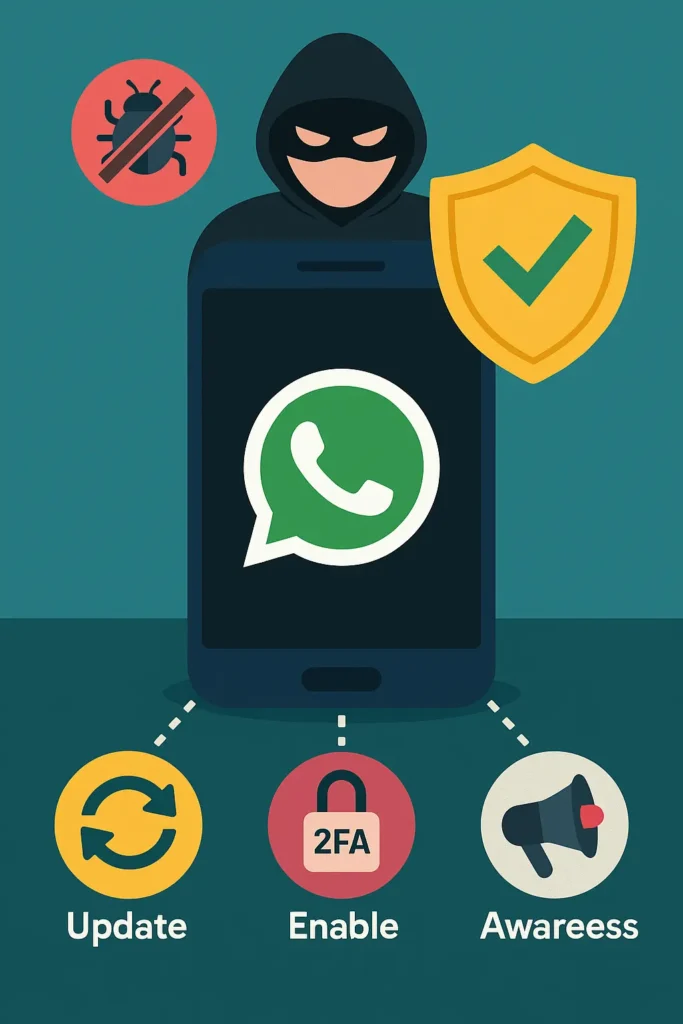
WhatsApp Cyberespionage Campaign Aug 2025
In late August 2025, WhatsApp identified a highly sophisticated hacking campaign that exploited a chain of vulnerabilities in its app and Apple devices, potentially targeting fewer than 200 individuals, including members of civil society organizations. Both iPhone and Android users may have been affected. WhatsApp has since released patches for the vulnerabilities. To protect yourself: ensure your app and device software are fully up to date, avoid clicking unexpected links, enable two-factor authentication (2FA), and scan your device via trusted cybersecurity tools. Let’s also share this alert within our communities to increase awareness and vigilance.
Why It Matters & What You Can Do:
– Protect your privacy: These are not ordinary phishing attempts—they target sensitive individuals.
– Take action: Regularly check for app and OS updates, and apply them promptly.
– Add security layers: Enable 2FA on WhatsApp and equivalent platforms.
– Collaborate: Spread awareness among peers and encourage digital safety habits.
Trees Fun Fact
Trees are natural air purifiers one mature leafy tree can absorb up to 48 pounds of carbon dioxide per year and release enough oxygen to support two people. Trees also communicate underground through a network of roots and fungi known as the ‘Wood Wide Web,’ sharing nutrients and sending warning signals about pests or droughts to neighboring trees.
The World's Quietest Place Is So Quiet, You Can Hear Your Own Blood Flow.
Have you ever wondered what the quietest place on Earth is?
It’s not a remote desert or a silent mountaintop. It’s an anechoic chamber at Microsoft’s headquarters in Redmond, Washington.
This room is so quiet that it holds the Guinness World Record for the quietest place on Earth. The ambient noise level is a stunning -20.35 decibels.
To put that in perspective, a quiet library is around 30 decibels, and a whisper is about 15-20 decibels. The threshold of human hearing is 0 decibels.
Spending time in this chamber is a truly surreal experience!
After just a few minutes, your ears will start to adapt to the silence, and you’ll begin to hear sounds you’ve never noticed before. You can hear your own heartbeat, a ringing in your ears, and even the sound of your own blood flowing. The lack of external noise is so disorienting that people have reported feeling dizzy or struggling to stand upright inside the room.
Ever feel like you're navigating life alone?
The good news is, you’re not. Every community is full of services and resources designed to help its residents thrive. These aren’t just for people in a crisis; they’re for everyone, and using them strengthens the entire community.
These community services are the glue that holds a neighborhood together, working to improve the well-being of everyone. They are incredibly diverse, from local food banks and housing assistance to public libraries and after school programs. They also include health clinics, community gardens, and even civic groups like neighborhood watches. These resources provide a vital safety net and help ensure that everyone has a chance to succeed, regardless of their background or circumstances.
When we use and support these services, we’re not just helping ourselves we’re building a stronger community. For example, community centers and libraries create spaces where people can meet and build relationships, which helps fight isolation and fosters a sense of belonging. Access to health services and wellness programs helps people stay healthy, both physically and mentally. Additionally, educational resources and job training programs empower individuals with the skills they need to grow, find better jobs, and achieve their personal goals.
Finding these resources is easier than you might think. You can start by simply asking around or checking your local government’s website. A fantastic resource is 2-1-1, a confidential phone service that connects you to essential community services. You can also look for volunteer centers in your area to find ways to give back and help others. Volunteering is a great way to not only contribute but also to meet new people and learn new skills. Whether you’re in need of a little help or looking to lend a hand, remember that community services are there for you. Let’s make our communities a better place, together!
Music & The Brain
Listening to music every day is a powerful “workout” for your brain. Science has shown that music doesn’t just entertain us; it actively stimulates nearly every region of the brain. When you listen to a song, it triggers the release of feel good neurochemicals like dopamine, which helps regulate mood and pleasure. This is why a great song can give you “chills” and make you feel so good. Beyond just a mood boost, daily music can also improve memory and cognitive function, with studies showing it can enhance learning, reduce stress, and even help people with conditions like Alzheimer’s and dementia recall memories that seem otherwise lost. It’s a reminder that music is a universal language that deeply and positively impacts our mental and emotional well being.
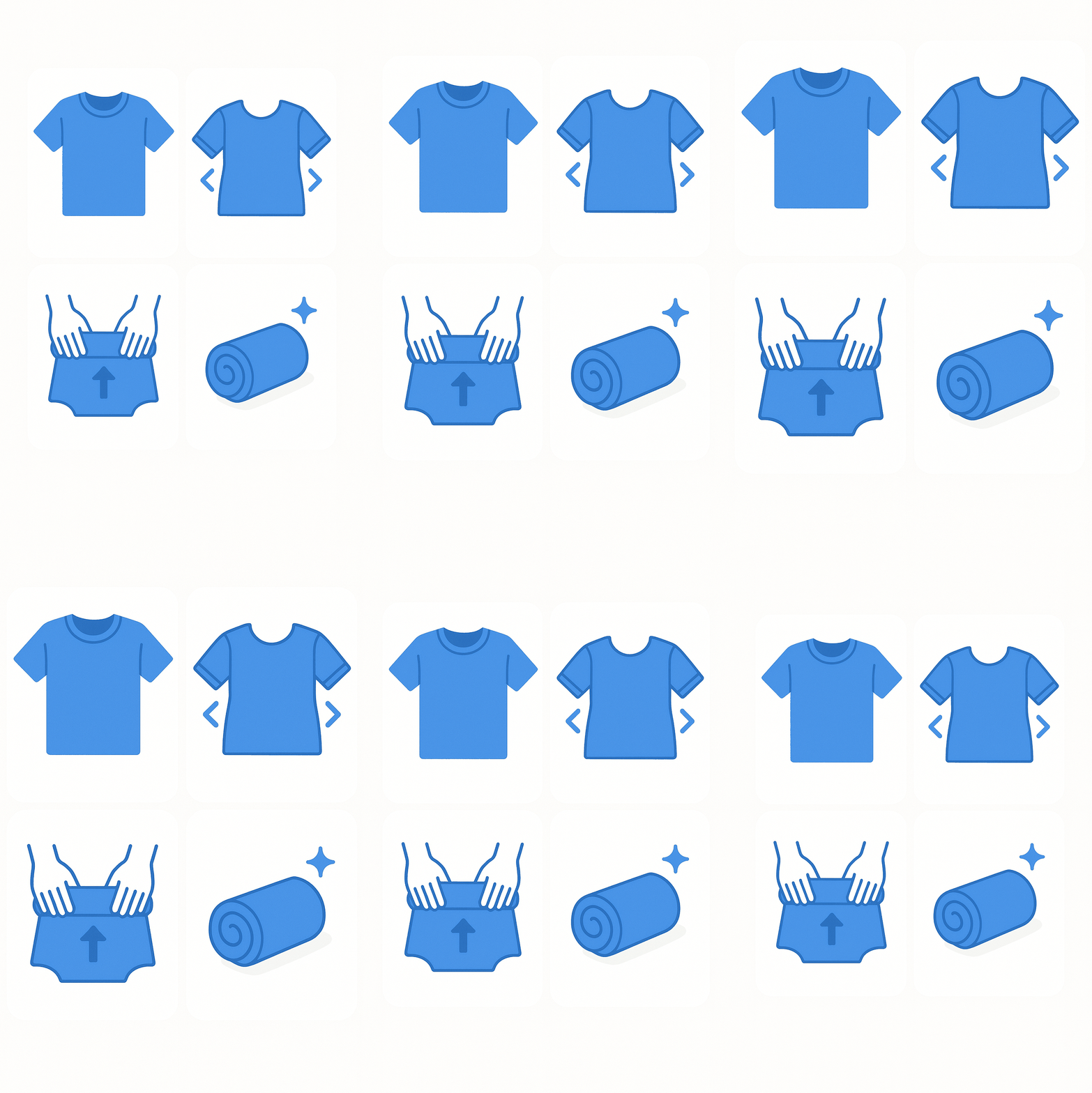
The “Laundry Burrito Hack” (The Fastest Way to Fold ANY Shirt)
Tired of folding shirts the slow, boring way? Roll it like a burrito.
Lay the shirt flat, fold the sides in, roll from the bottom up, and boom, perfect, tight, wrinkle-resistant “shirt burrito.”
Great for drawers, gym bags, travel, or when life is chaos but your shirts don’t have to be.
Fast • Satisfying • Silly name • Actually useful.

Local Cooling & Warming Centers Are Active During Extreme Weather
During periods of extreme heat or cold, cities and counties activate cooling centers and warming centers to protect residents from weather related health risks. These centers provide a safe, temperature controlled space, water, restrooms, and sometimes medical support. Availability often changes based on weather alerts, so checking local city or county announcements is key.
Why this matters now:
Extreme weather events are becoming more frequent, and many residents especially seniors, unhoused individuals, and families without reliable heating or cooling depend on these services for safety.
Food as Medicine
A holistic approach to ‘Food as Medicine’ focuses on using whole, nutrient-dense foods to support the body’s natural healing processes, addressing physical, mental, and emotional health rather than just treating symptoms.

Unattended Package Thefts Are Increasing - Porch Piracy Surges During Peak Delivery Seasons
Communities nationwide are seeing a rise in porch piracy – the theft of packages left unattended at homes and apartment buildings. With online shopping continuing to grow and delivery frequency increasing, more packages are being left at doorsteps for extended periods, especially during holidays, sales events, and high-demand shipping seasons.
Thieves often follow delivery vehicles, monitor neighborhoods, or scan apartment complexes for visible boxes. Many thefts occur within minutes of delivery — sometimes before homeowners even receive notification alerts.
Why this matters now:
The shift toward remote work, food delivery, subscription boxes, and same-day shipping has dramatically increased doorstep drop-offs. Combined with rising retail costs and high-demand products, packages are becoming attractive targets.
Common Risk Factors:
– Packages left in visible locations
– Deliveries scheduled while residents are at work
– Apartment complexes with open-access entryways
– No doorbell cameras or notification systems
– Delayed pickup from mailrooms or front desks
Practical Safety Guidance:
– Use delivery tracking alerts and retrieve packages promptly.
– Request signature confirmation for high-value items.
– Schedule deliveries for times when someone is home.
– Use secure lockers, pickup hubs, or alternate delivery locations.
– Install doorbell cameras or visible surveillance signage.
– Ask trusted neighbors to collect packages if you are away.
Community Impact:
Package theft not only affects individuals but also burdens local law enforcement and increases insurance claims. In apartment complexes and dense neighborhoods, coordinated theft can impact dozens of residents in a short period.
Safety Takeaway:
If you’re expecting a package, plan for it. Visibility and timing matter. A small adjustment in delivery habits can prevent costly losses.

The Surprising Health Benefits of Ocean Water 🌊
The ocean offers more than just a tranquil escape; its water holds a unique blend of minerals that can promote health. A dip in the sea can be a natural tonic for both your body and mind.
One of the most immediate benefits is its rich mineral content. Seawater is packed with essential minerals like magnesium, potassium, and iodine, which are absorbed through your skin as you swim. Magnesium is particularly known for its calming properties, helping to relax muscles and soothe the nervous system. This makes a soak in the ocean an excellent natural remedy for stress and anxiety.
Ocean water is also a powerful ally for skin health. The salt and minerals have antiseptic and antibacterial properties that can help cleanse and heal the skin. Many people with conditions like eczema and psoriasis find that swimming in the ocean reduces inflammation and irritation. The exfoliating action of the sand and salt can also leave your skin feeling smoother and more refreshed.
Beyond its physical benefits, the ocean significantly impacts our mental health. The rhythmic sound of the waves and the vast, open expanse create a naturally meditative environment, which studies have shown can lower stress levels and promote feelings of peace. The negative ions in sea air are also believed to have a positive effect on mood.
In essence, a trip to the beach is a form of therapy. Whether you’re swimming or simply walking along the shore, you’re giving your body and mind a natural boost.

Dying of Laughter
Ever heard the phrase “dying of laughter”?
Turns out, it’s not just a figure of speech.
While incredibly rare, people have actually passed away from a severe laughing fit. But here’s the grim little twist it wasn’t the joy that got them. The culprit was the extreme physical stress laughter puts on the body, which can lead to a few serious problems. We’re talking about things like asphyxiation (basically, you can’t breathe), fainting from a sudden drop in blood pressure, or for people with heart issues, the strain can even trigger a cardiac arrest. So, while your favorite comedian probably isn’t a life-threatening risk, it’s a wild reminder that even our most joyful emotions can push our bodies to the absolute limit.
Investment & Crypto Scams
Scammers lure victims with promises of guaranteed returns through fake investments or crypto trading platforms. They may impersonate financial advisors or create convincing websites. Legitimate investments never promise risk-free profits. Always research platforms, verify licensing, and avoid sending funds to unknown wallets or unregulated brokers.
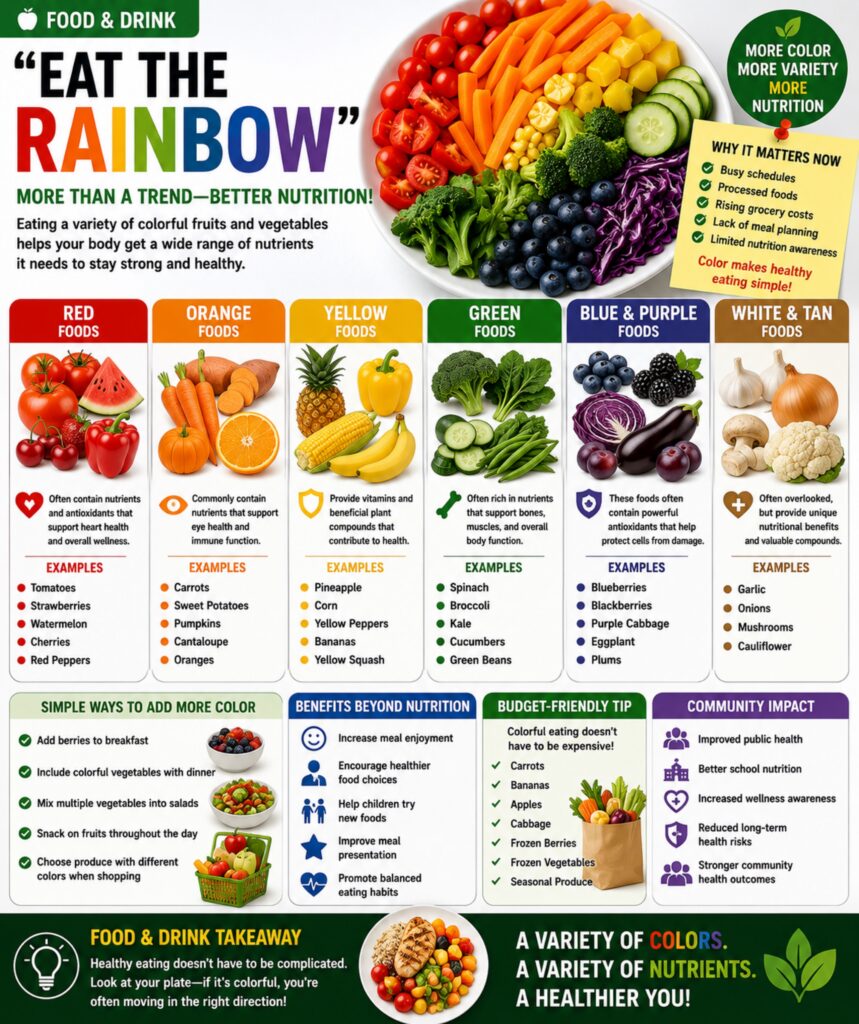
“Eat the Rainbow” Is More Than a Trend — Colorful Foods May Improve Overall Nutrition
Nutrition experts continue to encourage a simple guideline that is gaining popularity among families, schools, wellness programs, and healthcare providers:
Eat the Rainbow.
The idea is straightforward: consume fruits and vegetables of many different colors throughout the week. Different colors often indicate different vitamins, minerals, antioxidants, and plant compounds that support various functions within the body.
While no single food contains everything the body needs, a colorful plate naturally increases nutritional variety and may help people consume a broader range of beneficial nutrients.
The concept is simple enough for children to understand and practical enough for adults to apply during grocery shopping and meal planning.
🌈 Why This Matters Now
Many people struggle to meet recommended fruit and vegetable intake goals.
Common barriers include:
* Busy schedules
* Processed convenience foods
* Rising grocery costs
* Lack of meal planning
* Limited nutritional awareness
The “Eat the Rainbow” approach simplifies healthy eating by focusing on color variety instead of complicated nutrition calculations.
🔴 Red Foods
Examples:
* Tomatoes
* Strawberries
* Watermelon
* Cherries
* Red peppers
Often associated with nutrients and antioxidants that support heart health and overall wellness.
🟠 Orange Foods
Examples:
* Carrots
* Sweet potatoes
* Pumpkins
* Cantaloupe
* Oranges
Commonly contain nutrients that support eye health and immune function.
🟡 Yellow Foods
Examples:
* Pineapple
* Corn
* Yellow peppers
* Bananas
* Yellow squash
Often provide vitamins and beneficial plant compounds that contribute to overall health.
🟢 Green Foods
Examples:
* Spinach
* Broccoli
* Kale
* Cucumbers
* Green beans
Often rich in nutrients that support bones, muscles, and overall body function.
🔵🟣 Blue & Purple Foods
Examples:
* Blueberries
* Blackberries
* Purple cabbage
* Eggplant
* Plums
These foods often contain powerful antioxidants that help protect cells from damage.
⚪ White & Tan Foods
Examples:
* Garlic
* Onions
* Mushrooms
* Cauliflower
Though often overlooked, these foods provide unique nutritional benefits and valuable compounds.
🍽️ Simple Ways To Add More Color
Try:
* Adding berries to breakfast
* Including colorful vegetables with dinner
* Mixing multiple vegetables into salads
* Snacking on fruits throughout the day
* Choosing produce with different colors during grocery shopping
Small additions can significantly improve dietary variety over time.
🧠 Benefits Beyond Nutrition
Colorful meals may also:
✔ Increase meal enjoyment
✔ Encourage healthier food choices
✔ Help children try new foods
✔ Improve meal presentation
✔ Promote balanced eating habits
Many people naturally consume more fruits and vegetables when focusing on color diversity.
🛒 Budget-Friendly Tip
You don’t need exotic ingredients.
Affordable options often include:
* Carrots
* Bananas
* Apples
* Cabbage
* Frozen berries
* Frozen vegetables
* Seasonal produce
Nutritional variety can be achieved without significantly increasing grocery costs.
🌎 Community Impact
Healthy eating habits contribute to:
* Improved public health
* Better school nutrition
* Increased wellness awareness
* Reduced long-term health risks
* Stronger community health outcomes
Simple nutrition education can create lasting positive effects across generations.
🔍 Food & Drink Takeaway
Healthy eating doesn’t have to be complicated.
Sometimes the easiest nutrition guide is also the most visual:
Look at your plate.
If it contains a variety of colors, you’re often moving in the right direction.
🌈🥦🍓🥕🍇 More color. More variety. More nutrition.
The Climate Countdown
We’ve all heard the warnings about climate change, but it’s easy to feel like the most severe consequences are a problem for a distant future. A new report from the World Meteorological Organization (WMO) shatters that illusion with a mind-blowing and urgent warning “The future is NOW”.
The WMO’s report predicts an 86% chance that at least one year between 2025 and 2029 will see the global average temperature temporarily breach the crucial 1.5°C (2.7°F) threshold above pre-industrial levels.
The 1.5°C Threshold Is Our “Red Line”
The 1.5°C target is not just a random benchmark. It’s the “red line” that the world’s governments agreed to in the Paris Agreement to avoid the most catastrophic and irreversible effects of climate change. While a single year breaching this mark doesn’t mean we’ve failed the long-term goal, it is a glaring and terrifying sign that we are on a fast track toward a more dangerous world.
The Arctic is projected to warm at a rate more than three and a half times faster than the global average. This isn’t just an issue for polar bears. The rapid melting of Arctic ice and permafrost has a domino effect on the entire planet, from disrupting global weather patterns to accelerating sea-level rise and releasing ancient greenhouse gases. What happens in the Arctic doesn’t stay in the Arctic.
The Warning Is for All of Us
This isn’t a problem for the next generation. The impacts of this accelerating climate crisis are already here and will only intensify. We’re talking about more extreme heatwaves, devastating floods, prolonged droughts, and food and water shortages that can fuel economic and geopolitical instability.
This new report is a wake-up call unlike any other. It’s a stark reminder that the time for debate is over. The time for action is not in the future—it’s in the next five years.

NJ State of Emergency: SNAP Benefits Suspended
As of November 1, 2025, New Jersey has entered a State of Emergency following the federal government’s suspension of SNAP (Supplemental Nutrition Assistance Program) benefits. This interruption affects hundreds of thousands of residents who rely on SNAP for monthly food access.
What This Means for Residents:
– SNAP EBT card funds may not load on scheduled refill dates.
– Grocery budgets will be directly impacted, especially for families and seniors.
– Food pantries, community centers, and local aid organizations are preparing for increased demand.
Immediate Community Resources:
Resource Type
– Emergency Food Pantries
– Soup Kitchens / Hot Meal Programs
– County Social Service Offices
– NJ 2-1-1 Hotline
Where to Look
– Local Churches
– Salvation Army
– Community Centers
– City Shelters & Outreach Groups
– County Websites & Hotlines
– Call 2-1-1 or visit nj211.org
Notes
– Bring ID
– Hours vary
– Some allow walk-ins, others require sign-in
– Can advise on temporary assistance
– Statewide help directory
What You Can Do If You’re Affected:
– Call 2-1-1 for nearest emergency food resources.
– Check local Facebook / town community groups for pop-up food drives.
– Save receipts and records if benefits resume later (for possible reimbursement programs).
Why This Matters:
This is a real-time hardship situation, not a rumor. Staying informed helps families react quickly, reduces confusion, and directs community support where it’s needed most.
Fraudulent Calls & Texts
Scammers often use number spoofing to make fraudulent calls or texts appear as if they’re coming from trusted sources like banks, government agencies, or even your own phone number. This tactic tricks victims into sharing sensitive information or sending money. Always verify unexpected calls by hanging up and calling the official number directly. Legitimate organizations will never pressure you to provide personal data or payments over unsolicited calls or texts.