
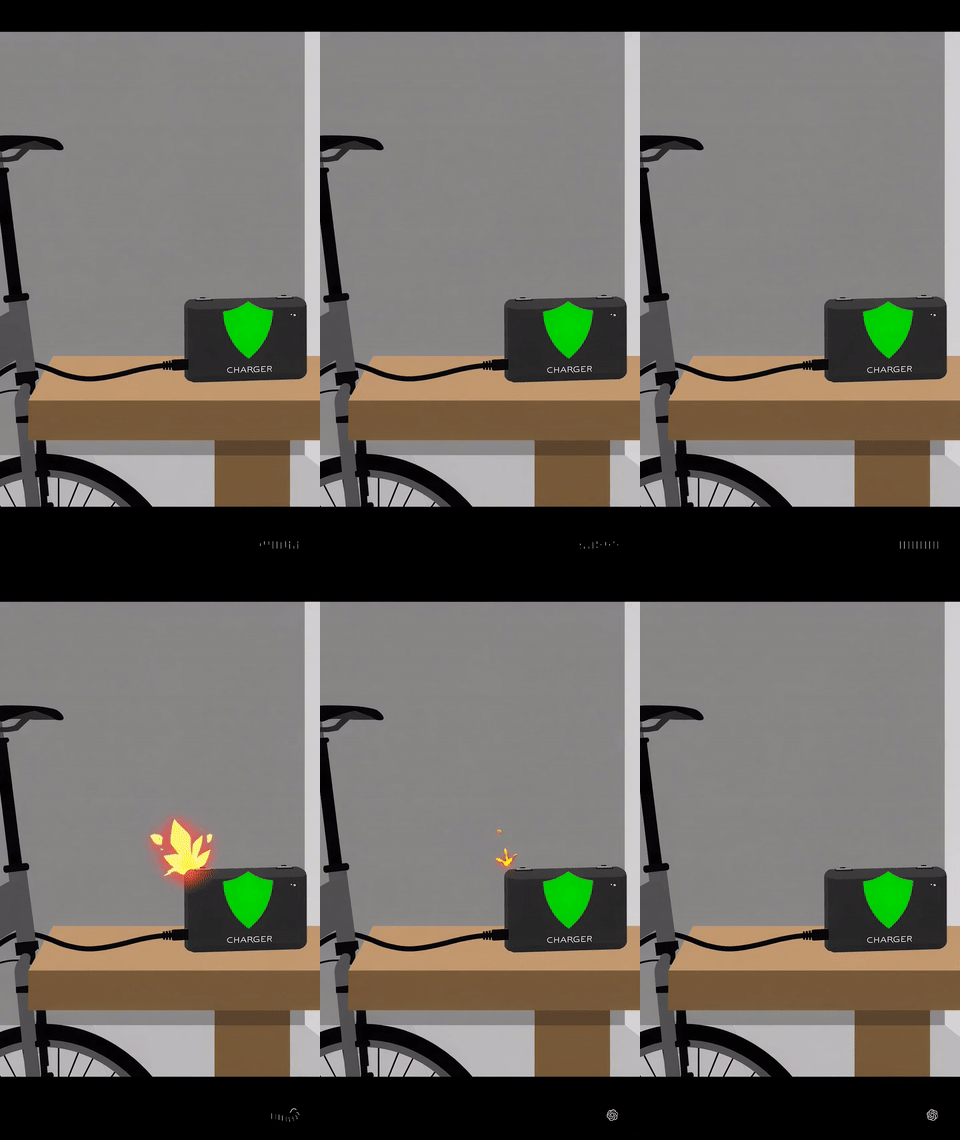
Fire departments across the country are reporting a sharp increase in lithium-ion battery fires, particularly involving e-bikes, electric scooters, hoverboards, power banks, and aftermarket replacement batteries. These fires can ignite suddenly, burn extremely hot, and spread rapidly — sometimes within seconds — making them especially dangerous inside homes and apartment buildings.
Unlike traditional fires, lithium-ion battery fires can reignite even after being extinguished, release toxic smoke, and are difficult to control without specialized equipment. Many incidents occur while devices are charging overnight or when using cheap, incompatible, or damaged chargers.
Why this matters now:
As electric mobility devices and portable power storage become more common, especially in urban areas and multi-family housing, the number of battery-related fires has increased. Cold weather, heavy daily commuting, and indoor charging habits add to the risk.
Common Risk Factors:
– Charging devices overnight or unattended
– Using third-party or off-brand chargers
– Damaged, swollen, or overheating batteries
– Charging near flammable materials
– Blocking exits with charging devices
Critical Safety Guidance:
– Only use manufacturer-approved chargers and batteries
– Avoid charging devices on beds, couches, or near curtains
– Do not charge devices near exits or escape routes
– Stop using batteries that feel hot, swell, leak, or smell unusual
– Install working smoke detectors in charging areas
– Never attempt to extinguish a lithium battery fire with water
Community Impact:
These fires are responsible for increasing residential fire calls, property damage, and injuries. In apartment complexes and dense housing areas, a single battery fire can affect dozens of residents within minutes.
Safety Takeaway:
Charge smart. Use certified equipment. Never ignore warning signs. A small device can create a big emergency if handled improperly.