
🚫 Please Log in to Access Your CLUE-CLUB Dashboard.
Top Clues
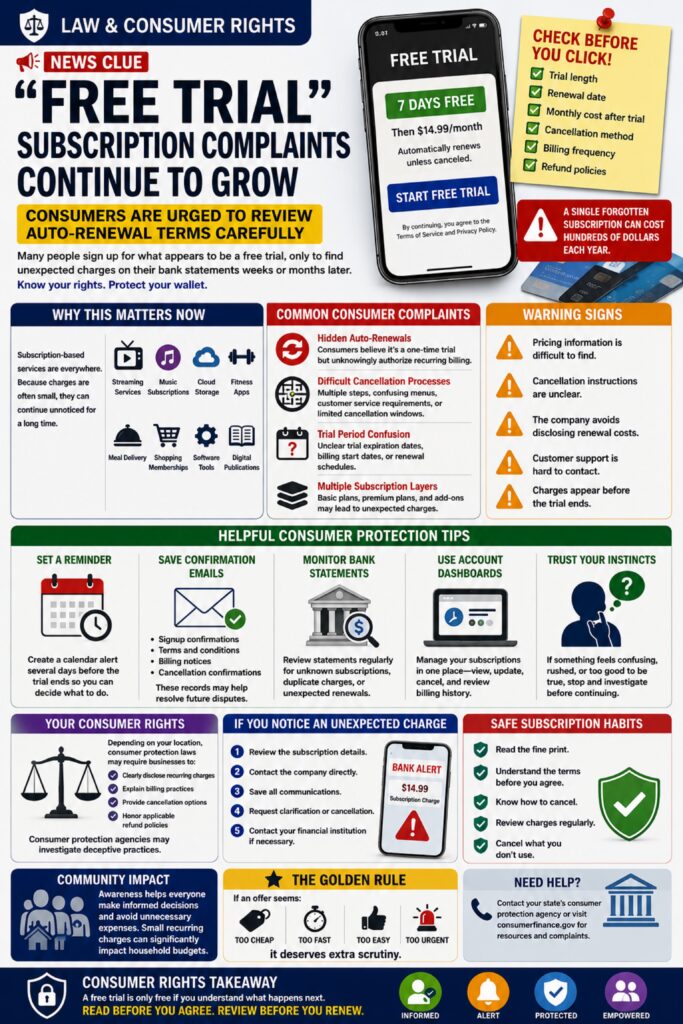
“Free Trial” Subscription Complaints Continue To Grow — Consumers Are Urged To Review Auto-Renewal Terms Carefully
Consumer protection agencies continue receiving complaints from individuals who...
Consumer protection agencies continue receiving complaints from individuals who signed up for what appeared to be a free trial, only to discover recurring charges appearing on their bank statements weeks or months later.
From streaming services and fitness apps to AI tools, meal programs, wellness subscriptions, software platforms, and online memberships, businesses increasingly use free trials as a way to introduce consumers to products and services.
While many companies operate legally and clearly disclose their terms, consumer advocates warn that some subscription offers use confusing language, difficult cancellation processes, or automatic renewals that consumers may overlook during signup.
As subscription-based services continue expanding across nearly every industry, understanding your rights as a consumer has become increasingly important.
⚖️ Why This Matters Now
Many consumers currently manage:
* Streaming services
* Music subscriptions
* Cloud storage plans
* AI platforms
* Fitness memberships
* Meal delivery services
* Shopping memberships
* Software subscriptions
* Digital publications
Because recurring charges are often relatively small, they can continue unnoticed for long periods of time.
A single forgotten subscription may cost hundreds of dollars annually.
🚨 Common Consumer Complaints
Hidden Auto-Renewals
Consumers believe they are signing up for a one-time trial but unknowingly authorize recurring billing.
Difficult Cancellation Processes
Some users report:
* Multiple cancellation steps
* Confusing account menus
* Customer service requirements
* Limited cancellation windows
Trial Period Confusion
Consumers sometimes misunderstand:
* Trial expiration dates
* Billing start dates
* Renewal schedules
Multiple Subscription Layers
Some services offer:
* Basic plans
* Premium plans
* Add-on services
Consumers may not realize multiple subscriptions have been activated.
🔍 Before Starting A Free Trial
Take a few moments to verify:
✔ Trial length
✔ Renewal date
✔ Monthly cost after trial
✔ Cancellation method
✔ Billing frequency
✔ Refund policies
Reading the details upfront can help prevent future surprises.
📅 Helpful Consumer Protection Tips
Set A Reminder
Create a calendar alert several days before the trial ends.
This allows time to evaluate whether the service remains worthwhile.
Save Confirmation Emails
Keep:
* Signup confirmations
* Terms and conditions
* Billing notices
* Cancellation confirmations
These records may help resolve future disputes.
Monitor Bank Statements
Review statements regularly for:
* Unknown subscriptions
* Duplicate charges
* Unexpected renewals
Small recurring charges are often overlooked.
Use Account Dashboards
Many services provide subscription management tools that allow users to:
* View active subscriptions
* Update payment methods
* Cancel renewals
* Review billing history
⚠️ Warning Signs
Exercise caution if:
❌ Pricing information is difficult to locate.
❌ Cancellation instructions are unclear.
❌ The company avoids disclosing renewal costs.
❌ Customer support is difficult to contact.
❌ Charges appear before the trial ends.
These situations deserve closer review.
🛡️ Your Consumer Rights
Depending on your location, consumer protection laws may require businesses to:
* Clearly disclose recurring charges
* Explain billing practices
* Provide cancellation options
* Honor applicable refund policies
Consumer protection agencies often investigate deceptive subscription practices.
📞 If You Notice An Unexpected Charge
Take action quickly:
1. Review the subscription details.
2. Contact the company directly.
3. Save all communications.
4. Request clarification or cancellation.
5. Contact your financial institution if necessary.
The sooner an issue is identified, the easier it may be to resolve.
🌎 Community Impact
Subscription services offer convenience and value for millions of consumers.
However, increased awareness helps individuals make informed financial decisions and avoid unnecessary expenses.
Small recurring charges can significantly impact household budgets over time.
🎯 Consumer Rights Takeaway
A free trial is only free if you understand what happens next.
Before clicking “Start Free Trial,” take a moment to understand the terms, set a reminder, and know how to cancel if needed.
Remember:
Read before you agree. Review before you renew.
⚖️💳🔍📅 Your attention today can prevent unwanted charges tomorrow.
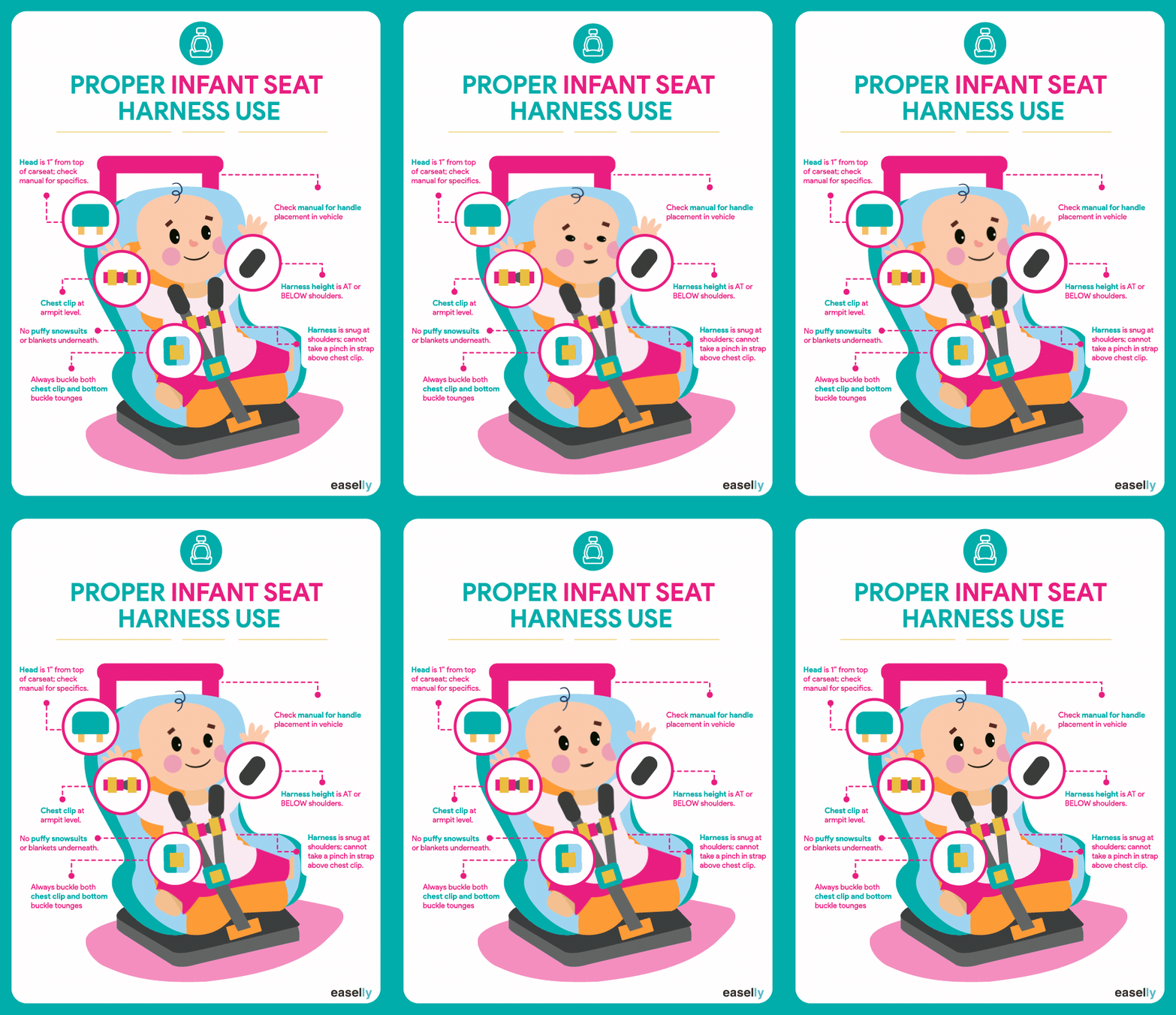
Proper Infant Seat Harness Use
This infographic shows the correct way to secure an infant in a rear-facing car...
This infographic shows the correct way to secure an infant in a rear-facing car seat using a 5-point harness system. Key safety tips include placing the chest clip at armpit level, ensuring the harness is snug (no slack above the clip), keeping the harness straps at or below shoulder level, and avoiding bulky clothing or blankets beneath the straps. It also highlights the importance of following the car seat’s manual for head positioning and handle placement.
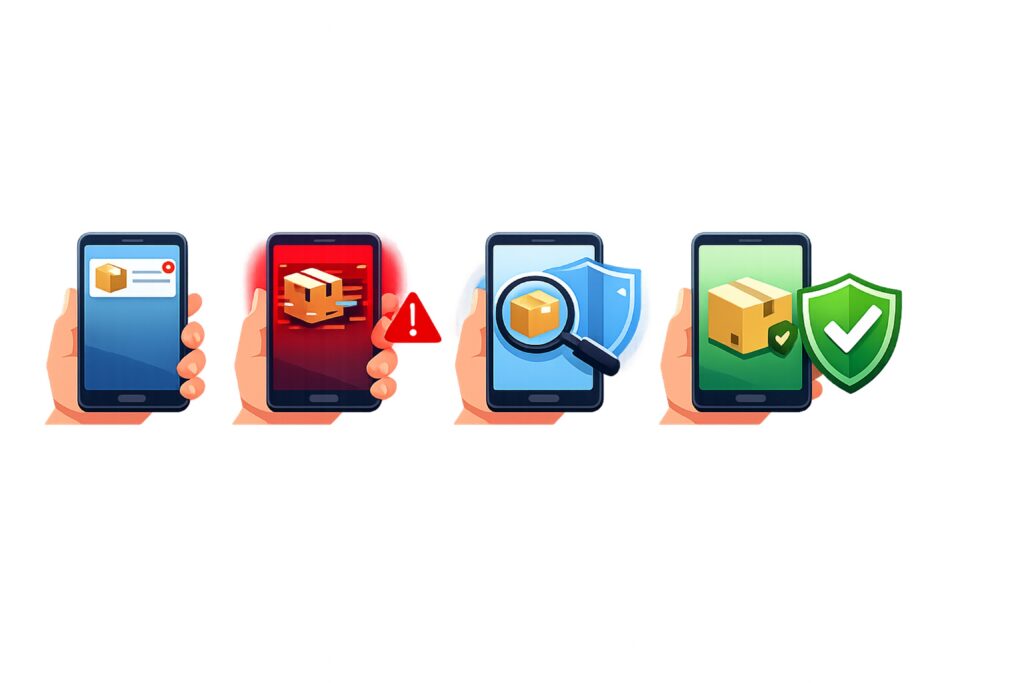
Fake Delivery Notifications Are Increasing — One Click Can Lead to Identity Theft
Communities across the country are reporting a significant increase in fake...
Communities across the country are reporting a significant increase in fake package delivery notifications sent through text messages, emails, and messaging apps. These messages often claim that a package could not be delivered, requires address verification, has unpaid shipping fees, or is waiting for pickup.
At first glance, these notifications appear legitimate. They may use company logos, professional formatting, tracking numbers, and urgent language designed to create concern. The goal is simple: convince the recipient to click a fraudulent link.
Once clicked, victims may be directed to a fake website that requests:
* Credit card information
* Personal identification details
* Account login credentials
* Banking information
* Payment for fake shipping fees
Some websites also attempt to install malware or collect information that can later be used for identity theft and financial fraud.
🚨 Why This Matters Now
Online shopping, food delivery services, subscription boxes, and same-day shipping continue to grow. As more people receive packages regularly, scammers are exploiting the fact that many recipients are often expecting a delivery.
Criminals know that when someone receives a message claiming there is a problem with a package, they are more likely to react quickly without verifying the source.
These scams frequently increase during:
* Holiday shopping seasons
* Major sales events
* Back-to-school periods
* Tax refund season
* Severe weather disruptions affecting deliveries
⚠️ Common Warning Signs
* Messages from unfamiliar phone numbers or email addresses
* Links that do not match the official delivery company’s website
* Requests for small “redelivery” or “processing” fees
* Urgent warnings that a package will be returned immediately
* Spelling errors, awkward wording, or unusual formatting
* Requests for passwords, account credentials, or financial information
🛡️ Critical Safety Guidance
* Never click links in unexpected delivery messages.
* Verify package status directly through the retailer or official delivery app.
* Type official websites into your browser manually instead of using provided links.
* Enable package tracking notifications through trusted retailer apps.
* Use multifactor authentication on shopping and email accounts.
* Report suspicious messages as spam or phishing attempts.
🏘️ Community Impact
Delivery scams affect people of all ages, but seniors and individuals who frequently shop online are often targeted most aggressively. Beyond financial losses, victims may spend months resolving identity theft issues, replacing cards, changing passwords, and recovering compromised accounts.
These scams also reduce public trust in legitimate delivery notifications, making it harder for consumers to distinguish between genuine updates and fraudulent messages.
📱 What To Do If You Clicked a Suspicious Link
If you accidentally click a suspicious delivery link:
* Close the website immediately.
* Do not enter any information.
* Run a security scan on your device.
* Change passwords for affected accounts.
* Monitor bank and credit card activity.
* Contact your financial institution if payment information was entered.
Acting quickly can significantly reduce potential damage.
🔍 Safety Takeaway
A legitimate package company will never pressure you into making immediate payments through random text links. When a delivery message creates urgency, pause, verify, and confirm through official channels before taking action.
Remember:
Track through trusted apps, not unexpected links. A few seconds of verification can prevent months of fraud recovery. 🚚🛡️📦

The Power of Gum
For many, a stick of gum is simply a nostalgic treat or a temporary fix for bad...
For many, a stick of gum is simply a nostalgic treat or a temporary fix for bad breath.
Yet, this seemingly trivial confection holds a surprising array of potential benefits.
When used judiciously, it can improve our dental hygiene, sharpen our minds, and even calm our bodies.
The most recognized benefit of chewing gum is its positive impact on dental health, particularly when you choose a sugar-free variety.
The act of chewing stimulates a surge of saliva, which is your body's natural defense. This extra saliva washes away food particles and neutralizes the acids produced by plaque-forming bacteria.
Many sugar-free gums even contain xylitol, a unique sweetener that actively inhibits the growth of these cavity-causing bacteria, making it a simple tool for daily oral care.
Beyond dental hygiene, the rhythmic act of chewing can offer notable cognitive and psychological advantages. The repetitive motion can lead to a slight increase in blood flow to the brain, which may enhance alertness, concentration, and memory. This makes a piece of gum a potential aid for students or professionals needing to stay focused.
Additionally, chewing has been linked to stress reduction, as the simple, repetitive motion can be a self-soothing act. Some studies have even found it can help lower levels of the stress hormone cortisol.

Street Racing & Reckless Driving Incidents Are Rising - Community Safety at Risk
Many communities are reporting an increase in street racing, stunt driving, and...
Many communities are reporting an increase in street racing, stunt driving, and reckless speeding, particularly during late-night hours and weekends. These activities often occur on wide streets, industrial zones, highways, and even residential areas where drivers exploit low traffic and open road conditions.
Street racing is not just a nuisance — it poses serious risks to pedestrians, cyclists, residents, and other motorists. High speeds, sudden lane changes, blocked intersections, and spectators gathering near roadways create unpredictable and dangerous conditions. In residential neighborhoods, the noise alone can disrupt sleep, increase stress, and reduce quality of life for families and seniors.
Why this matters now:
Warmer weather, social media coordination, and modified vehicles have contributed to a resurgence of organized and spontaneous racing events. Some participants share locations in real time, drawing crowds and increasing risks for entire neighborhoods.
Common Warning Signs:
- Groups of vehicles gathering late at night in parking lots or wide intersections
- Revving engines, tire squeals, or loud exhaust noises
- Spectators standing near roadways with phones recording
- Vehicles blocking intersections to create makeshift race lanes
- Sudden bursts of high-speed traffic in otherwise quiet areas
Safety Risks to the Community:
- Increased likelihood of crashes and pedestrian injuries
- Delayed emergency response due to blocked roads
- Property damage from loss of vehicle control
- Elevated stress and sleep disruption for residents
- Potential for violence or confrontations in crowded race gatherings
Practical Safety Guidance:
- Avoid approaching or filming street racing events - crowds can quickly become unsafe.
- Report dangerous driving activity to local non-emergency lines when safe to do so.
- Teach teens and young drivers about the legal and life-threatening consequences of racing.
- Advocate for traffic calming measures such as speed humps, signage, and increased lighting.
- Stay alert when driving at night, especially near industrial zones or wide intersections.
Community Impact:
Street racing incidents strain law enforcement resources, endanger first responders, and create lasting safety concerns for neighborhoods. Preventing harm requires awareness, responsible reporting, and community cooperation.
Safety Takeaway:
Reckless driving isn’t entertainment - it’s a community hazard. Staying aware and avoiding high-risk areas helps protect lives.
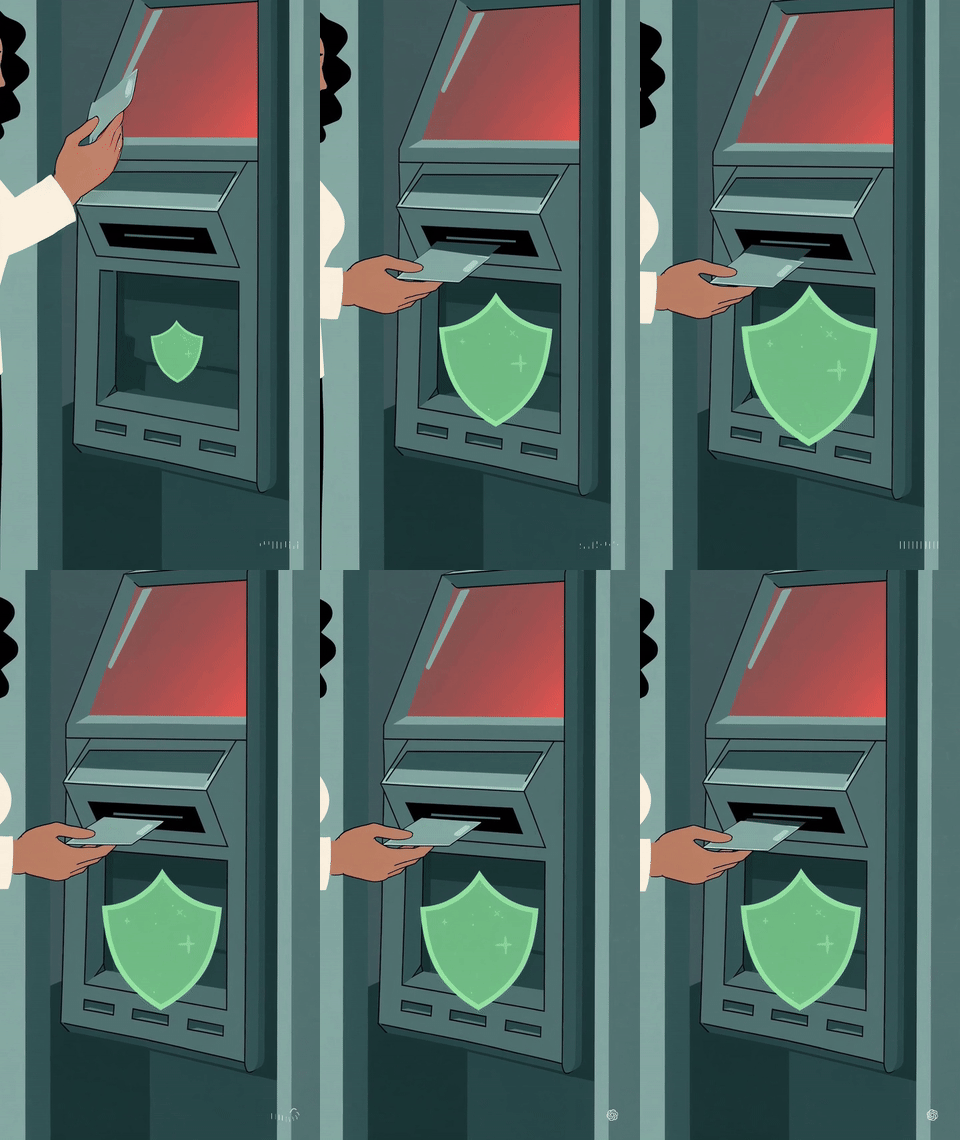
Card Skimming Devices Are Increasing - Protect Your Payments at ATMs and Gas Pumps
Communities are seeing a rise in card skimming and shimming devices placed on...
Communities are seeing a rise in card skimming and shimming devices placed on ATMs, gas pumps, parking meters, and self-checkout kiosks. These devices are designed to steal card information when you swipe or insert your card. Some are external overlays that fit over the card slot, while others are internal “shimmers” that are nearly invisible and capture data from chip cards.
Criminals often install these devices in high-traffic areas or at unattended machines. In some cases, tiny hidden cameras or fake keypad overlays are used to capture PIN numbers, allowing scammers to create duplicate cards and drain bank accounts within hours.
Why this matters now:
As more people rely on debit cards for everyday purchases and fuel costs rise, card use at gas pumps and ATMs has increased. Many older pumps still lack advanced security features, making them easy targets. Fraud cases often spike during travel seasons, holidays, and large public events.
Common Warning Signs:
- Card slot feels loose, bulky, or difficult to insert
- Keypad appears thicker than normal or hard to press
- Visible adhesive residue or mismatched colors around the reader
- Unusual attachments or misaligned components
- Machines located in poorly lit or isolated areas
Critical Safety Guidance:
- Use ATMs located inside banks or well-lit, high-traffic areas.
- Choose gas pumps closest to the building — these are less likely to be tampered with.
- Cover the keypad when entering your PIN.
- Use contactless payment or mobile wallets when available.
- Monitor bank statements regularly and set up transaction alerts.
- Report suspicious devices immediately to the business or authorities.
Community Impact:
Card skimming not only causes financial loss for individuals but also increases fraud investigations, raises banking costs, and affects local businesses. When multiple victims are targeted in one area, it can indicate organized criminal activity within the community.
Safety Takeaway:
Before you swipe or insert your card, take a second to look and touch. If something feels off, it probably is. Choosing safer machines and payment methods can prevent major financial loss.

Wellness is Productivity
More people are recognizing that productivity isn’t just about working harder,...
More people are recognizing that productivity isn’t just about working harder, it’s about feeling better. Your ability to focus, solve problems, and stay motivated is directly connected to your physical and mental health.
When the mind or body is stressed, performance suffers. But when you care for your sleep, nutrition, hydration, emotional balance, and rest, your energy, creativity, and decision-making improve.
Practical Ways to Apply This:
- Take short movement breaks every 60–90 minutes
- Stay hydrated — even mild dehydration affects focus
- Protect sleep like it’s part of your job (because it is)
- Schedule mental breaks just like meetings
- Eat foods that stabilize energy, not just fill hunger
This shift means wellness is no longer a luxury — it’s an essential tool for being your best.
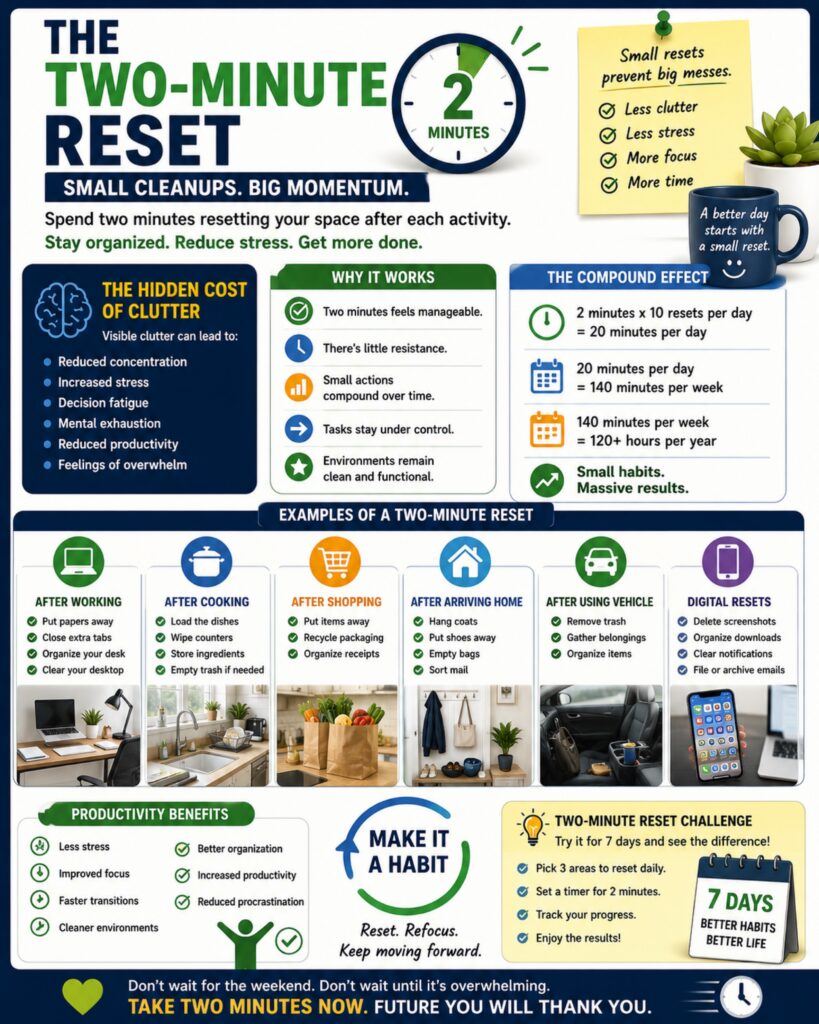
The “Two-Minute Reset” Is Becoming a Popular Productivity Habit — Small Cleanups Create Big Momentu
Productivity experts, organizers, and workplace coaches are increasingly...
Productivity experts, organizers, and workplace coaches are increasingly recommending a simple habit known as the Two-Minute Reset.
The concept is straightforward:
Whenever you finish an activity, spend two minutes restoring the space before moving on to the next task.
Instead of allowing clutter, unfinished items, and distractions to accumulate throughout the day, small resets keep environments organized and reduce mental overload.
Many people underestimate how much visual clutter affects focus, stress levels, and productivity.
A desk covered with paperwork, a kitchen filled with dishes, an overflowing inbox, or a vehicle full of miscellaneous items can create a constant background reminder of unfinished work.
The Two-Minute Reset prevents these small problems from becoming large ones.
⏰ Why This Matters Now
Modern life is busier than ever.
People often move rapidly between:
* Work tasks
* Meetings
* Emails
* Household chores
* Social activities
* Parenting responsibilities
* Personal projects
Because we’re constantly switching activities, small messes and unfinished tasks tend to accumulate faster than we realize.
By the end of the day, many people feel overwhelmed—not because of one major problem—but because of dozens of small unfinished ones.
🧠 The Hidden Mental Cost of Clutter
Researchers have found that visible clutter can contribute to:
* Reduced concentration
* Increased stress
* Decision fatigue
* Mental exhaustion
* Reduced productivity
* Feelings of overwhelm
Even when you’re not actively thinking about the clutter, your brain is still processing it.
A cleaner environment often supports clearer thinking.
🏠 Examples of a Two-Minute Reset
After Working
* Put papers away
* Close unnecessary tabs
* Organize your workspace
* Clear your desktop
After Cooking
* Load dishes
* Wipe counters
* Store ingredients
* Empty trash if needed
After Shopping
* Put items away immediately
* Recycle packaging
* Organize receipts
After Arriving Home
* Hang coats
* Put shoes away
* Empty bags
* Sort mail
After Using Your Vehicle
* Remove trash
* Gather belongings
* Organize items before leaving
📱 Digital Resets Matter Too
The same principle applies digitally.
Spend two minutes:
* Deleting unnecessary screenshots
* Organizing downloads
* Clearing notifications
* Filing documents
* Archiving emails
Digital clutter can become just as overwhelming as physical clutter.
🚀 Why It Works
The habit succeeds because:
* Two minutes feels manageable.
* There’s little resistance.
* Small actions compound over time.
* Tasks stay under control.
* Environments remain functional.
The goal isn’t perfection.
The goal is preventing small problems from becoming large ones.
💡 Productivity Benefits
People who consistently perform small resets often report:
✔ Less stress
✔ Improved focus
✔ Faster task transitions
✔ Cleaner environments
✔ Better organization
✔ Increased productivity
✔ Reduced procrastination
🔄 The Compound Effect
Two minutes may not sound significant.
But:
* 2 minutes × 10 resets per day = 20 minutes
* 20 minutes per day = 140 minutes per week
* 140 minutes per week = over 120 hours annually
Small habits create powerful long-term results.
🎯 Productivity Takeaway
Don’t wait for a massive cleaning session.
Don’t wait for the weekend.
Don’t wait until things become overwhelming.
Take two minutes now.
Future you will thank you.
Remember:
Small resets create big momentum. A cleaner space often leads to a clearer mind. ⏰🧹💡📈
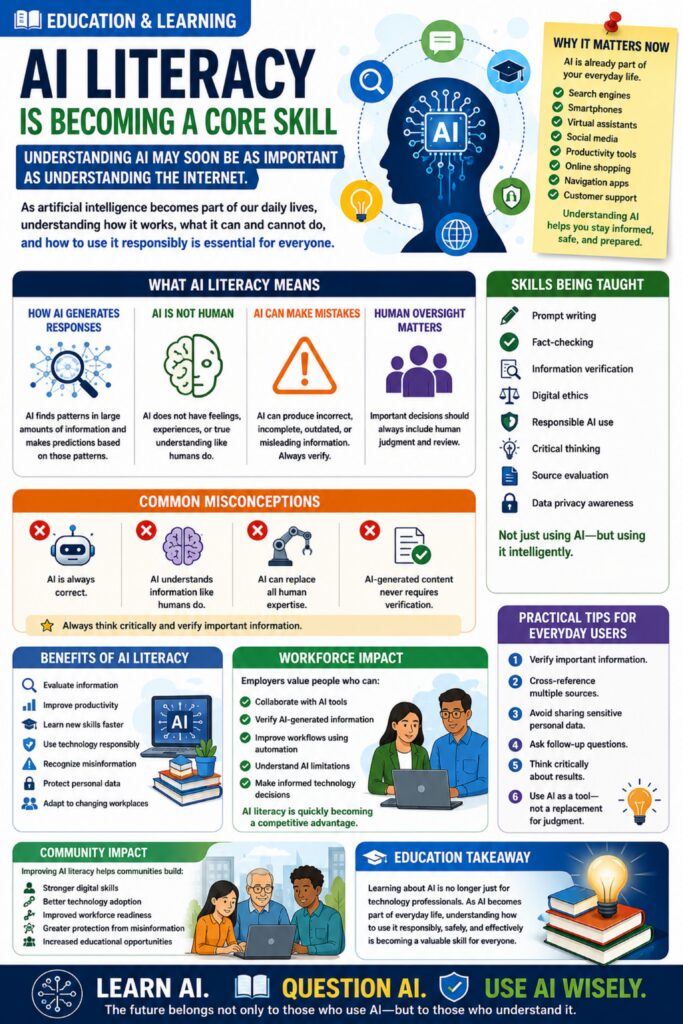
AI Literacy Is Becoming a Core Skill — Understanding AI May Soon Be as Important as Understanding the Internet
Schools, universities, employers, and workforce development organizations are...
Schools, universities, employers, and workforce development organizations are increasingly emphasizing a new form of digital literacy:
AI Literacy.
As artificial intelligence becomes integrated into search engines, productivity software, customer service platforms, healthcare systems, education tools, financial services, and everyday devices, experts believe understanding how AI works is becoming an essential life skill.
AI literacy does not require learning computer programming or becoming a software engineer. Instead, it focuses on helping people understand what AI can do, what it cannot do, how to evaluate AI-generated information, and how to use these tools responsibly and effectively.
Much like internet literacy became critical during the rise of the digital age, AI literacy is quickly becoming an important part of education and lifelong learning.
🤖 Why This Matters Now
Artificial intelligence is appearing almost everywhere.
People encounter AI when using:
* Search engines
* Smartphones
* Virtual assistants
* Navigation apps
* Customer service chatbots
* Social media platforms
* Productivity software
* Content creation tools
* Translation services
* Online shopping recommendations
Many individuals use AI daily without realizing it.
As adoption continues to grow, understanding the technology becomes increasingly important.
📚 What AI Literacy Means
AI literacy includes understanding:
How AI Generates Responses
AI identifies patterns from large amounts of information and generates predictions based on those patterns.
AI Is Not Human
AI can produce impressive results, but it does not possess human judgment, emotions, experiences, or true understanding.
AI Can Make Mistakes
AI systems sometimes generate inaccurate, incomplete, outdated, or misleading information.
Verification remains essential.
Human Oversight Matters
Critical decisions should involve human review and judgment.
🧠 Skills Being Taught
Educational programs are increasingly teaching:
* Prompt writing
* Fact-checking
* Information verification
* Digital ethics
* Responsible AI use
* Critical thinking
* Source evaluation
* Data privacy awareness
The goal is not simply using AI, but using it intelligently.
⚠️ Common Misconceptions
Many people incorrectly assume:
* AI is always correct.
* AI understands information like humans do.
* AI can replace all human expertise.
* AI-generated content never requires verification.
Experts strongly recommend maintaining critical thinking when using any AI-powered system.
🎓 Benefits of AI Literacy
People who understand AI may be better equipped to:
✔ Evaluate information
✔ Improve productivity
✔ Learn new skills faster
✔ Use technology responsibly
✔ Recognize misinformation
✔ Protect personal data
✔ Adapt to changing workplaces
💼 Workforce Impact
Employers increasingly value workers who can:
* Collaborate with AI tools
* Verify AI-generated information
* Improve workflows using automation
* Understand AI limitations
* Make informed technology decisions
Many industries now view AI literacy as a competitive advantage.
📱 Practical Tips for Everyday Users
When using AI:
1. Verify important information.
2. Cross-reference multiple sources.
3. Avoid sharing sensitive personal data.
4. Ask follow-up questions.
5. Think critically about results.
6. Use AI as a tool—not as a replacement for judgment.
🌎 Community Impact
Communities that improve AI literacy may benefit from:
* Stronger digital skills
* Better technology adoption
* Improved workforce readiness
* Greater protection from misinformation
* Increased educational opportunities
The ability to understand emerging technologies helps individuals participate more effectively in modern society.
🔍 Education Takeaway
Learning about AI is no longer just for technology professionals.
As AI becomes woven into everyday life, understanding how to use it responsibly, safely, and effectively is becoming a valuable skill for everyone.
Remember:
The future belongs not only to those who use AI—but to those who understand it.
🤖📚💡🌎 Learn AI. Question AI. Use AI wisely.
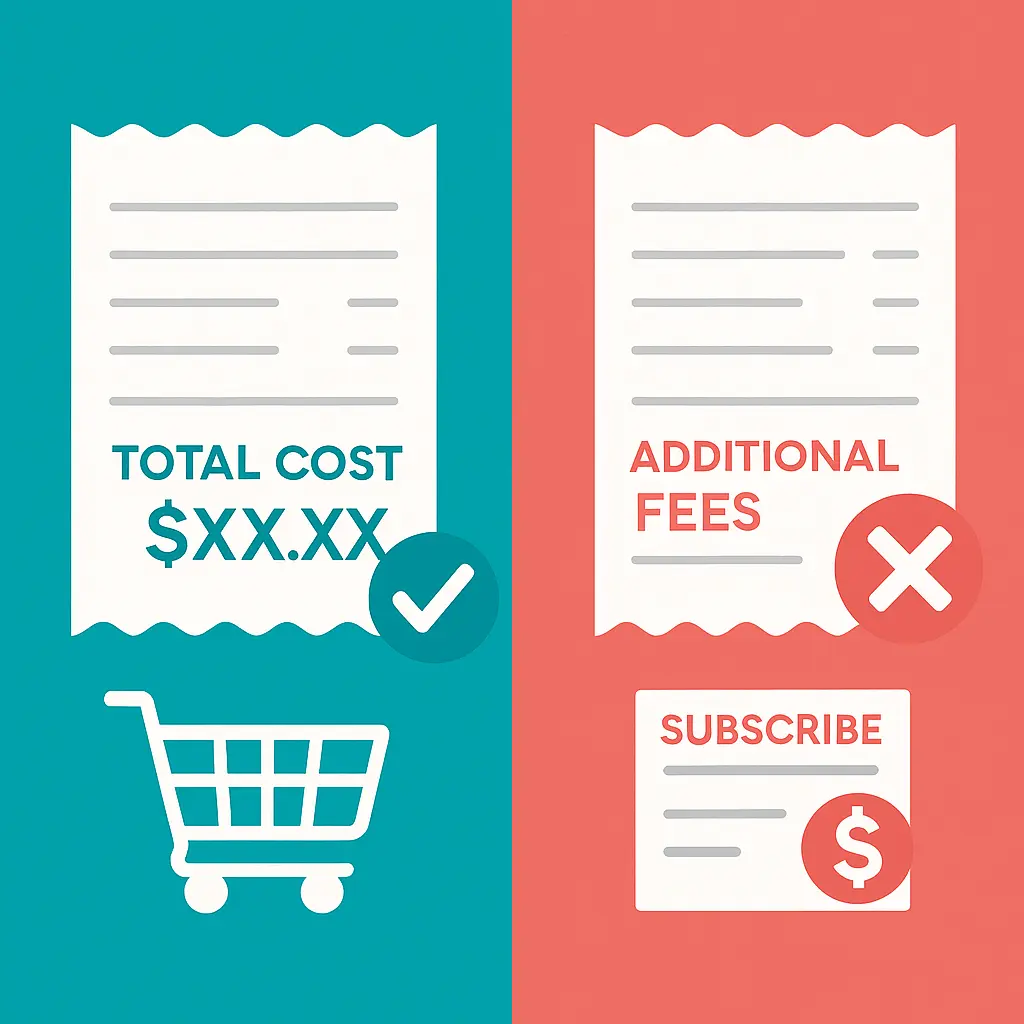
Massachusetts Bans "Junk Fees"
Massachusetts Bans "Junk Fees" Effective September 2, 2025
...
Massachusetts Bans "Junk Fees" Effective September 2, 2025
Massachusetts enacted a groundbreaking consumer protection law that bans hidden or undisclosed "junk fees" on bills and receipts. Businesses must now clearly display total pricing, including mandatory fees, before transactions complete. The law also tightens rules around trials and subscriptions, requiring clear fee explanations, accessible cancellation methods, and advance written notice before charging automatic renewals. Residents who suspect deceptive pricing can file complaints online.
Why It Matters & What You Can Do
Protect yourself: Your bill’s total cost must now be transparent—no surprise charges.
Take action: If you notice hidden fees, report them through Massachusetts’ official consumer portal.
Be a watchdog: Share this update with friends, especially if they shop online or subscribe to services frequently.
Promote fairness: Support similar reforms in other states to promote pricing transparency nationwide.
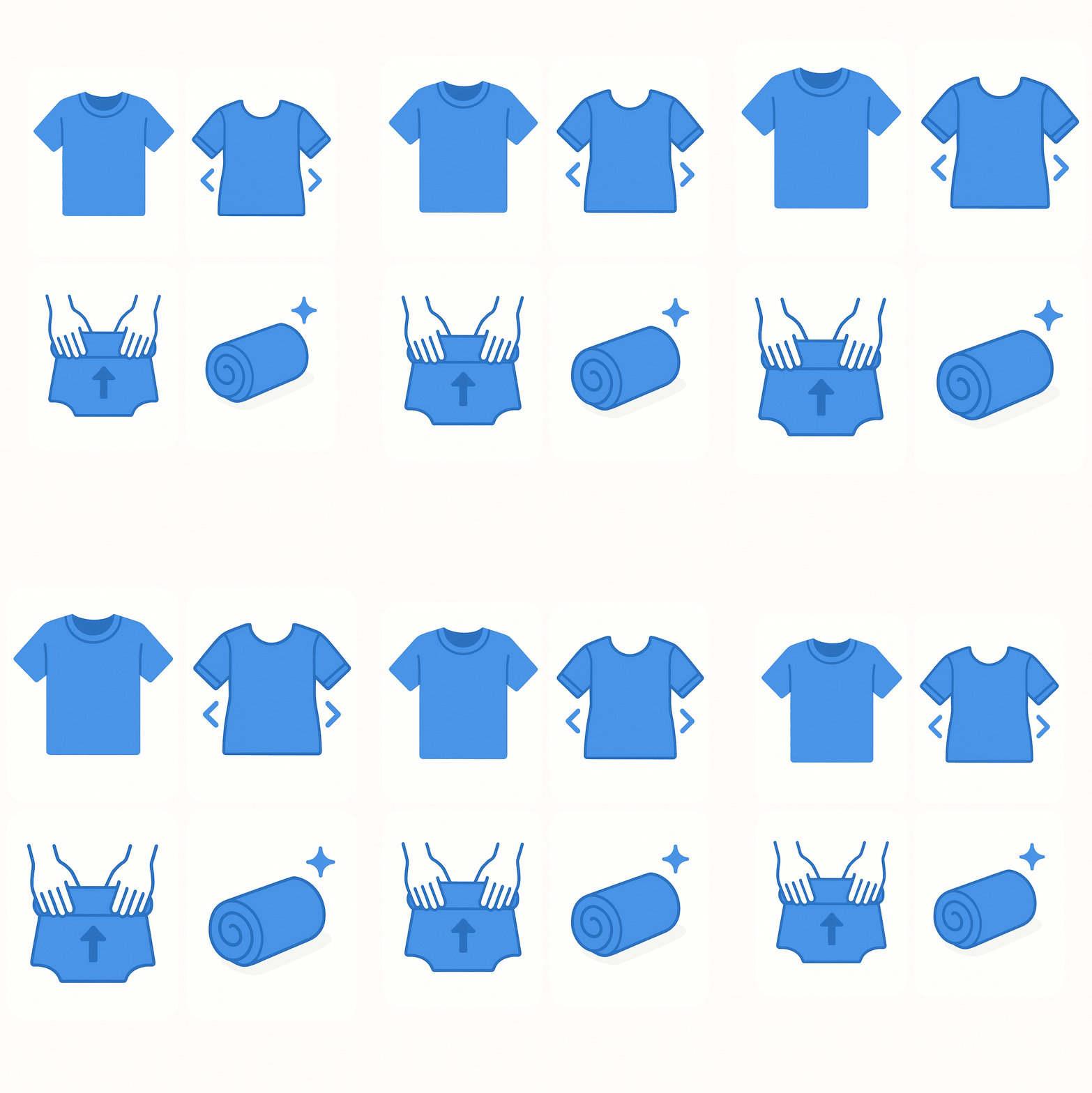
The “Laundry Burrito Hack” (The Fastest Way to Fold ANY Shirt)
Tired of folding shirts the slow, boring way? Roll it like a burrito.
...
Tired of folding shirts the slow, boring way? Roll it like a burrito.
Lay the shirt flat, fold the sides in, roll from the bottom up, and boom, perfect, tight, wrinkle-resistant “shirt burrito.”
Great for drawers, gym bags, travel, or when life is chaos but your shirts don’t have to be.
Fast • Satisfying • Silly name • Actually useful.
Electric Bike (E-Bike) Battery Recall
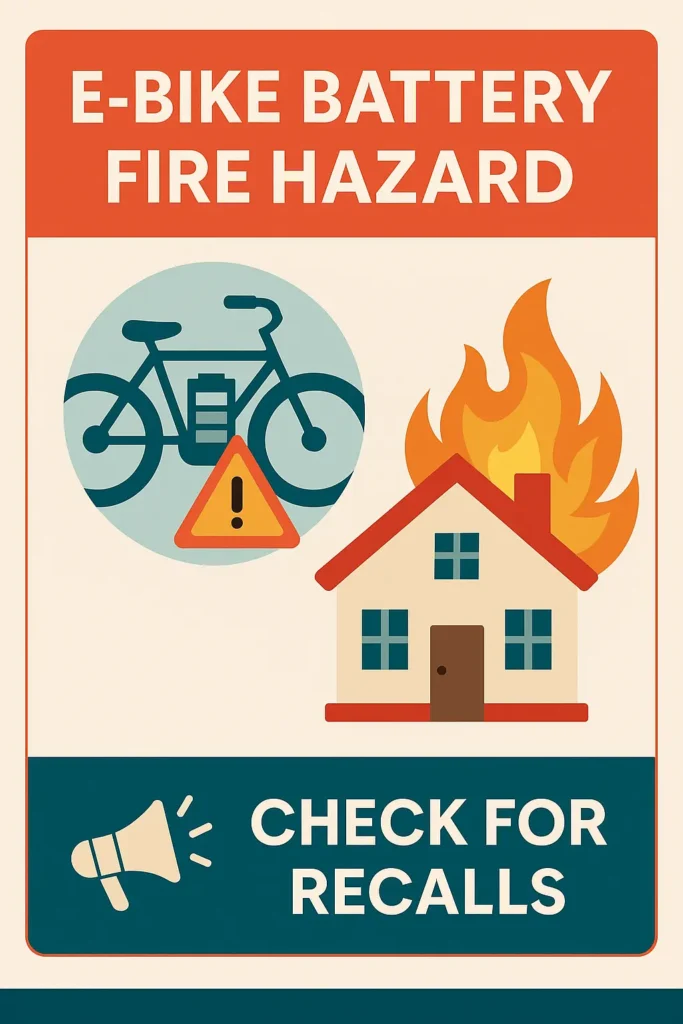
In August 2025, fire officials in Loudoun County, Virginia, warned residents...
In August 2025, fire officials in Loudoun County, Virginia, warned residents about e-bike battery recalls after a lithium-ion battery fire caused an explosion in a home. These fires can start suddenly and spread fast. To protect yourself and your community:
Check Recalls: Look up your e-bike model on the U.S. Consumer Product Safety Commission (CPSC) or manufacturer website.
Stop Use Immediately: If recalled, stop riding, move the bike outside, and avoid charging indoors.
Safe Disposal: Follow recall instructions for returning or properly disposing of the battery.
Spread Awareness: Share recall alerts with neighbors, local groups, and social channels. One reminder could prevent a fire in your community."
Why it matters:
Lithium-ion battery fires are fast, toxic, and difficult to extinguish.
Community awareness and quick action prevent injuries and property loss.
Sharing verified recall notices builds safer, more informed neighborhoods.
“One-Touch Rule” — Stop Moving the Same Task Around All Day
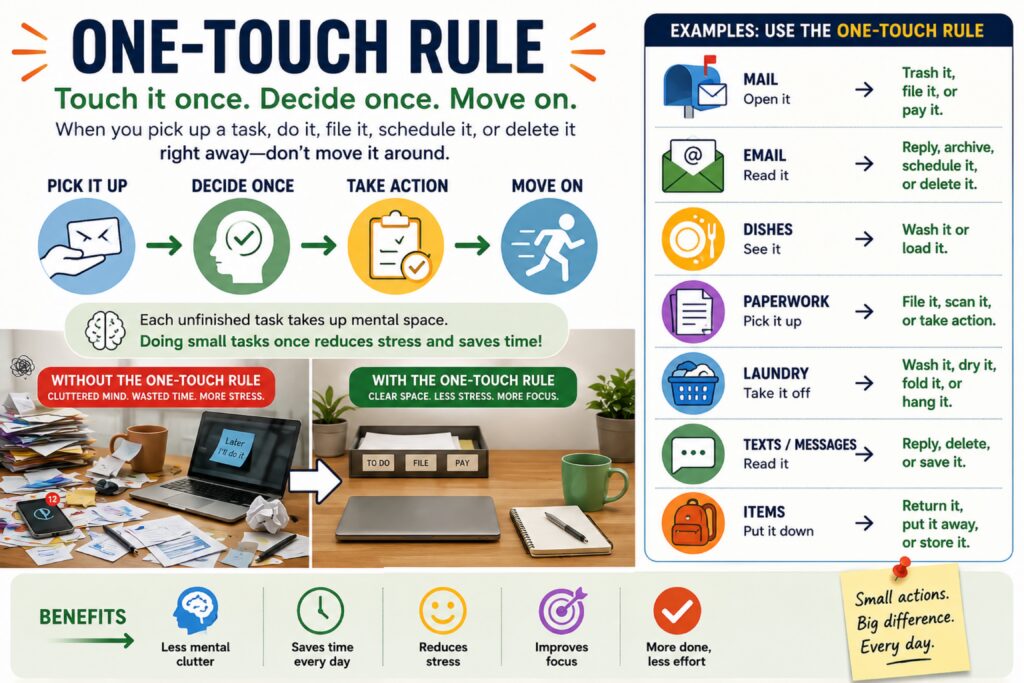
A simple productivity life hack gaining attention is the One-Touch Rule: when...
A simple productivity life hack gaining attention is the One-Touch Rule: when you pick up a small task, finish it, file it, schedule it, or delete it right away instead of moving it from place to place.
This applies to mail, emails, receipts, laundry, dishes, paperwork, text messages, and small chores. The goal is to prevent “task clutter” from piling up mentally and physically.
Why it matters now:
With constant notifications, work messages, online bills, subscriptions, and household responsibilities, people are overwhelmed by tiny unfinished tasks. Each unfinished item takes up mental space. Handling small tasks once reduces stress and saves time.
Examples:
Open mail → trash, file, or pay it.
Read an email → reply, archive, or schedule it.
See a dish → wash it or load it.
Take off a jacket → hang it instead of dropping it.
Life Hack Takeaway:
Touch it once. Decide once. Move on.
'Namaste BHU' Mobile App Safety Feature
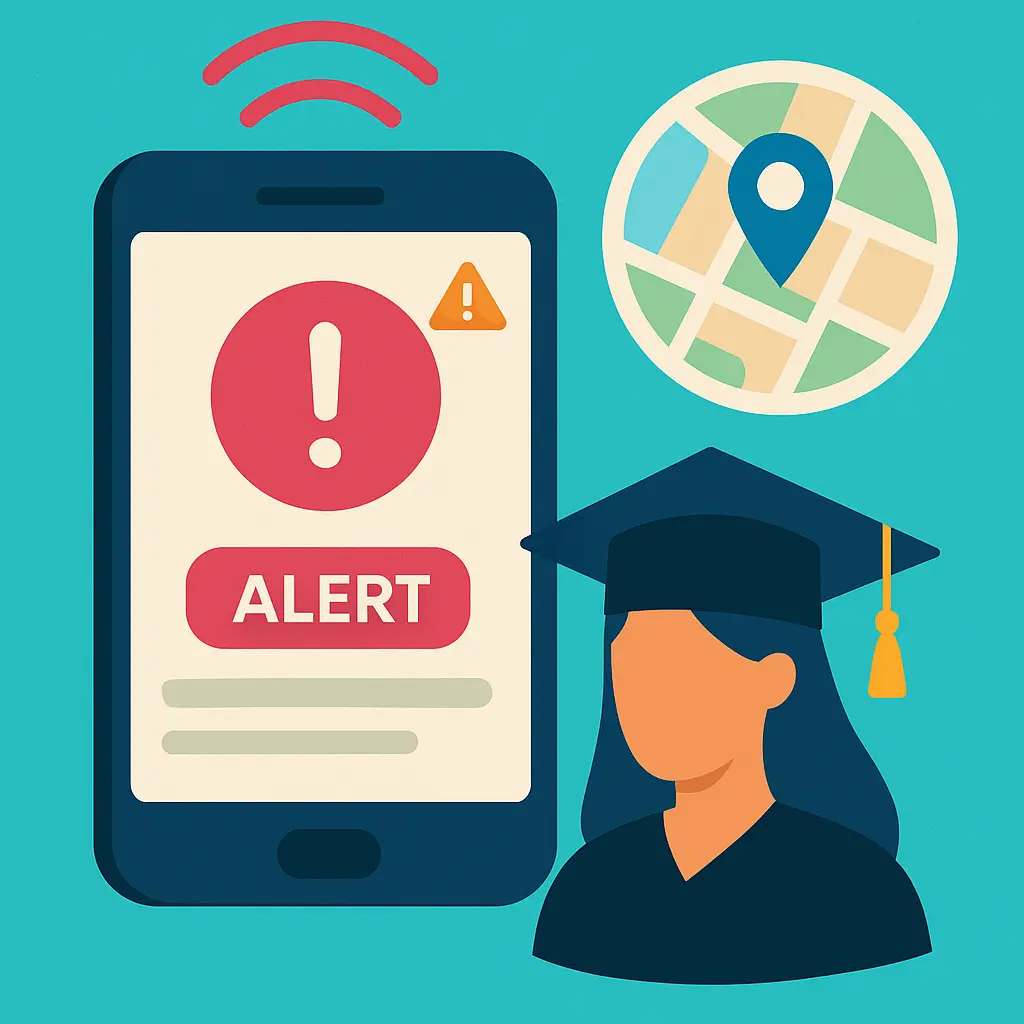
In September 2025, Banaras Hindu University (BHU) launched a new safety feature...
In September 2025, Banaras Hindu University (BHU) launched a new safety feature integrated into its 'Namaste BHU' mobile app, offering a lifesaving emergency alert system exclusively for female students. Activated with a quick tap, the safety button sends real-time location and personal details to the university’s Proctorial Board control room, while also offering options to call for help or trigger a loud audible alert. A dedicated nine-member team monitors the system, ensuring swift responses.
This innovation demonstrates the power of mobile tech to enhance campus safety in vulnerable situations, and serves as a scalable model for other institutions.
paloalto.gov
timesofindia.indiatimes.com
Why It Matters & What You Can Do
Immediate support: Simple to use tech delivers faster, coordinated emergency responses.
Roll it out: Advocate for similar safety button features in apps across campuses, workplaces, or communities.
Raise awareness: Share the initiative with peers, safety officers, and school administrators.
Stay involved: Provide feedback to improve the system over time.

Pong
Released in 1972 by Atari, Pong was the first commercially successful video...
Released in 1972 by Atari, Pong was the first commercially successful video game. Designed by Allan Alcorn as a training exercise, it simulated table tennis with simple two-dimensional graphics. The game’s popularity helped establish the video game industry, with its first arcade machine installed in Andy Capp’s Tavern in Sunnyvale, California

Quenching Your Thirst
Thinking about grabbing soda or a sports drink to quench your thirst?
...
Thinking about grabbing soda or a sports drink to quench your thirst?
Hold that thought!
There's a much cooler, all natural option that's been hydrating people for centuries “Pure coconut water”. It's the clear liquid straight from a young green coconut, and it's not just a trendy drink it's a powerhouse of natural goodness that your body will thank you for.
One of the biggest reasons to reach for coconut water is its incredible ability to hydrate and replenish electrolytes. It's naturally loaded with key minerals like potassium, sodium, magnesium, and calcium. We lose these vital minerals when we sweat, and coconut water does a fantastic job of putting them back. In fact, it's particularly rich in potassium, a mineral crucial for keeping your heart, nerves, and muscles working properly. That's why it's a perfect post workout drink after light exercise or a great way to rehydrate on a hot day.
Beyond hydration, this tropical elixir brings a lot more to the table. For one, it's a great option if you're watching your sugar and calorie intake. Unlike many bottled juices and sodas, pure coconut water is naturally low in both. Just be sure to check the label to make sure you're getting the pure stuff without any added sugars. It also contains antioxidants, which help protect your cells from damage, and some research suggests its high potassium content may even help support heart health by managing blood pressure.
So, the next time you're looking for a refreshing drink, skip the sugary options and give pure coconut water a try. It’s light, subtly sweet, and packed with the electrolytes and nutrients you need to feel your best. It's a simple, delicious way to give your body a boost, straight from nature's own source.
The “Sunday Reset” Routine Is Helping People Start the Week With Less Stress and More Control
Productivity experts, professional organizers, and wellness coaches are...
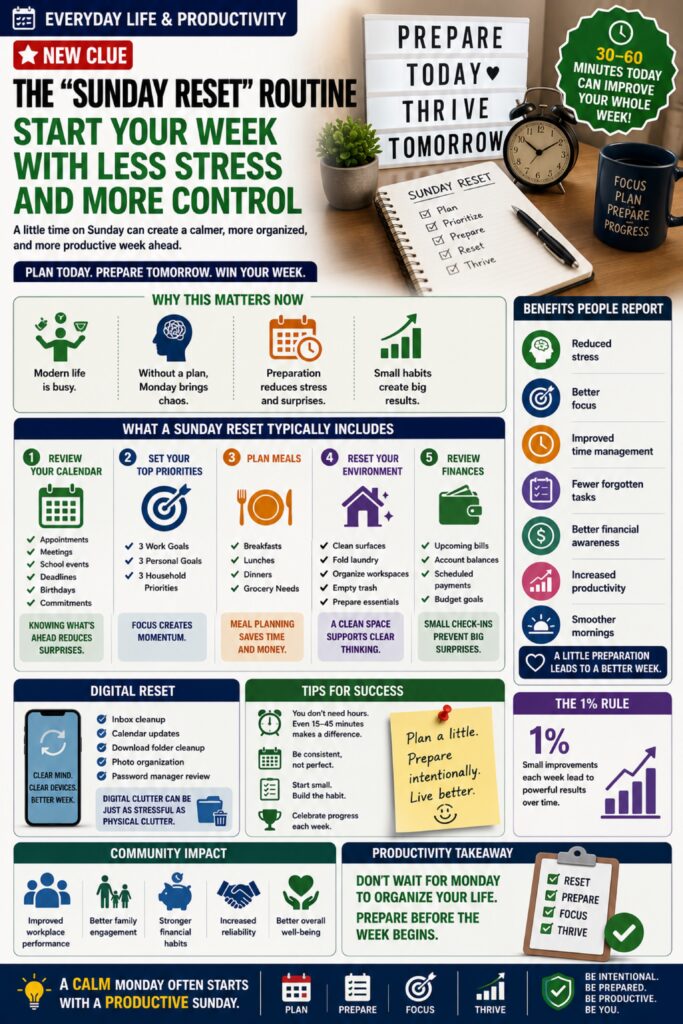
Productivity experts, professional organizers, and wellness coaches are increasingly recommending a simple habit known as the Sunday Reset.
Rather than waiting until Monday morning to react to the week’s demands, the Sunday Reset involves spending 30–60 minutes preparing your home, schedule, finances, meals, and priorities before the new week begins.
The goal isn’t to work all weekend.
The goal is to eliminate Monday chaos.
Many people report that a small amount of preparation on Sunday creates a calmer, more organized, and more productive week overall.
📅 Why This Matters Now
Modern schedules are busier than ever.
People juggle:
* Work responsibilities
* School activities
* Household tasks
* Family commitments
* Appointments
* Financial obligations
* Personal goals
Without a plan, Monday often begins with:
* Last-minute decisions
* Missed deadlines
* Forgotten appointments
* Unnecessary stress
The Sunday Reset helps reduce that uncertainty.
🧠 The Hidden Cost of Starting Unprepared
When the week begins without a plan, many people experience:
* Decision fatigue
* Increased anxiety
* Missed opportunities
* Reduced productivity
* Time wasted searching for information
* Difficulty prioritizing tasks
A little preparation can prevent many small problems from becoming larger ones.
✅ What a Sunday Reset Typically Includes
📋 Review Your Calendar
Check:
* Appointments
* Meetings
* School events
* Deadlines
* Birthdays
* Commitments
Knowing what’s ahead reduces surprises.
🎯 Set Your Top Priorities
Identify:
* 3 important work goals
* 3 personal goals
* 3 household priorities
Focus creates momentum.
🍽️ Plan Meals
Decide:
* Breakfasts
* Lunches
* Dinners
* Grocery needs
Meal planning often saves both time and money.
🧺 Reset Your Environment
Spend a few minutes:
* Cleaning surfaces
* Folding laundry
* Organizing workspaces
* Emptying trash
* Preparing frequently used items
A cleaner environment often supports clearer thinking.
💰 Review Finances
Check:
* Upcoming bills
* Account balances
* Scheduled payments
* Budget goals
Small financial check-ins help prevent larger financial surprises.
📱 Digital Reset
Many people also include:
* Inbox cleanup
* Calendar updates
* Download folder cleanup
* Photo organization
* Password manager review
Digital clutter can become just as stressful as physical clutter.
🚀 Benefits People Report
Those who consistently perform weekly resets often notice:
✔ Reduced stress
✔ Better focus
✔ Improved time management
✔ Fewer forgotten tasks
✔ Better financial awareness
✔ Increased productivity
✔ Smoother mornings
⏰ You Don’t Need Hours
A successful reset doesn’t require an entire day.
Even:
* 15 minutes
* 30 minutes
* 45 minutes
Can dramatically improve the week ahead.
Consistency matters more than perfection.
🌎 Community Impact
When people are organized and less stressed, communities benefit through:
* Improved workplace performance
* Better family engagement
* Stronger financial habits
* Increased reliability
* Better overall well-being
Small habits often create large long-term results.
💡 The 1% Rule
The Sunday Reset isn’t about becoming perfectly organized.
It’s about becoming slightly more prepared each week.
Small improvements compound over time.
🎯 Productivity Takeaway
Don’t wait for Monday to organize your life.
Prepare before the week begins.
Remember:
A calm Monday often starts with a productive Sunday.
📅✅🏡📈 Reset. Prepare. Focus. Thrive.

Clean Green
Ever get a headache from the smell of a freshly scrubbed bathroom? Or worry...
Ever get a headache from the smell of a freshly scrubbed bathroom? Or worry about your curious pet licking up a spill of floor cleaner? We’ve all been there. For years, we've associated that strong, chemical scent with "clean." But what if a truly clean home didn't have to come at the expense of your health or the environment? Making the switch to eco-friendly cleaning products isn't just a trend; it’s a simple, powerful change you can make for a healthier life.
It's about more than just a green colored label. True eco-friendly products are different from conventional cleaners in a few key ways. They skip the stuff that can irritate your skin, mess with your breathing, or harm aquatic life, like phosphates, chlorine, and ammonia. Instead, they use ingredients from plants and minerals that are much safer for your family, pets, and the planet. When these cleaners go down the drain, their ingredients break down naturally without polluting our waterways. That’s a huge win for marine life and our ecosystems. Many green brands also use concentrated formulas, so you just add water. This means less plastic packaging and a smaller carbon footprint from shipping lighter products. Plus, many brands offer refillable bottles, so you can reuse the same container over and over.
A Cleaner Home, a Healthier You!
Think about it, the air in your home is what you and your family breathe every single day. By using non-toxic products, you're not just cleaning surfaces you're improving your indoor air quality. This is especially important for households with young children, people with allergies or asthma, and pets who spend their lives close to the floor. You can finally clean with confidence, knowing you aren't leaving behind any harmful residue.
You don't need to empty your cleaning cabinet all at once. Start by reading the labels. Look for certifications like EPA Safer Choice or the Leaping Bunny logo, which means the product is cruelty-free. These labels are your signal that a product meets high standards for safety and effectiveness.
You can also try a DIY solution. You’d be amazed at what a simple mix of vinegar, baking soda, and a little essential oil can clean. These common ingredients can tackle everything from greasy counters to clogged drains. Another option is to find a brand you love. There are so many amazing companies now that are transparent about their ingredients and committed to sustainability. Do a quick search online, or check out your local grocery store's natural products section. Switching to eco-friendly cleaning products is a simple step with a huge impact. It’s about creating a space that feels truly clean and safe, from the air you breathe to the surfaces you touch.
What do you clean your home with?
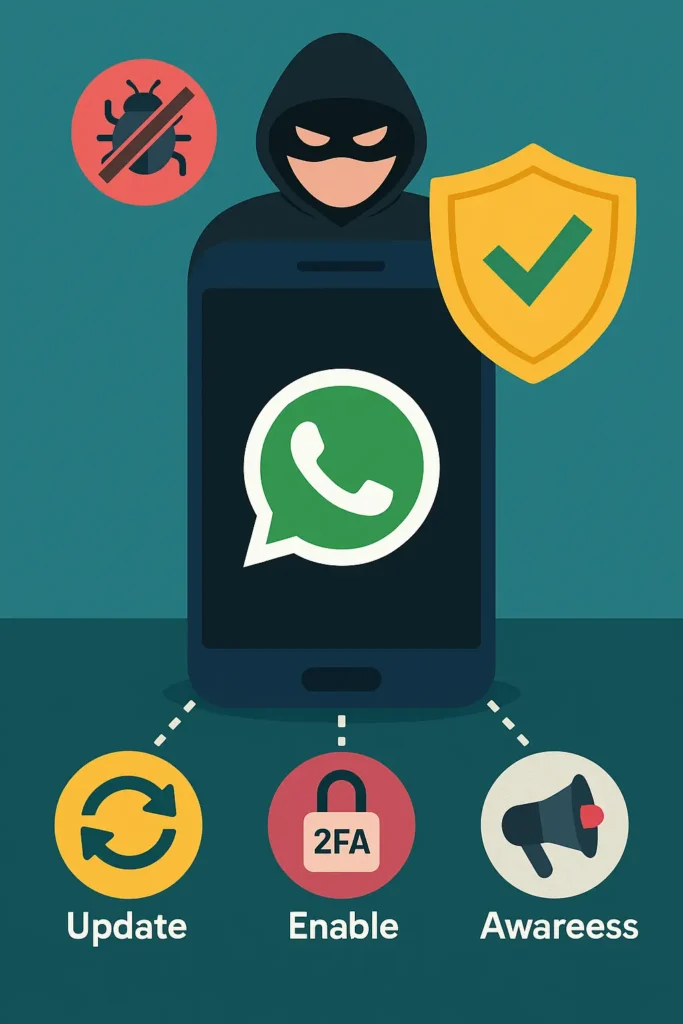
WhatsApp Cyberespionage Campaign Aug 2025
In late August 2025, WhatsApp identified a highly sophisticated hacking campaign...
In late August 2025, WhatsApp identified a highly sophisticated hacking campaign that exploited a chain of vulnerabilities in its app and Apple devices, potentially targeting fewer than 200 individuals, including members of civil society organizations. Both iPhone and Android users may have been affected. WhatsApp has since released patches for the vulnerabilities. To protect yourself: ensure your app and device software are fully up to date, avoid clicking unexpected links, enable two-factor authentication (2FA), and scan your device via trusted cybersecurity tools. Let's also share this alert within our communities to increase awareness and vigilance.
Why It Matters & What You Can Do:
- Protect your privacy: These are not ordinary phishing attempts—they target sensitive individuals.
- Take action: Regularly check for app and OS updates, and apply them promptly.
- Add security layers: Enable 2FA on WhatsApp and equivalent platforms.
- Collaborate: Spread awareness among peers and encourage digital safety habits.
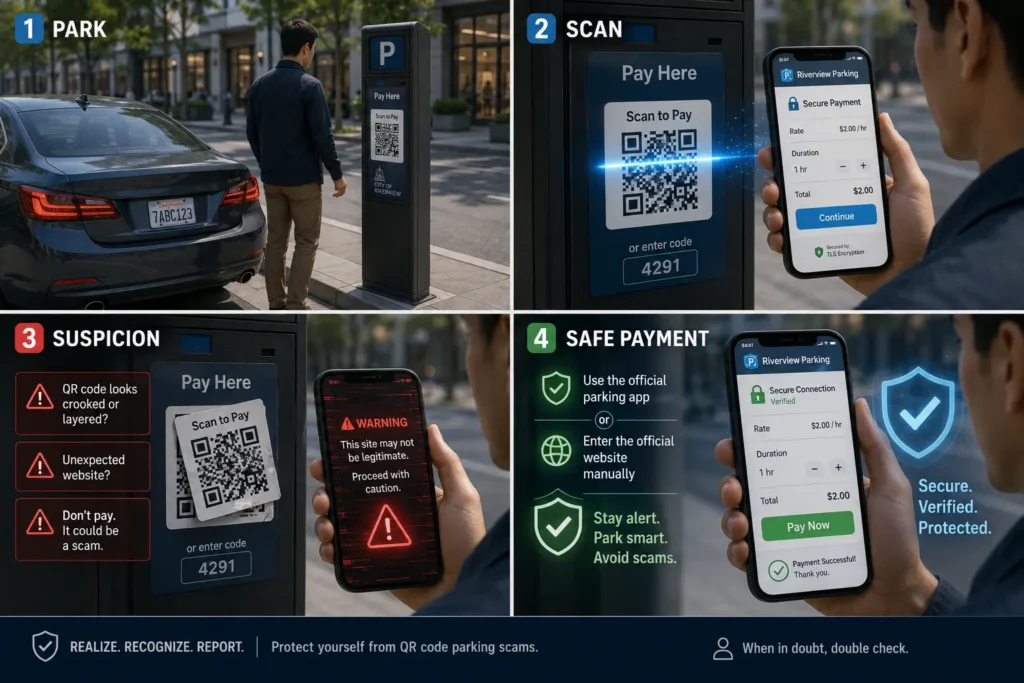
Fake Parking Ticket QR Codes Are Appearing on Cars — Scammers Are Targeting Drivers Digitally
Communities in multiple cities are reporting an increase in fake parking tickets...
Communities in multiple cities are reporting an increase in fake parking tickets and fraudulent QR code stickers being placed on vehicles, parking meters, and public pay stations. These scams are designed to trick drivers into scanning a code that leads to a fake payment page where criminals can steal credit card information, login credentials, or personal data.
In many cases, the fake QR codes are carefully placed over legitimate payment systems, making them difficult to notice at first glance. Some scammers also leave realistic-looking “violation notices” on windshields that pressure drivers to pay immediately to avoid additional fines or towing.
Because QR code payments have become common for parking apps, transit systems, and digital receipts, many people scan without closely checking the destination link. Criminals are exploiting that trust.
🚨 Why This Matters Now
As cities continue modernizing parking systems and reducing physical kiosks, QR code payment systems are becoming more widespread. At the same time, mobile payment usage has surged, creating new opportunities for scammers to target drivers quickly and anonymously.
Large public events, downtown areas, tourist zones, transportation hubs, and college campuses are especially vulnerable because drivers are often distracted, rushed, or unfamiliar with local parking systems.
⚠️ Common Warning Signs
- QR code stickers placed unevenly or layered over another code
- Payment pages with unusual URLs or misspelled web addresses
- Requests for unnecessary personal information
- Urgent language demanding immediate payment
- Websites lacking secure payment indicators
- “Violation notices” without official city branding or contact details
🛡️ Critical Safety Guidance
- Always inspect QR codes before scanning them.
- Compare suspicious stickers to nearby official parking signs or meters.
- Use official parking apps downloaded directly from app stores whenever possible.
- Manually type the official website if unsure.
- Avoid entering payment information on unfamiliar websites opened through QR scans.
- Report suspicious stickers or fake notices to parking authorities or local law enforcement.
🏙️ Community Impact
These scams affect not only individual victims but also public trust in digital payment systems. Fraudulent parking schemes can lead to stolen financial information, unauthorized charges, and identity theft. In busy cities, a single fake QR code can target dozens or even hundreds of drivers in one day.
As communities increasingly rely on contactless payment technology, public awareness becomes one of the strongest defenses against digital fraud.
🔍 Safety Takeaway
Before you scan, pause and inspect. A quick look at a QR code or payment link can prevent financial loss and identity theft.