
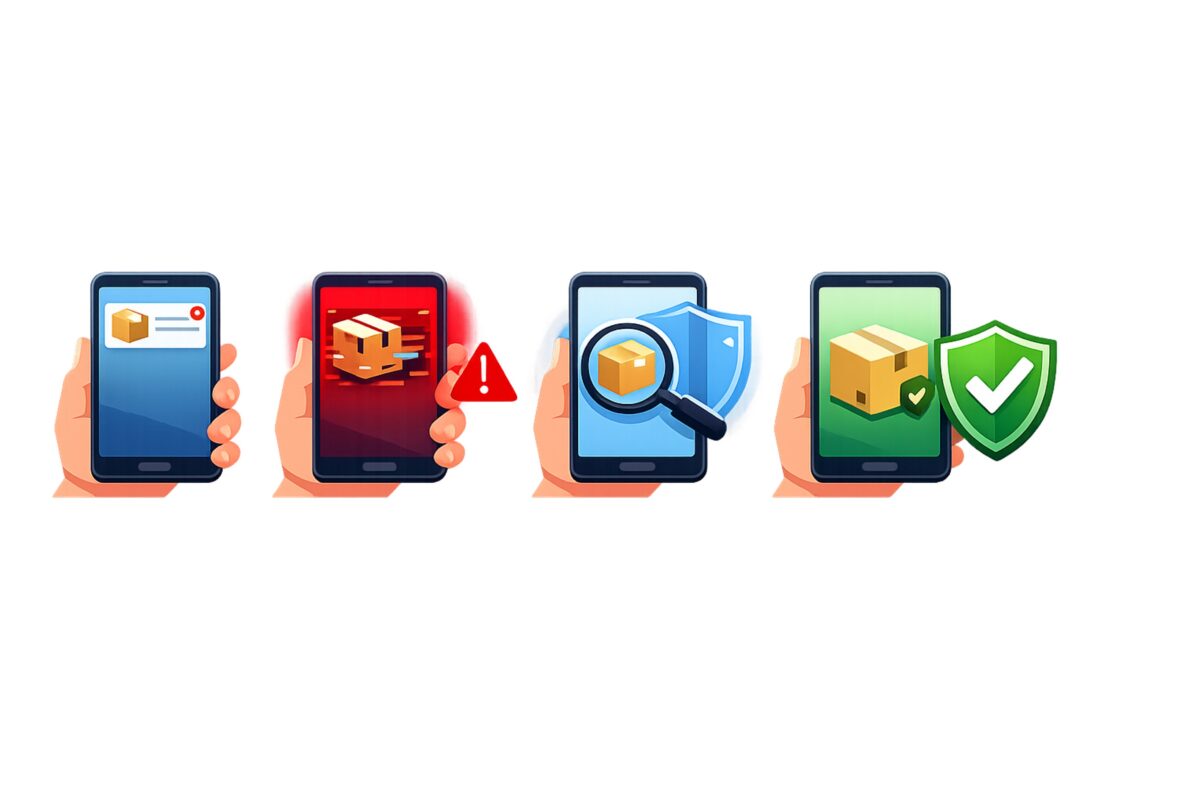
Communities across the country are reporting a significant increase in fake package delivery notifications sent through text messages, emails, and messaging apps. These messages often claim that a package could not be delivered, requires address verification, has unpaid shipping fees, or is waiting for pickup.
At first glance, these notifications appear legitimate. They may use company logos, professional formatting, tracking numbers, and urgent language designed to create concern. The goal is simple: convince the recipient to click a fraudulent link.
Once clicked, victims may be directed to a fake website that requests:
* Credit card information
* Personal identification details
* Account login credentials
* Banking information
* Payment for fake shipping fees
Some websites also attempt to install malware or collect information that can later be used for identity theft and financial fraud.
🚨 Why This Matters Now
Online shopping, food delivery services, subscription boxes, and same-day shipping continue to grow. As more people receive packages regularly, scammers are exploiting the fact that many recipients are often expecting a delivery.
Criminals know that when someone receives a message claiming there is a problem with a package, they are more likely to react quickly without verifying the source.
These scams frequently increase during:
* Holiday shopping seasons
* Major sales events
* Back-to-school periods
* Tax refund season
* Severe weather disruptions affecting deliveries
⚠️ Common Warning Signs
* Messages from unfamiliar phone numbers or email addresses
* Links that do not match the official delivery company’s website
* Requests for small “redelivery” or “processing” fees
* Urgent warnings that a package will be returned immediately
* Spelling errors, awkward wording, or unusual formatting
* Requests for passwords, account credentials, or financial information
🛡️ Critical Safety Guidance
* Never click links in unexpected delivery messages.
* Verify package status directly through the retailer or official delivery app.
* Type official websites into your browser manually instead of using provided links.
* Enable package tracking notifications through trusted retailer apps.
* Use multifactor authentication on shopping and email accounts.
* Report suspicious messages as spam or phishing attempts.
🏘️ Community Impact
Delivery scams affect people of all ages, but seniors and individuals who frequently shop online are often targeted most aggressively. Beyond financial losses, victims may spend months resolving identity theft issues, replacing cards, changing passwords, and recovering compromised accounts.
These scams also reduce public trust in legitimate delivery notifications, making it harder for consumers to distinguish between genuine updates and fraudulent messages.
📱 What To Do If You Clicked a Suspicious Link
If you accidentally click a suspicious delivery link:
* Close the website immediately.
* Do not enter any information.
* Run a security scan on your device.
* Change passwords for affected accounts.
* Monitor bank and credit card activity.
* Contact your financial institution if payment information was entered.
Acting quickly can significantly reduce potential damage.
🔍 Safety Takeaway
A legitimate package company will never pressure you into making immediate payments through random text links. When a delivery message creates urgency, pause, verify, and confirm through official channels before taking action.
Remember:
Track through trusted apps, not unexpected links. A few seconds of verification can prevent months of fraud recovery. 🚚🛡️📦