
Let’s be honest, we’ve all been there whether you’re trying to get a nice tan or you accidentally forgot the sunscreen and ended up a lobster. But what’s actually going on with your skin? It’s all about ultraviolet (UV) radiation, and your body has some pretty cool ways of reacting to it.
A sunburn isn’t just a little red mark, it’s your skin’s emergency alarm going off! It’s basically a burn caused by too much UV light, specifically the UVB rays. When these rays hit your skin, they can damage the DNA in your skin cells. Your body rushes in to fix the problem, which is what causes all that redness, heat, and pain. It’s a loud and clear sign that your skin is hurt.
On the flip side, a suntan is your body’s way of building up its natural protection. When you’re out in the sun, UVA rays activate special cells called melanocytes. These little guys create a pigment called melanin, which is what gives your skin its color. Think of melanin as a natural shield that absorbs UV rays to protect the deeper layers of your skin. So, a tan isn’t just a healthy glow, it’s your skin’s defense mechanism in action!
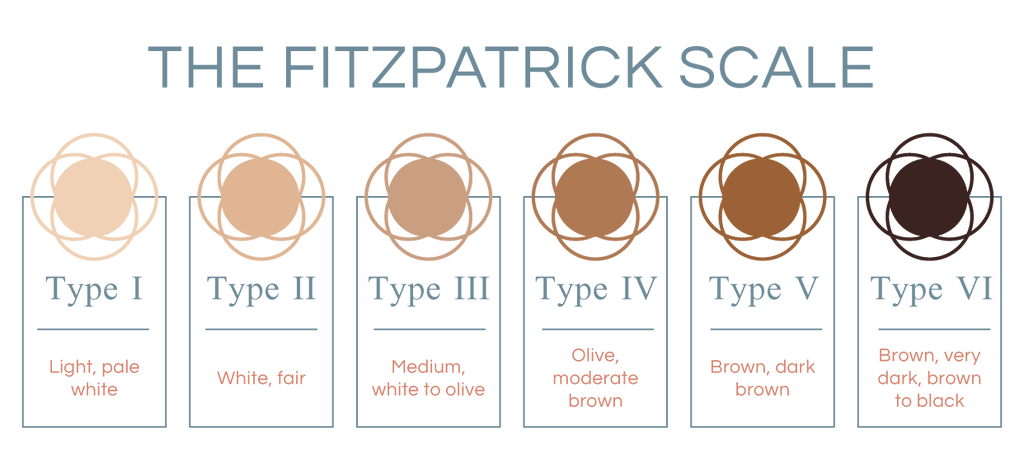
How your skin handles the sun depends on how much melanin you naturally have. The Fitzpatrick scale is a handy guide that classifies skin into six types based on how it reacts to the sun. It’s your skin’s superpower.
When you spend time in the sun, you’re exposing your skin to ultraviolet (UV) radiation. There are two main types of UV rays that reach us: UVA and UVB. Both can affect your skin in different ways, leading to either a sunburn or a suntan. ☀️
A sunburn is basically a radiation burn. It’s your skin’s emergency response to too much UV exposure. UVB rays, in particular, are the main culprits. When they hit your skin, they can damage the DNA in your skin cells. This damage triggers your body to send an army of immune cells to the area to start repairs. The redness, heat, and pain you feel are all part of this inflammatory response. It’s a clear sign that your skin has been injured.
A suntan, on the other hand, is your body’s attempt to protect itself from future sun damage. When your skin is exposed to UVA rays, special cells called melanocytes are activated. These cells produce a pigment called melanin. Melanin is the brown pigment that gives your skin its color, and it works like a natural shield, absorbing UV radiation to protect the deeper layers of your skin. A tan is essentially your skin’s defense mechanism kicking into high gear.
Your personal reaction to the sun whether you burn, tan, or both depends on the amount of melanin in your skin. Scientists use the Fitzpatrick scale to classify skin into six types based on how it responds to the sun.
Type I: Pale white skin, red or blond hair. This skin always burns and never tans.
Type II: Fair skin, blue or green eyes. This skin burns easily and tans with difficulty.
Type III: Darker white or light brown skin. This skin sometimes burns but gradually tans.
Type IV: Light brown or olive skin. This skin burns minimally and tans easily.
Type V: Brown skin. This skin rarely burns and tans very easily and darkly.
Type VI: Dark brown or black skin. This skin never burns and always tans darkly.
No matter your skin type, UV radiation can still cause long-term damage like premature aging and an increased risk of skin cancer. Even if you tan easily, that tan is still a sign of damage. That’s why protecting your skin is so important, regardless of your complexion!