Categories
Community Alerts and Safety

Beat the Heat: Surviving a Heat Wave

We all love summer, but when a heat wave strikes, the weather goes from “beach day” to dangerous incredibly fast. Extreme heat is actually one of the leading weather-related killers, yet many of us don’t take it seriously enough until we are already feeling sick.

Let’s get a clue on how to spot the red flags of heat illness, and exactly what to do (and what not to do) when the mercury rises.

The Big Red Flags: Heat Exhaustion vs. Heat Stroke

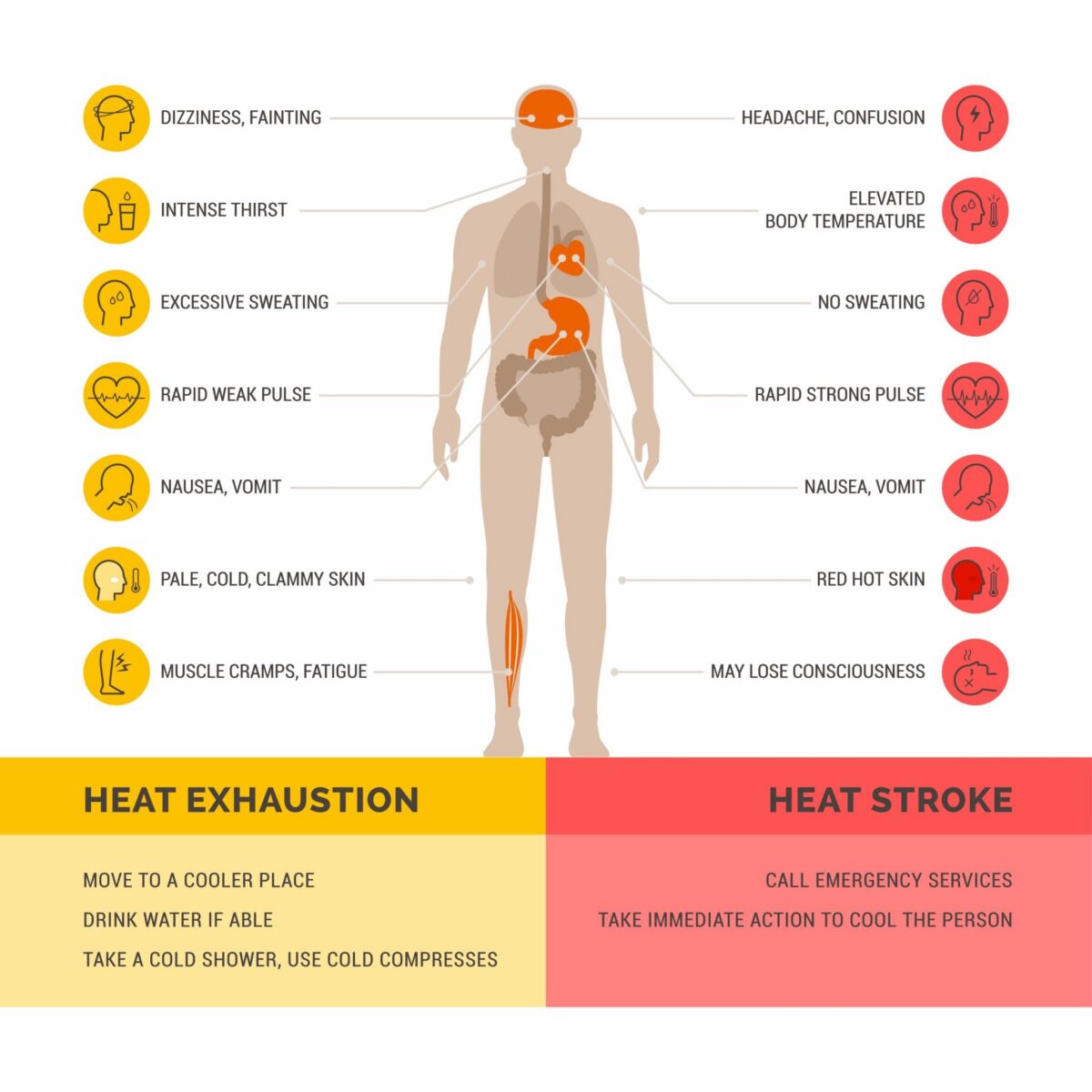
Your body cools itself by sweating, but when it’s too hot or humid, that built-in air conditioner can fail. This leads to two main stages of heat illness: Heat Exhaustion (the warning phase) and Heat Stroke (a true medical emergency).

Understanding the visual differences between these two states can quite literally save a life.

Heat Exhaustion: The person is sweating heavily, has pale, cold, clammy skin, and might feel faint or nauseous. Their body is struggling, but still trying to fight the heat.

Heat Stroke: This happens when the body’s internal temperature spikes past 103°F (39.4°C). The skin becomes red, hot, and completely dry (sweat stops). Most importantly, they will experience confusion, dizziness, or even loss of consciousness. If you see these signs, call 911 immediately.

The “Do’s” and “Don’ts” of Heat Wave Safety
When the thermometer pushes into triple digits, how you react matters. Here is your quick checklist of what to prioritize and what to avoid entirely.

What to DO:

Drink before you are thirsty: By the time you feel thirsty, you are already slightly dehydrated. Sip water or electrolyte-rich drinks consistently throughout the day.

Find AC or public cooling centers: If your home doesn’t have air conditioning, spend the hottest parts of the day at a library, mall, or community cooling center. Just a few hours in AC can drastically reduce your body’s heat stress.

Check on high-risk neighbors: Check in twice a day on elderly neighbors, friends with chronic illnesses, or those who live alone to ensure they are keeping cool.

Dress like you’re in the tropics: Wear loose, lightweight, light-colored clothing. Dark colors absorb heat, and tight clothes trap it against your skin.

What NOT to Do:

Don’t rely solely on electric fans in extreme heat: When temperatures climb above 95°F (35°C), blowing hot air across your skin actually heats you up faster rather than cooling you down. Use wet towels or cool showers instead.

Don’t leave anyone in a parked car: Not even for “just a minute,” and not even with the windows cracked. A car’s interior can heat up by 20 degrees in just 10 minutes, making it a death trap for children and pets.

Don’t drink alcohol or heavy caffeine: Both of these are diuretics (substances that make you pass fluids faster), which accelerate dehydration. Stick to water or sports drinks.

Don’t exercise at noon: Save your outdoor workouts, heavy yard work, or long walks for early dawn or late dusk when the sun’s rays are least direct.

Stay safe, keep hydrated, and help your community stay cool this summer!

Categories
Community Alerts and Safety

Protecting Our Pets: The Hidden Dangers of Summer Heat Waves

Our pets love a good sunny day just as much as we do, but when a summer heat wave hits, the outdoor world becomes dangerous for them incredibly fast. Because dogs and cats don’t sweat through their skin the way humans do, they have a much harder time regulating their body temperature. Dogs rely almost entirely on panting to release heat, which becomes highly inefficient when the air around them is thick, hot, and humid. Because our furry companions can’t tell us when they are pushing past their limits, it is up to us to get a clue, recognize the subtle warning signs of heat stress, and adjust our routines to keep them safe.

Catching the early red flags of a heat-related illness can quite literally be a lifesaver. You should monitor your pet closely during high temperatures for frantic, heavy panting that sounds harsh or loud, along with excessive drooling of thick, ropey saliva. Another clear warning sign is the color of their gums; lifting your dog’s lip should reveal a healthy pink, so if you see bright red, dark purple, or completely pale, dry gums, their circulatory system is in serious trouble. If the heat stress progresses, pets will become lethargic, stumble, appear disoriented, or even begin vomiting, which are major indicators of heat stroke that require immediate veterinary attention.

If you ever need to cool down an overheating pet, the method you use matters just as much as how fast you act. You should apply cool or lukewarm water to their belly, armpits, and paw pads, or wrap them in damp towels while running a fan nearby. It is a common instinct to reach for ice or submerge an overheated dog in an ice-filled bath, but this is actually highly dangerous. Ice-cold water causes the blood vessels near the surface of the skin to constrict sharply, which effectively traps the intense heat inside their vital organs and makes the internal heat stroke even worse. Stick to cool water and call your vet immediately while you work on lowering their temperature.

Beyond the air temperature, summer brings a massive hidden hazard right to the ground we walk on. Asphalt and concrete absorb and retain an incredible amount of solar energy, meaning that on a sunny 85°F day, the pavement can easily skyrocket to a scorching 130°F. This is hot enough to severely burn and blister a dog’s sensitive paw pads in just a few minutes of walking. Before heading outside, always perform the seven-second test by pressing the back of your bare hand firmly against the pavement. If you cannot comfortably keep it there for a full seven seconds, it is far too hot for your pet, and you should shift your walks to the grass or wait until the early morning or late evening when the ground has cooled.

Keeping pets safe during a heat wave also means avoiding a few common summer mistakes that well-meaning owners often make. First, you should never shave a double-coated dog breed, such as a Husky, Shepherd, or Golden Retriever, because their dense undercoat actually acts as a natural insulation system that keeps them cool in the summer and protects their skin from severe sunburn. Second, if you leave the house for errands, always leave the air conditioning running at a safe temperature for the pets staying behind, and absolutely never leave a pet inside a parked car. Even with the windows cracked on a mild day, a vehicle’s interior acts like a greenhouse, soaring past 100°F in a mere ten minutes and creating a fatal trap before you even realize it.

Categories
Community Alerts and Safety

When the Ocean Roars!

Listen up, folks. If you live anywhere near the coast, you know a Nor’easter in the rain-and-wind category is a serious event. We’re talking relentless, sideways rain, wind that makes your house groan, and ocean waves powerful enough to cause severe flooding and erosion right where the beach used to be. You can’t stop the storm, but you can absolutely control how ready you are. Your safety depends on preparation, not luck.

Phase 1: Pre-Storm Prep is Your Best Defense

This is the most critical time before that first gust hits. First, build a comprehensive Emergency Kit. You need at least a three-day supply of water and non-perishable food. Don’t forget flashlights, extra batteries, and a trusty battery-powered radio to grab alerts if the power goes dark. Next, you need to look outside. Every piece of outdoor furniture, grill, or loose trash can is a potential missile; bring it in or secure it tightly. Clear those gutters! That incoming rain needs a fast, clear path away from your foundation. Finally, charge every phone, laptop, and power bank you own, and always top off your car’s gas tank.

Phase 2: Stay Safe While the Storm Rages
Once the weather turns ugly, your job is simple: Stay Indoors and Stay Put. Avoid any travel; coastal roads can flood rapidly, and strong winds make driving incredibly dangerous. Stay away from windows; they’re the weak spots in a high-wind event. If the lights go out, use flashlights, not candles. If you need a generator, it must be placed outside and far away from any windows or doors. I can’t stress this enough: using a grill or gas stove indoors for heat is a fatal mistake that’s how people succumb to silent, odorless carbon monoxide poisoning. And if you see floodwaters? “Turn around, don’t drown.” It’s the simplest, most important rule.

Phase 3: Caution After the Coast is Clear
The danger doesn’t vanish just because the sun peeks out. Be extremely wary of the aftermath. The biggest threat? Downed power lines. Assume every single one is live and lethal. Report it, and keep everyone away. Before re-entering any part of your home that might have flooded, check for structural damage. Take photos of everything for your insurance documentation.

And finally, take a moment to be a good neighbor. Check on elderly residents or those who live alone; a friendly face and a quick check-in can make a huge difference after a nasty storm.

Now you’re armed with the essentials. Stay smart, stay safe, and you’ll weather this just fine.

Categories
Food and Drinks

Go Bananas for Your Health: The Incredible Benefits of This Humble Fruit

Forget the fancy, expensive “superfoods” the real hero of the produce aisle is the humble banana. This yellow wonder isn’t just a convenient, peel-and-eat snack; it’s a nutritional powerhouse wrapped in its own perfect packaging. I mean, seriously, what other fruit can you grab on your way out the door that consistently delivers so much goodness? We’re talking about a fruit endorsed by the American Medical Association nearly a century ago! Whether you blend it, slice it over cereal, or just eat it plain, here’s why you should be reaching for a banana every single day!
If you want to keep that ticker strong, you need to talk about potassium, and bananas are practically royalty in this department. Potassium is a crucial electrolyte that works tirelessly to keep your heart beating regularly and your muscles contracting smoothly. More importantly, it’s the anti-sodium crusader! A diet rich in potassium helps your body flush out excess sodium, which can dramatically help lower your blood pressure and ease the strain on your blood vessels. Think of it as a natural, edible blood pressure regulator and all you have to do is peel and enjoy. A medium banana gives you around 422 mg of potassium, making it a truly heart-smart snack.
Bananas are legendary for being gentle on the stomach, which is why they are often the first thing doctors recommend after a stomach bug. They contain a great mix of soluble and insoluble fiber, which not only keeps your bowels happy and regular but also makes you feel fuller for longer. But here’s the cool part: bananas are a fantastic source of prebiotics. These are special fibers that don’t get digested in your stomach; they travel to your large intestine where they act as food for the good bacteria already living there. So, by eating a banana, you’re essentially running a five-star restaurant for your gut microbes, improving overall digestive health and boosting your immunity!
Ask any athlete what they grab before a race, and there’s a good chance they’ll say a banana. Why? Because it’s the perfect fuel source. The natural sugars (glucose, fructose, and sucrose) give you a quick, clean burst of energy, while the fiber ensures that energy is released steadily, preventing that nasty sugar crash. And if you’ve ever had a killer cramp mid-run, you know why bananas are a post-workout essential, too! The high potassium content is key to replenishing the electrolytes lost in sweat and helping to prevent those painful muscle cramps. It’s the ultimate, all-natural pre- and post-gym partner.
While potassium gets all the glory, don’t overlook the impressive vitamin lineup. Bananas are exceptionally high in Vitamin B6, a nutrient essential for converting the food you eat into energy, supporting brain function, and producing red blood cells. You also get a solid dose of Vitamin C, which acts as an antioxidant to fight off damage and supports collagen production for glowing skin. Plus, there’s manganese and magnesium thrown into the mix, contributing to strong bones and a balanced mood. It’s a surprisingly well-rounded nutritional profile for such an uncomplicated, everyday fruit.
So, next time you see a bunch of bananas, give them the respect they deserve. They truly are a powerhouse of simple, accessible health! What’s your favorite way to eat a banana sliced on toast, blended in a smoothie, or just as nature intended?

Categories
Health, Wellness and Medicine

Drunk Brain

Ever pulled an all-nighter and felt completely off? You might describe it as groggy, slow, or just plain out of it.

But here’s a wild thought what if that feeling is actually your brain acting drunk?

Science says it’s remarkably similar, and the term for it is sleep deprivation impairment. It turns out, skipping sleep can mess with your head in ways that mirror a few too many drinks.

Think about it when you’re sleep-deprived, your judgment gets fuzzy, your reaction time slows to a crawl, and your ability to focus takes a nosedive.

Sound familiar?

That’s exactly what happens when alcohol gets involved. Your brain’s prefrontal cortex, the VIP section for decision-making and impulse control, takes a hit, making you prone to bad choices. Studies have even quantified this startling similarity, showing that staying awake for a full 24 hours can leave you with cognitive impairments equivalent to having a blood alcohol content (BAC) of 0.10% that’s above the legal driving limit in most places!

So, next time you’re tempted to burn the candle at both ends, remember that your brain isn’t just “tired”; it’s operating under a kind of self-induced intoxication. Prioritizing sleep isn’t just about feeling rested; it’s about staying sharp, making good decisions, and keeping your mind as clear as if you’d responsibly avoided that extra happy hour.

Give your brain the rest it deserves, and you’ll avoid that unwanted “drunk” feeling without ever touching a drop.

Categories
Education and Learning

Dying of Laughter

Ever heard the phrase “dying of laughter”?

Turns out, it’s not just a figure of speech.

While incredibly rare, people have actually passed away from a severe laughing fit. But here’s the grim little twist it wasn’t the joy that got them. The culprit was the extreme physical stress laughter puts on the body, which can lead to a few serious problems. We’re talking about things like asphyxiation (basically, you can’t breathe), fainting from a sudden drop in blood pressure, or for people with heart issues, the strain can even trigger a cardiac arrest. So, while your favorite comedian probably isn’t a life-threatening risk, it’s a wild reminder that even our most joyful emotions can push our bodies to the absolute limit.

Categories
Food and Drinks

Quenching Your Thirst

Thinking about grabbing soda or a sports drink to quench your thirst?

Hold that thought!

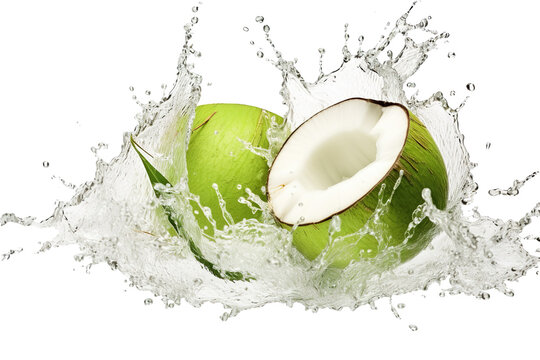
There’s a much cooler, all natural option that’s been hydrating people for centuries “Pure coconut water”. It’s the clear liquid straight from a young green coconut, and it’s not just a trendy drink it’s a powerhouse of natural goodness that your body will thank you for.

One of the biggest reasons to reach for coconut water is its incredible ability to hydrate and replenish electrolytes. It’s naturally loaded with key minerals like potassium, sodium, magnesium, and calcium. We lose these vital minerals when we sweat, and coconut water does a fantastic job of putting them back. In fact, it’s particularly rich in potassium, a mineral crucial for keeping your heart, nerves, and muscles working properly. That’s why it’s a perfect post workout drink after light exercise or a great way to rehydrate on a hot day.

Beyond hydration, this tropical elixir brings a lot more to the table. For one, it’s a great option if you’re watching your sugar and calorie intake. Unlike many bottled juices and sodas, pure coconut water is naturally low in both. Just be sure to check the label to make sure you’re getting the pure stuff without any added sugars. It also contains antioxidants, which help protect your cells from damage, and some research suggests its high potassium content may even help support heart health by managing blood pressure.

So, the next time you’re looking for a refreshing drink, skip the sugary options and give pure coconut water a try. It’s light, subtly sweet, and packed with the electrolytes and nutrients you need to feel your best. It’s a simple, delicious way to give your body a boost, straight from nature’s own source.

Categories
Health, Wellness and Medicine

The Power of Gum

For many, a stick of gum is simply a nostalgic treat or a temporary fix for bad breath.

Yet, this seemingly trivial confection holds a surprising array of potential benefits.

When used judiciously, it can improve our dental hygiene, sharpen our minds, and even calm our bodies.

The most recognized benefit of chewing gum is its positive impact on dental health, particularly when you choose a sugar-free variety.

The act of chewing stimulates a surge of saliva, which is your body’s natural defense. This extra saliva washes away food particles and neutralizes the acids produced by plaque-forming bacteria.

Many sugar-free gums even contain xylitol, a unique sweetener that actively inhibits the growth of these cavity-causing bacteria, making it a simple tool for daily oral care.

Beyond dental hygiene, the rhythmic act of chewing can offer notable cognitive and psychological advantages. The repetitive motion can lead to a slight increase in blood flow to the brain, which may enhance alertness, concentration, and memory. This makes a piece of gum a potential aid for students or professionals needing to stay focused.

Additionally, chewing has been linked to stress reduction, as the simple, repetitive motion can be a self-soothing act. Some studies have even found it can help lower levels of the stress hormone cortisol.

Categories
Health, Wellness and Medicine

Can You “Catch” a Cavity? The Truth About the Unseen Spread

You might think of a cavity as a personal dental problem, something that happens to your own teeth because of your diet or brushing habits. But what if we told you that the bacteria that cause cavities can actually spread from person to person? It’s a surprising reality. While you can’t “catch” a physical cavity like you would a cold or the flu, the microscopic organisms responsible for them can absolutely be shared. A cavity is, at its core, a bacterial infection, and the primary culprit is a bacterium known as Streptococcus mutans. These tiny organisms thrive in our mouths, feeding on the sugars and carbs we consume. In return, they produce acids that gradually erode tooth enamel, creating the tiny pits that eventually become cavities.

This is why it’s so important to understand how these bacteria are transmitted. The primary method is through saliva, which means sharing utensils, cups, and even a simple kiss can transfer these cavity causing microbes. Parents are often the unwitting carriers, unknowingly passing these bacteria to their infants and young children by blowing on food to cool it or cleaning a dropped pacifier with their mouth. Children don’t begin life with these specific bacteria in their mouths; they typically acquire them from their caregivers, making early childhood a particularly critical time for prevention.

Of course, being exposed to these bacteria doesn’t automatically mean you’ll get a cavity. Whether a cavity develops depends on a combination of factors. Your daily oral hygiene habits like regular brushing with fluoride toothpaste and flossing are your first and best defense. Your diet also plays a crucial role; the less sugar you consume, the less fuel you provide for the bacteria to create harmful acids.

Additionally, genetics and natural saliva flow can influence your susceptibility, as a healthy flow of saliva helps neutralize acids and wash away food particles.

Knowing this, you can take simple but powerful steps to protect your smile and the smiles of those you love. The most effective way to prevent the spread is to avoid sharing don’t share toothbrushes, cups, or eating utensils. Maintain excellent personal oral hygiene with consistent brushing and flossing, and be mindful of your diet to limit sugar intake. For parents, being aware of how you handle your child’s food and pacifiers can make a world of difference in their long-term dental health.

Understanding that a cavity is a bacterial infection is the first step toward better oral care, allowing you to be proactive in preventing the spread and keeping your teeth healthy and strong.

Categories
Everyday Life and Productivity

Clean Green

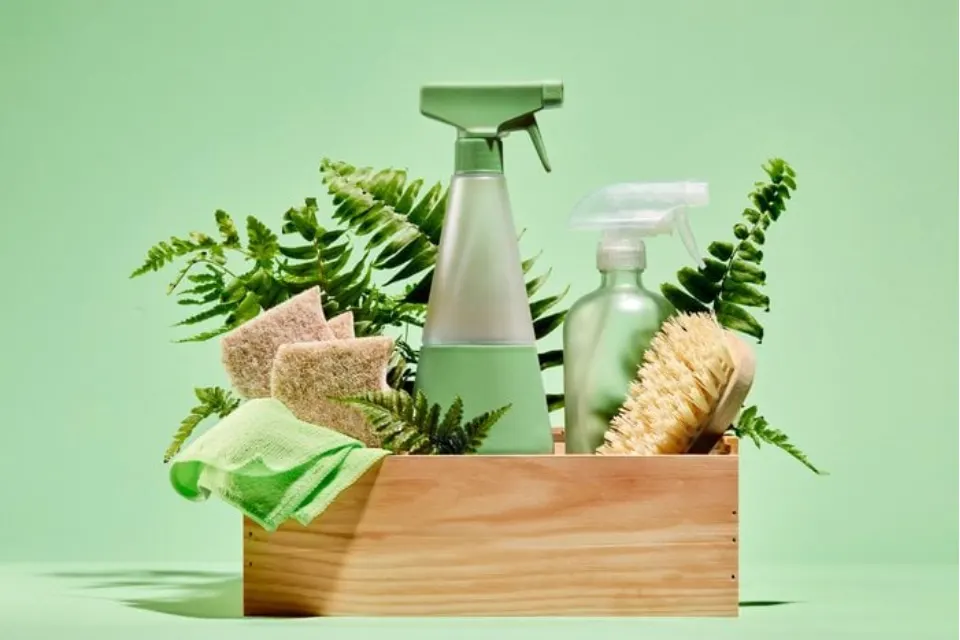
Ever get a headache from the smell of a freshly scrubbed bathroom? Or worry about your curious pet licking up a spill of floor cleaner? We’ve all been there. For years, we’ve associated that strong, chemical scent with “clean.” But what if a truly clean home didn’t have to come at the expense of your health or the environment? Making the switch to eco-friendly cleaning products isn’t just a trend; it’s a simple, powerful change you can make for a healthier life.

It’s about more than just a green colored label. True eco-friendly products are different from conventional cleaners in a few key ways. They skip the stuff that can irritate your skin, mess with your breathing, or harm aquatic life, like phosphates, chlorine, and ammonia. Instead, they use ingredients from plants and minerals that are much safer for your family, pets, and the planet. When these cleaners go down the drain, their ingredients break down naturally without polluting our waterways. That’s a huge win for marine life and our ecosystems. Many green brands also use concentrated formulas, so you just add water. This means less plastic packaging and a smaller carbon footprint from shipping lighter products. Plus, many brands offer refillable bottles, so you can reuse the same container over and over.

A Cleaner Home, a Healthier You!

Think about it, the air in your home is what you and your family breathe every single day. By using non-toxic products, you’re not just cleaning surfaces you’re improving your indoor air quality. This is especially important for households with young children, people with allergies or asthma, and pets who spend their lives close to the floor. You can finally clean with confidence, knowing you aren’t leaving behind any harmful residue.

You don’t need to empty your cleaning cabinet all at once. Start by reading the labels. Look for certifications like EPA Safer Choice or the Leaping Bunny logo, which means the product is cruelty-free. These labels are your signal that a product meets high standards for safety and effectiveness.

You can also try a DIY solution. You’d be amazed at what a simple mix of vinegar, baking soda, and a little essential oil can clean. These common ingredients can tackle everything from greasy counters to clogged drains. Another option is to find a brand you love. There are so many amazing companies now that are transparent about their ingredients and committed to sustainability. Do a quick search online, or check out your local grocery store’s natural products section. Switching to eco-friendly cleaning products is a simple step with a huge impact. It’s about creating a space that feels truly clean and safe, from the air you breathe to the surfaces you touch.

What do you clean your home with?