
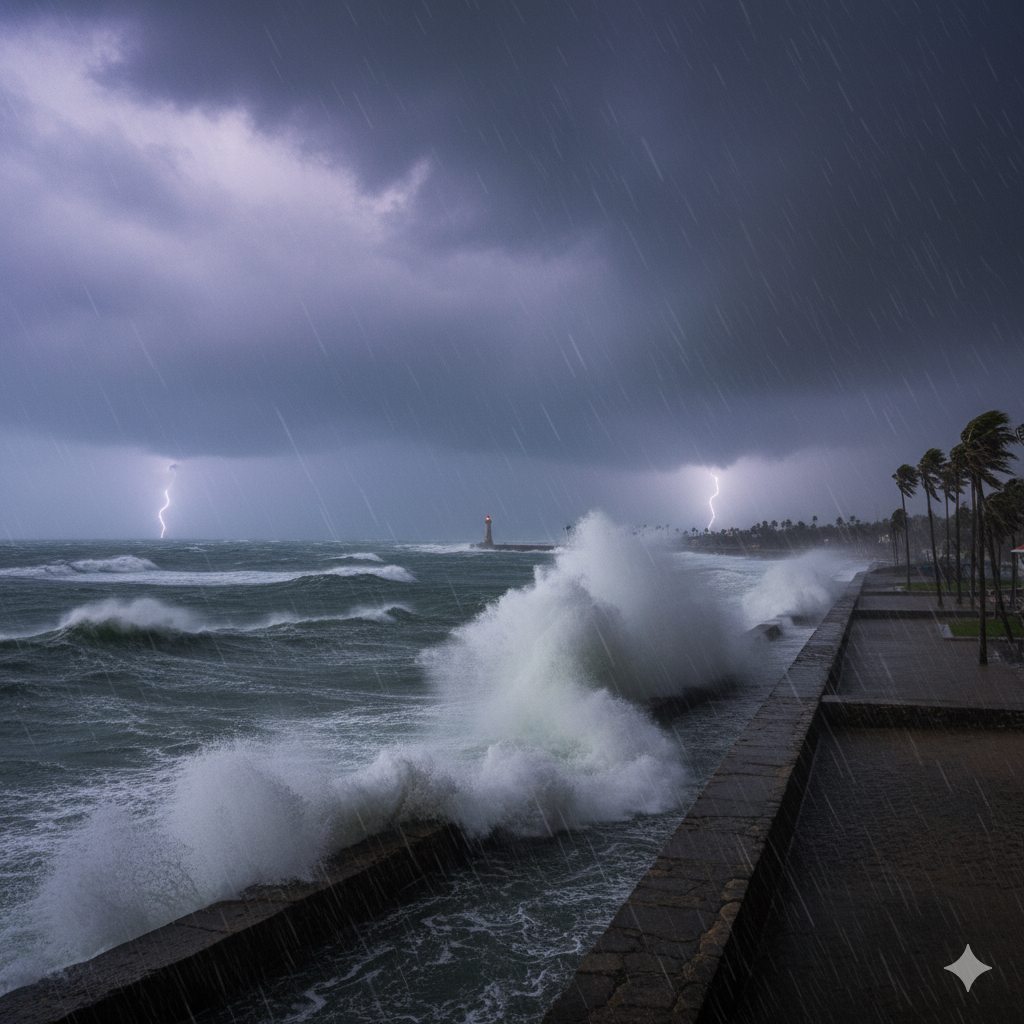
Listen up, folks. If you live anywhere near the coast, you know a Nor’easter in the rain-and-wind category is a serious event. We’re talking relentless, sideways rain, wind that makes your house groan, and ocean waves powerful enough to cause severe flooding and erosion right where the beach used to be. You can’t stop the storm, but you can absolutely control how ready you are. Your safety depends on preparation, not luck.
Phase 1: Pre-Storm Prep is Your Best Defense
This is the most critical time before that first gust hits. First, build a comprehensive Emergency Kit. You need at least a three-day supply of water and non-perishable food. Don’t forget flashlights, extra batteries, and a trusty battery-powered radio to grab alerts if the power goes dark. Next, you need to look outside. Every piece of outdoor furniture, grill, or loose trash can is a potential missile; bring it in or secure it tightly. Clear those gutters! That incoming rain needs a fast, clear path away from your foundation. Finally, charge every phone, laptop, and power bank you own, and always top off your car’s gas tank.
Phase 2: Stay Safe While the Storm Rages
Once the weather turns ugly, your job is simple: Stay Indoors and Stay Put. Avoid any travel; coastal roads can flood rapidly, and strong winds make driving incredibly dangerous. Stay away from windows; they’re the weak spots in a high-wind event. If the lights go out, use flashlights, not candles. If you need a generator, it must be placed outside and far away from any windows or doors. I can’t stress this enough: using a grill or gas stove indoors for heat is a fatal mistake that’s how people succumb to silent, odorless carbon monoxide poisoning. And if you see floodwaters? “Turn around, don’t drown.” It’s the simplest, most important rule.
Phase 3: Caution After the Coast is Clear
The danger doesn’t vanish just because the sun peeks out. Be extremely wary of the aftermath. The biggest threat? Downed power lines. Assume every single one is live and lethal. Report it, and keep everyone away. Before re-entering any part of your home that might have flooded, check for structural damage. Take photos of everything for your insurance documentation.
And finally, take a moment to be a good neighbor. Check on elderly residents or those who live alone; a friendly face and a quick check-in can make a huge difference after a nasty storm.
Now you’re armed with the essentials. Stay smart, stay safe, and you’ll weather this just fine.