Categories
Community Alerts and Safety

Fake Delivery Notifications Are Increasing — One Click Can Lead to Identity Theft

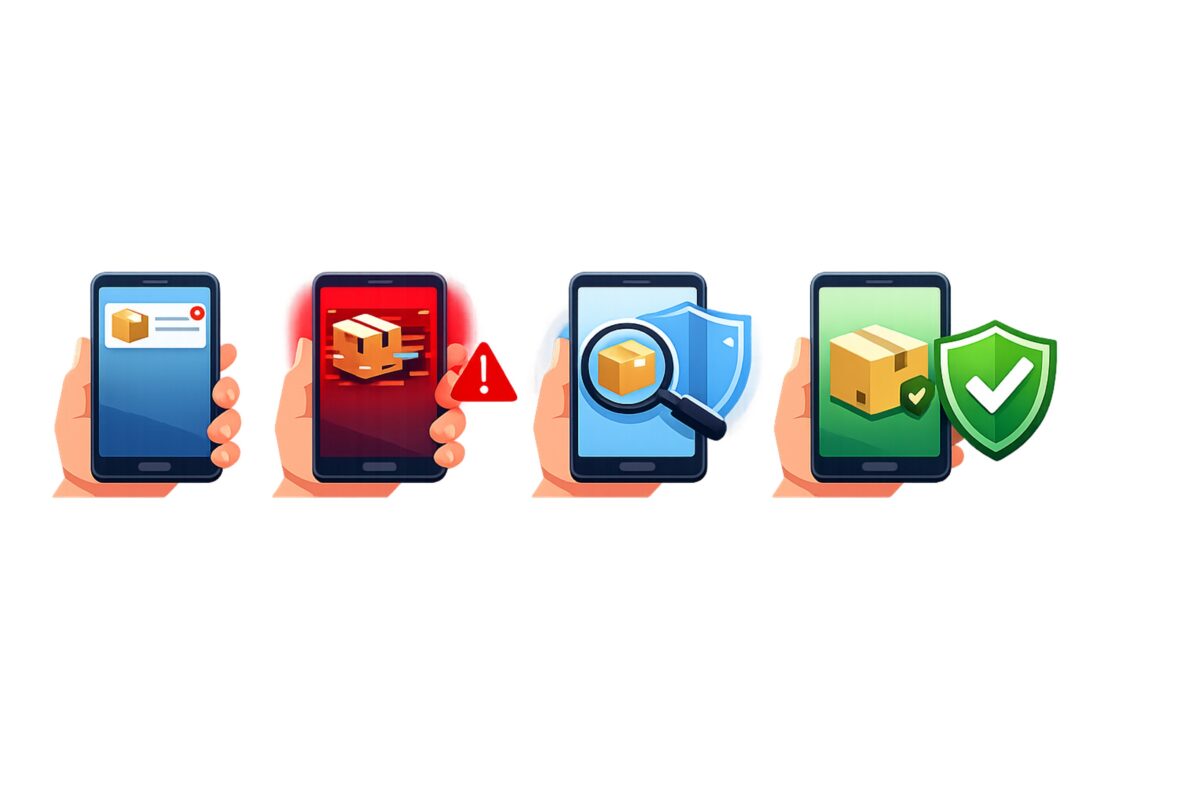
Communities across the country are reporting a significant increase in fake package delivery notifications sent through text messages, emails, and messaging apps. These messages often claim that a package could not be delivered, requires address verification, has unpaid shipping fees, or is waiting for pickup.

At first glance, these notifications appear legitimate. They may use company logos, professional formatting, tracking numbers, and urgent language designed to create concern. The goal is simple: convince the recipient to click a fraudulent link.

Once clicked, victims may be directed to a fake website that requests:

* Credit card information
* Personal identification details
* Account login credentials
* Banking information
* Payment for fake shipping fees

Some websites also attempt to install malware or collect information that can later be used for identity theft and financial fraud.

🚨 Why This Matters Now

Online shopping, food delivery services, subscription boxes, and same-day shipping continue to grow. As more people receive packages regularly, scammers are exploiting the fact that many recipients are often expecting a delivery.

Criminals know that when someone receives a message claiming there is a problem with a package, they are more likely to react quickly without verifying the source.

These scams frequently increase during:

* Holiday shopping seasons
* Major sales events
* Back-to-school periods
* Tax refund season
* Severe weather disruptions affecting deliveries

⚠️ Common Warning Signs

* Messages from unfamiliar phone numbers or email addresses
* Links that do not match the official delivery company’s website
* Requests for small “redelivery” or “processing” fees
* Urgent warnings that a package will be returned immediately
* Spelling errors, awkward wording, or unusual formatting
* Requests for passwords, account credentials, or financial information

🛡️ Critical Safety Guidance

* Never click links in unexpected delivery messages.
* Verify package status directly through the retailer or official delivery app.
* Type official websites into your browser manually instead of using provided links.
* Enable package tracking notifications through trusted retailer apps.
* Use multifactor authentication on shopping and email accounts.
* Report suspicious messages as spam or phishing attempts.

🏘️ Community Impact

Delivery scams affect people of all ages, but seniors and individuals who frequently shop online are often targeted most aggressively. Beyond financial losses, victims may spend months resolving identity theft issues, replacing cards, changing passwords, and recovering compromised accounts.

These scams also reduce public trust in legitimate delivery notifications, making it harder for consumers to distinguish between genuine updates and fraudulent messages.

📱 What To Do If You Clicked a Suspicious Link

If you accidentally click a suspicious delivery link:

* Close the website immediately.
* Do not enter any information.
* Run a security scan on your device.
* Change passwords for affected accounts.
* Monitor bank and credit card activity.
* Contact your financial institution if payment information was entered.

Acting quickly can significantly reduce potential damage.

🔍 Safety Takeaway

A legitimate package company will never pressure you into making immediate payments through random text links. When a delivery message creates urgency, pause, verify, and confirm through official channels before taking action.

Remember:
Track through trusted apps, not unexpected links. A few seconds of verification can prevent months of fraud recovery. 🚚🛡️📦

Categories
Community Alerts and Safety

Heat Safety Alert: Extreme Temperatures Are Causing a Rise in Heat Illness Emergencies

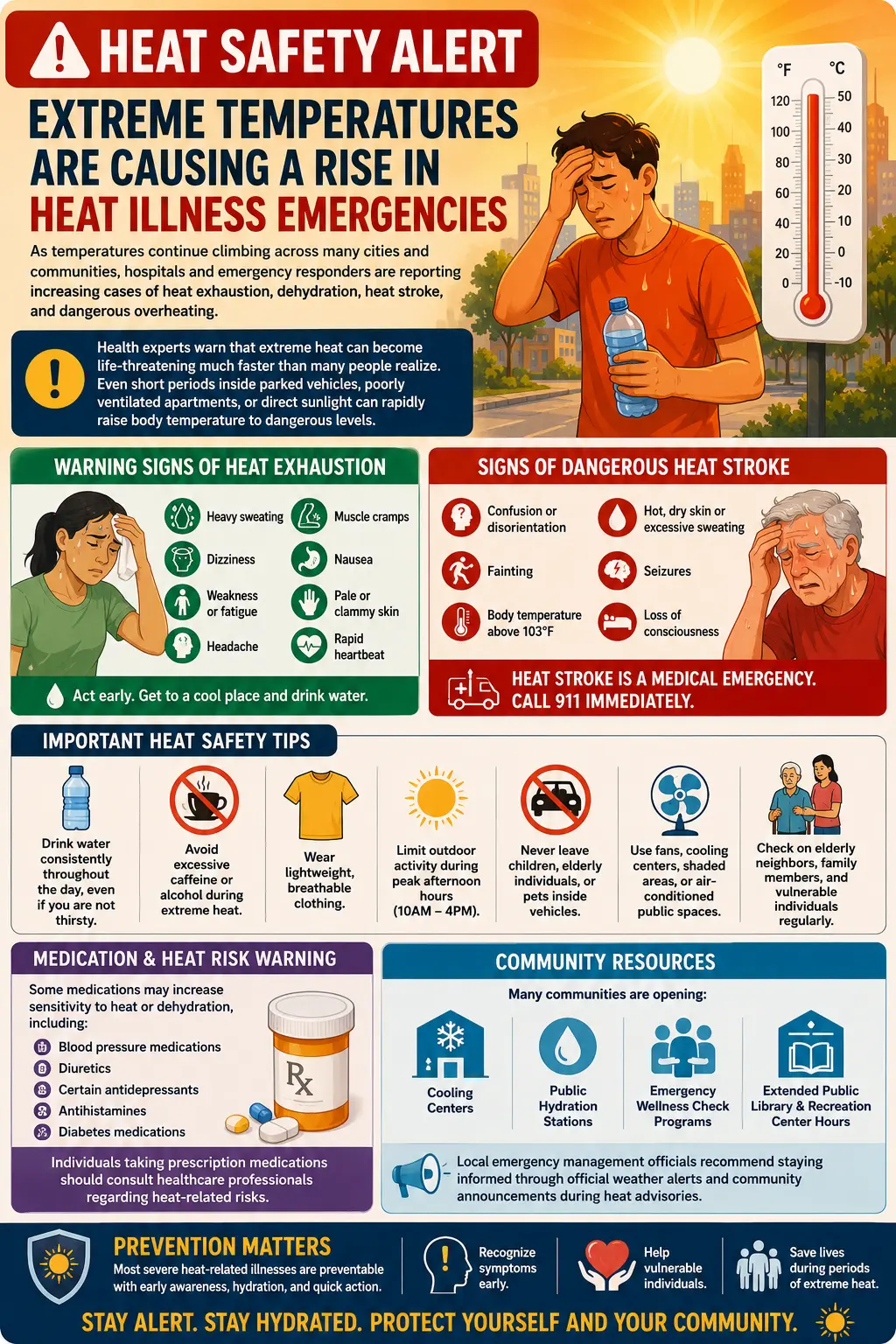
As temperatures continue climbing across many cities and communities, hospitals and emergency responders are reporting increasing cases of heat exhaustion, dehydration, heat stroke, and dangerous overheating — especially among seniors, children, outdoor workers, individuals without air conditioning, and people with medical conditions.

Health experts warn that extreme heat can become life-threatening much faster than many people realize. Even short periods inside parked vehicles, poorly ventilated apartments, or direct sunlight can rapidly raise body temperature to dangerous levels.

Warning Signs of Heat Exhaustion:
– Heavy sweating
– Dizziness
– Weakness or fatigue
– Headache
– Muscle cramps
– Nausea
– Pale or clammy skin
– Rapid heartbeat

Signs of Dangerous Heat Stroke:
– Confusion or disorientation
– Fainting
– Body temperature above 103°F
– Hot, dry skin or excessive sweating
– Seizures
– Loss of consciousness
Heat stroke is a medical emergency and requires immediate assistance.

Important Heat Safety Tips:
– Drink water consistently throughout the day, even if you are not thirsty.
– Avoid excessive caffeine or alcohol during extreme heat.
– Wear lightweight, breathable clothing.
– Limit outdoor activity during peak afternoon hours.
– Never leave children, elderly individuals, or pets inside vehicles.
– Use fans, cooling centers, shaded areas, or air-conditioned public spaces whenever possible.
– Check on elderly neighbors, family members, and vulnerable individuals regularly.

Medication & Heat Risk Warning:
Some medications may increase sensitivity to heat or dehydration, including:
– Blood pressure medications
– Diuretics
– Certain antidepressants
– Antihistamines
– Diabetes medications

Individuals taking prescription medications should consult healthcare professionals regarding heat-related risks.

Community Resources:
Many communities are opening:
– Cooling centers
– Public hydration stations
– Emergency wellness check programs
– Extended public library and recreation center hours

Local emergency management officials recommend staying informed through official weather alerts and community announcements during heat advisories.

Prevention Matters:
Most severe heat-related illnesses are preventable with early awareness, hydration, and quick action. Recognizing symptoms early and helping vulnerable individuals can save lives during periods of extreme heat.

Stay alert. Stay hydrated. Protect yourself and your community.

Categories
Health, Wellness and Medicine

Dehydration Is Rising — Indoor Heating & Busy Schedules Are the Culprit

Colder months and constant indoor heating dry the air, while busy routines make it easy to forget to drink enough water. Mild dehydration can show up as headaches, fatigue, dry skin, dizziness, or trouble concentrating. A simple wellness habit trending now: drink water consistently throughout the day and pair it with light electrolytes when needed,especially if you’re active, sick, or spending long hours indoors.

Why this matters now:
Seasonal changes, illness recovery, and packed schedules increase dehydration risk, even when people don’t feel “thirsty.”

Categories
Life Hacks

Background App Refresh Is Quietly Draining Your Phone Battery

Many apps continue running and updating in the background, even when you’re not using them. A trending life hack right now: turn off background app refresh for non-essential apps. People are reporting noticeable battery improvements without changing usage habits.

Why this matters now:
With increased reliance on phones for payments, navigation, work, emergency alerts, and QR codes, battery life has become critical. This small settings change can add hours of use.

Categories
Community Alerts and Safety

Emergency Alerts Are Increasing — Make Sure Your Phone Can Receive Them

Cities and states are issuing more emergency alerts for severe weather, missing persons, public safety threats, and evacuation notices. Many people unknowingly have alerts disabled or silenced due to past notification settings. Checking that Wireless Emergency Alerts (WEA) are enabled ensures you receive critical warnings in real time.

Why this matters now:
With extreme weather events, infrastructure issues, and public safety incidents becoming more frequent, emergency alerts are often the fastest and most reliable warning system available.

Categories
Community Services and Resources

Utility Assistance Programs Are Expanding During High Energy Costs

With energy prices remaining high, many states and local agencies are expanding utility assistance programs to help residents cover heating, cooling, and electricity bills. Support may include bill credits, emergency shut-off protections, payment plans, and energy-efficiency assistance. Availability and eligibility can change quickly, so checking official state or utility websites is important.

Why this matters now:
Extreme temperatures and rising energy costs are putting pressure on household budgets, especially for seniors, families, and people with fixed incomes.

Categories
Everyday Life and Productivity

Digital Overload Is Hurting Productivity — Fewer Notifications = More Focus

With nonstop alerts from work apps, social media, delivery updates, banking, weather, and news, many people are experiencing notification fatigue. A growing productivity trend is to turn off all non-essential notifications and only allow calls, messages, and critical alerts. Even small reductions dramatically improve focus, reduce stress, and help people finish tasks faster.

Why this matters now:
Remote work, breaking news cycles, AI tools, and constant updates have blurred work-life boundaries. Productivity isn’t about doing more, it’s about protecting attention.

Categories
Community Services and Resources

Public Assistance Offices Are Expanding Online & Appointment-Only Services

Many local government offices that handle public assistance, such as housing support, food benefits, unemployment services, and utility aid, are shifting to online portals and appointment-only visits. Walk-in availability is becoming limited, while digital applications, document uploads, and scheduled appointments are now the fastest way to receive help.

Why this matters now:
High demand for assistance, staffing shortages, and increased digital modernization mean people who rely on walk-ins may face delays. Knowing to check official websites first can save hours or even days.

Categories
Community Alerts and Safety

Food Prices Are Rising — Frozen & Store-Brand Foods Are the Smart Swap

With grocery prices continuing to rise, many shoppers are cutting costs by switching to store-brand products and frozen foods. Frozen fruits and vegetables often cost less, last longer, and retain similar nutritional value compared to fresh options. Store brands frequently come from the same manufacturers as name brands—at a lower price.

Why this matters now:
Inflation and supply-chain disruptions are still impacting food costs. Simple shopping swaps can reduce grocery bills immediately without changing eating habits.

Categories
Life Hacks

Battery Drain Is Worse Than Ever — Here’s the Simple Fix

Phone batteries are draining faster due to constant background activity from apps, location tracking, AI features, and push notifications. A simple life hack making the rounds: force-close unused apps + disable background refresh for non-essential apps, then restart your phone once a week. Users report noticeable battery life improvements without changing devices.

Why this matters now:
More people rely on their phones for payments, navigation, work, and alerts. With extreme weather, travel, and emergency notifications increasing, battery life has become a daily survival issue, not just a convenience.