Categories
Community Alerts and Safety

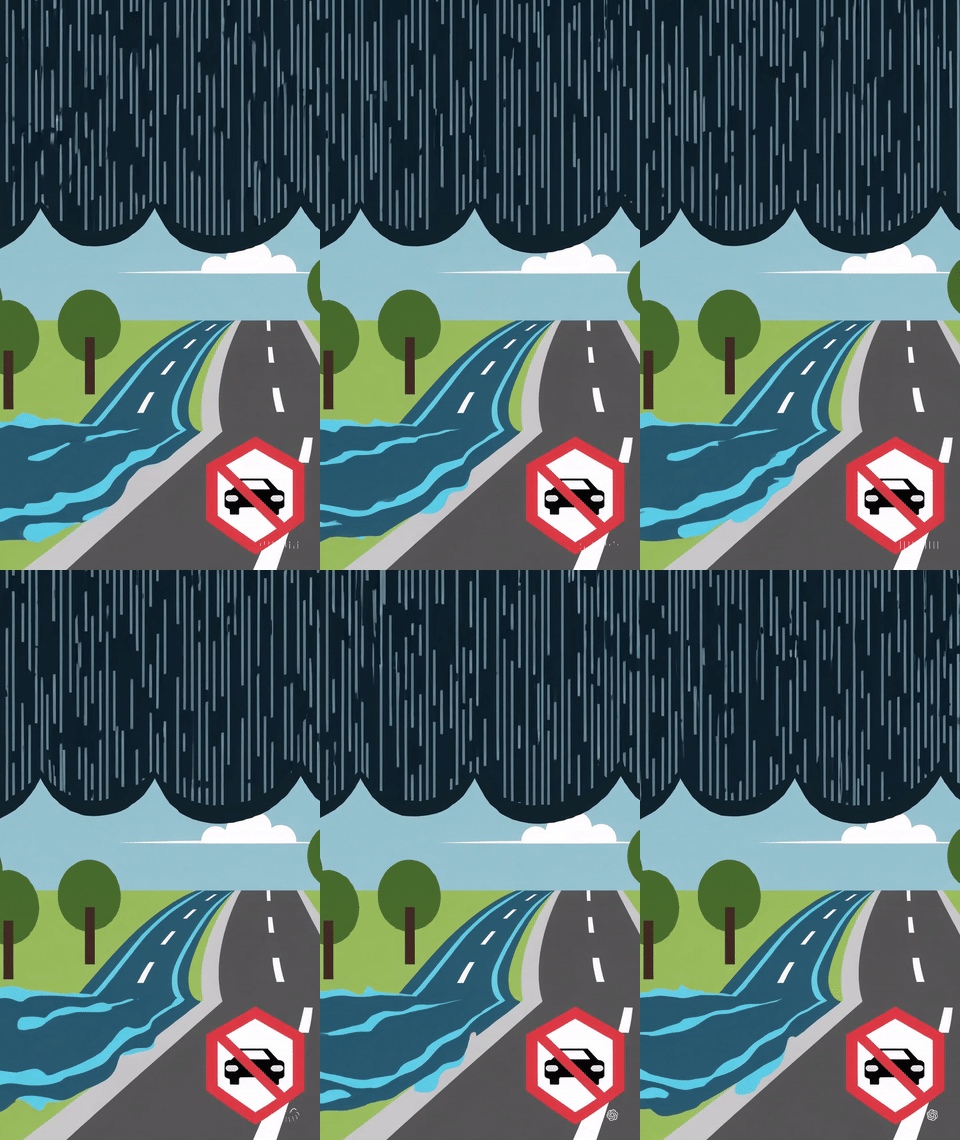
Flash Flood Warnings Are Increasing – Roads Can Become Deadly in Minutes

Communities across the country are experiencing a rise in flash flood warnings due to heavier rainfall, overwhelmed drainage systems, and sudden storms. Unlike slow-moving floods, flash floods can form within minutes, turning streets, underpasses, and familiar routes into dangerous conditions with little visible warning.

Many flood-related injuries and deaths occur when drivers or pedestrians underestimate shallow water, assuming it’s safe to cross. In reality, as little as 6 inches of moving water can knock a person down, and 12–18 inches can carry away most vehicles, including SUVs and trucks.

Why this matters now:
Weather patterns are becoming more unpredictable, and flash flooding is increasingly occurring outside traditional flood zones. Urban areas are especially vulnerable due to pavement runoff and clogged storm drains. Emergency responders consistently report that the majority of flood rescues happen because people try to travel during active warnings.

Critical Safety Guidance:

Never drive or walk through flooded streets – “Turn Around, Don’t Drown.”

Avoid underpasses, low-lying roads, and areas near creeks or storm drains during heavy rain.

Pay attention to emergency alerts, even if conditions look calm where you are. Flooding can occur upstream and rush in suddenly.

If water begins rising around your vehicle, exit immediately and move to higher ground if it is safe to do so.

Community Impact:
Flash floods disrupt emergency services, delay response times, damage homes and businesses, and put first responders at risk. Staying informed and adjusting travel plans during warnings helps protect not just individuals, but the entire community.

Safety Takeaway:
If you can’t see the road beneath the water, it’s already unsafe. When flash flood alerts are active, delay travel and prioritize safety over convenience.

Categories
Food and Drinks

Foodborne Illness Cases Are Rising – Improper Food Storage Is a Major Cause

Public health agencies are reporting an increase in foodborne illness cases, many of which are linked not to restaurants, but to improper food handling and storage at home. As grocery prices rise, more people are cooking in bulk, saving leftovers longer, and stretching meals—sometimes beyond safe limits.

One of the most common mistakes is leaving cooked food out too long before refrigeration or storing leftovers without proper sealing. Bacteria such as Salmonella, E. coli, and Listeria can multiply quickly when food is kept in the “danger zone” between 40°F and 140°F, even if the food looks and smells fine.

Why this matters now:
Busy schedules, meal prep trends, and rising food costs mean leftovers are being reused more often. At the same time, power outages, appliance issues, and overloaded refrigerators can increase spoilage risk. Many people rely on visual cues to judge food safety—but harmful bacteria are invisible.

Key Food Safety Guidance:
– Refrigerate cooked food within 2 hours (or 1 hour if temperatures are above 90°F).
– Store leftovers in shallow, airtight containers to cool quickly and evenly.
– Eat refrigerated leftovers within 3–4 days, even if they smell fine.
– Reheat food until it is steaming hot throughout, not just warm.
– When in doubt, throw it out — food poisoning costs more than wasted food.

Nutrition & Health Impact:
Foodborne illness can cause severe dehydration, hospitalization, and long-term complications, especially for children, seniors, pregnant individuals, and those with weakened immune systems. Preventing illness starts with simple, consistent kitchen habits.

Food & Drink Takeaway:
Saving food saves money – but only when it’s stored safely. Proper refrigeration and timely leftovers protect both your health and your household budget.

Categories
Community Alerts and Safety

Subscription Creep – The 5-Minute Trick to Stop Paying for What You Don’t Use

Many people are unknowingly losing money each month to forgotten subscriptions-apps, streaming services, trials, and AI tools that quietly renew. A simple life hack: set a quarterly reminder to review and cancel anything you haven’t used recently. This takes minutes and can instantly reduce monthly expenses.

Why this works:
Subscriptions are designed to be easy to start and easy to forget. Regular audits turn a hidden expense into quick savings—no budgeting apps, spreadsheets, or lifestyle changes required.

Life Hack Takeaway:
If you don’t remember signing up for it, you don’t need to keep paying for it.

Categories
Life Hacks

QR Codes Are Everywhere — Check the URL Before You Tap

QR codes are now used for menus, parking payments, events, deliveries, and even bills—but scammers are increasingly placing fake QR codes over real ones. A simple life hack: always preview the URL before tapping or entering information. If the link looks strange, misspelled, or shortened, don’t proceed.

Cities, restaurants, parking meters, and public services have rapidly adopted QR codes, creating new opportunities for scams in everyday places. Awareness is the easiest protection.

Categories
Community Alerts and Safety

Fake “Account Locked” Messages Are Spiking Across Text & Email

Scammers are sending messages that claim your bank, payment app, email, or delivery account has been locked due to “suspicious activity.” These messages push urgency and include links that lead to fake login pages designed to steal credentials. A key red flag: legitimate companies do not ask you to verify accounts through random links or texts.

As digital payments, deliveries, and online accounts increase, scammers are exploiting fear and urgency. These fake alerts are one of the fastest-growing fraud tactics right now.

Categories
Tech and Troubleshooting

Software Updates Are Causing App Crashes — Restart Fixes Most Issues

After recent operating system and app updates, many users are experiencing app crashes, freezes, or slow performance. A simple but often overlooked fix: restart your device after updates. Restarting clears temporary conflicts, resets background processes, and resolves many post-update glitches without deeper troubleshooting.

Frequent OS updates, security patches, and AI-powered features are rolling out faster than ever. Restarting after updates helps prevent lingering bugs and performance issues.

Categories
Life Hacks

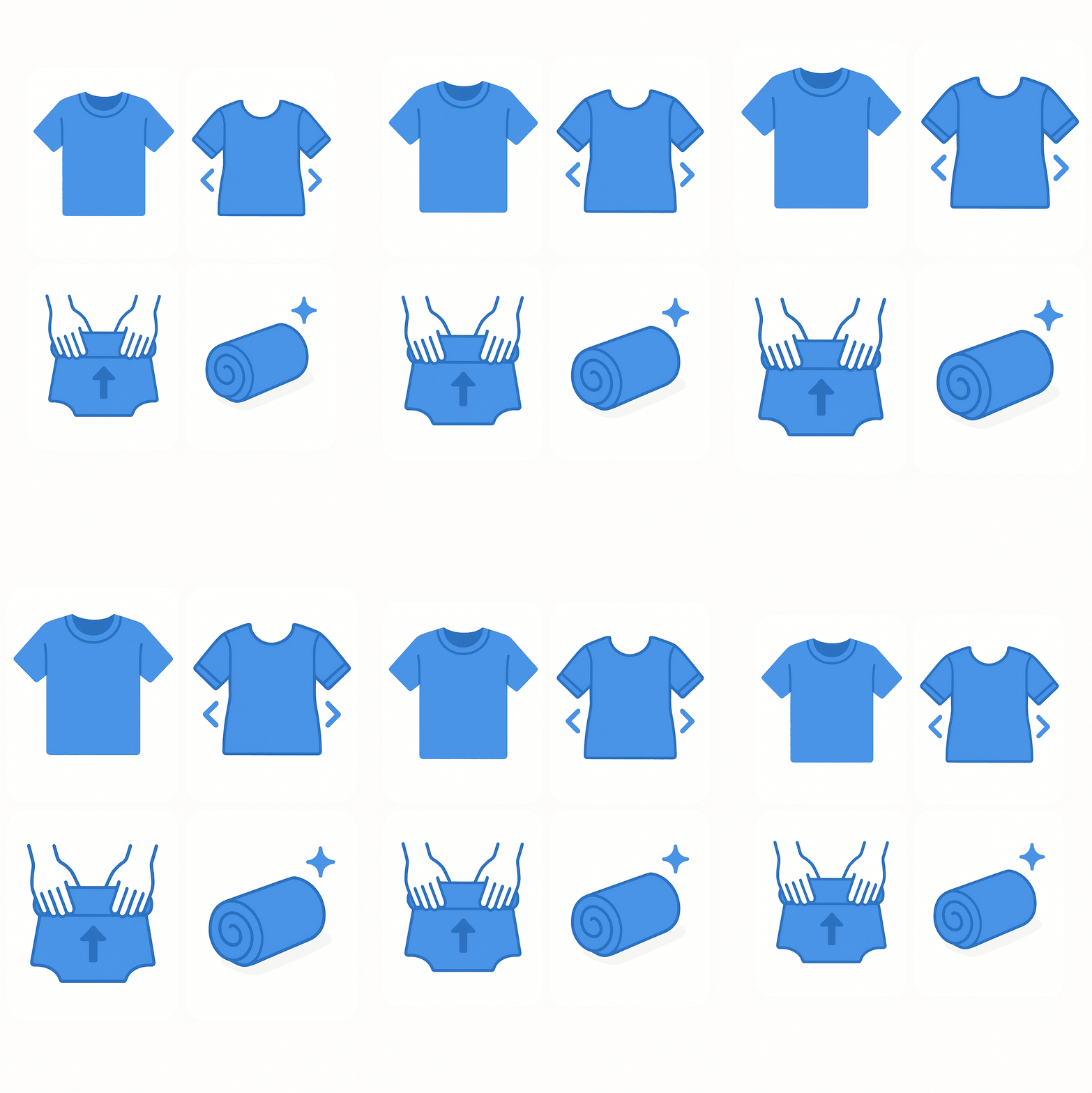
The “Laundry Burrito Hack” (The Fastest Way to Fold ANY Shirt)

Tired of folding shirts the slow, boring way? Roll it like a burrito.
Lay the shirt flat, fold the sides in, roll from the bottom up, and boom, perfect, tight, wrinkle-resistant “shirt burrito.”
Great for drawers, gym bags, travel, or when life is chaos but your shirts don’t have to be.

Fast • Satisfying • Silly name • Actually useful.

Categories
Life Hacks

The “Two-Minute Reset” – A Tiny Habit That Instantly Improves Your Day

The Two-Minute Reset is a micro-habit: when you feel overwhelmed, pause for two minutes to reset your space or your mind. It could be clearing your desk, organizing your tabs, taking a breath, drinking water, stretching, or jotting a quick plan. Small resets prevent big stress.

Categories
Everyday Life and Productivity

Wellness is Productivity

More people are recognizing that productivity isn’t just about working harder, it’s about feeling better. Your ability to focus, solve problems, and stay motivated is directly connected to your physical and mental health.

When the mind or body is stressed, performance suffers. But when you care for your sleep, nutrition, hydration, emotional balance, and rest, your energy, creativity, and decision-making improve.

Practical Ways to Apply This:
– Take short movement breaks every 60–90 minutes
– Stay hydrated — even mild dehydration affects focus
– Protect sleep like it’s part of your job (because it is)
– Schedule mental breaks just like meetings
– Eat foods that stabilize energy, not just fill hunger

This shift means wellness is no longer a luxury — it’s an essential tool for being your best.

Categories
Community Alerts and Safety

NJ State of Emergency: SNAP Benefits Suspended

As of November 1, 2025, New Jersey has entered a State of Emergency following the federal government’s suspension of SNAP (Supplemental Nutrition Assistance Program) benefits. This interruption affects hundreds of thousands of residents who rely on SNAP for monthly food access.

What This Means for Residents:
– SNAP EBT card funds may not load on scheduled refill dates.
– Grocery budgets will be directly impacted, especially for families and seniors.
– Food pantries, community centers, and local aid organizations are preparing for increased demand.

Immediate Community Resources:

Resource Type
– Emergency Food Pantries
– Soup Kitchens / Hot Meal Programs
– County Social Service Offices
– NJ 2-1-1 Hotline

Where to Look
– Local Churches
– Salvation Army
– Community Centers
– City Shelters & Outreach Groups
– County Websites & Hotlines
– Call 2-1-1 or visit nj211.org

Notes
– Bring ID
– Hours vary
– Some allow walk-ins, others require sign-in
– Can advise on temporary assistance
– Statewide help directory

What You Can Do If You’re Affected:
– Call 2-1-1 for nearest emergency food resources.
– Check local Facebook / town community groups for pop-up food drives.
– Save receipts and records if benefits resume later (for possible reimbursement programs).

Why This Matters:
This is a real-time hardship situation, not a rumor. Staying informed helps families react quickly, reduces confusion, and directs community support where it’s needed most.