Categories
Health, Wellness and Medicine

Ever Wonder What’s Really Happening When You’re in the Sun?

Let’s be honest, we’ve all been there whether you’re trying to get a nice tan or you accidentally forgot the sunscreen and ended up a lobster. But what’s actually going on with your skin? It’s all about ultraviolet (UV) radiation, and your body has some pretty cool ways of reacting to it.
A sunburn isn’t just a little red mark, it’s your skin’s emergency alarm going off! It’s basically a burn caused by too much UV light, specifically the UVB rays. When these rays hit your skin, they can damage the DNA in your skin cells. Your body rushes in to fix the problem, which is what causes all that redness, heat, and pain. It’s a loud and clear sign that your skin is hurt.

On the flip side, a suntan is your body’s way of building up its natural protection. When you’re out in the sun, UVA rays activate special cells called melanocytes. These little guys create a pigment called melanin, which is what gives your skin its color. Think of melanin as a natural shield that absorbs UV rays to protect the deeper layers of your skin. So, a tan isn’t just a healthy glow, it’s your skin’s defense mechanism in action!
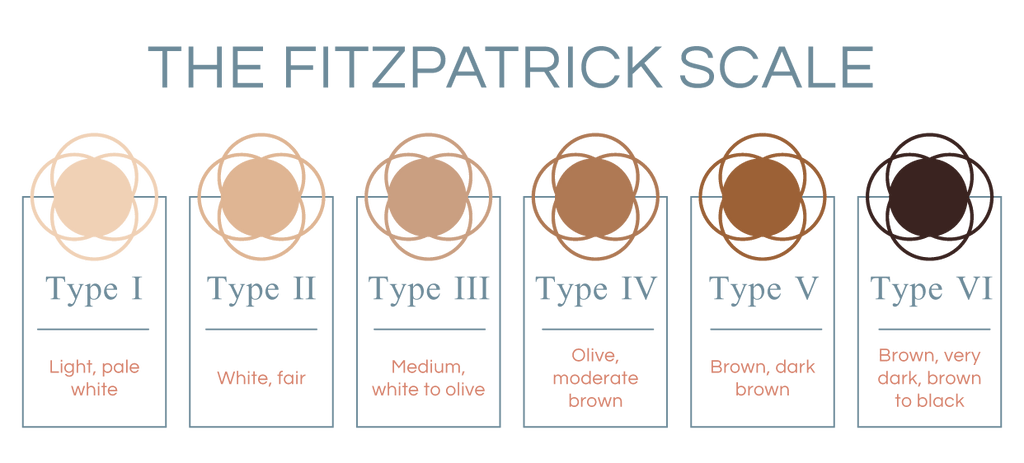
How your skin handles the sun depends on how much melanin you naturally have. The Fitzpatrick scale is a handy guide that classifies skin into six types based on how it reacts to the sun. It’s your skin’s superpower.

When you spend time in the sun, you’re exposing your skin to ultraviolet (UV) radiation. There are two main types of UV rays that reach us: UVA and UVB. Both can affect your skin in different ways, leading to either a sunburn or a suntan. ☀️

A sunburn is basically a radiation burn. It’s your skin’s emergency response to too much UV exposure. UVB rays, in particular, are the main culprits. When they hit your skin, they can damage the DNA in your skin cells. This damage triggers your body to send an army of immune cells to the area to start repairs. The redness, heat, and pain you feel are all part of this inflammatory response. It’s a clear sign that your skin has been injured.

A suntan, on the other hand, is your body’s attempt to protect itself from future sun damage. When your skin is exposed to UVA rays, special cells called melanocytes are activated. These cells produce a pigment called melanin. Melanin is the brown pigment that gives your skin its color, and it works like a natural shield, absorbing UV radiation to protect the deeper layers of your skin. A tan is essentially your skin’s defense mechanism kicking into high gear.

Your personal reaction to the sun whether you burn, tan, or both depends on the amount of melanin in your skin. Scientists use the Fitzpatrick scale to classify skin into six types based on how it responds to the sun.

Type I: Pale white skin, red or blond hair. This skin always burns and never tans.
Type II: Fair skin, blue or green eyes. This skin burns easily and tans with difficulty.
Type III: Darker white or light brown skin. This skin sometimes burns but gradually tans.
Type IV: Light brown or olive skin. This skin burns minimally and tans easily.
Type V: Brown skin. This skin rarely burns and tans very easily and darkly.
Type VI: Dark brown or black skin. This skin never burns and always tans darkly.

No matter your skin type, UV radiation can still cause long-term damage like premature aging and an increased risk of skin cancer. Even if you tan easily, that tan is still a sign of damage. That’s why protecting your skin is so important, regardless of your complexion!
Categories
Community Services and Resources

Ever feel like you’re navigating life alone?

The good news is, you’re not. Every community is full of services and resources designed to help its residents thrive. These aren’t just for people in a crisis; they’re for everyone, and using them strengthens the entire community.

These community services are the glue that holds a neighborhood together, working to improve the well-being of everyone. They are incredibly diverse, from local food banks and housing assistance to public libraries and after school programs. They also include health clinics, community gardens, and even civic groups like neighborhood watches. These resources provide a vital safety net and help ensure that everyone has a chance to succeed, regardless of their background or circumstances.

When we use and support these services, we’re not just helping ourselves we’re building a stronger community. For example, community centers and libraries create spaces where people can meet and build relationships, which helps fight isolation and fosters a sense of belonging. Access to health services and wellness programs helps people stay healthy, both physically and mentally. Additionally, educational resources and job training programs empower individuals with the skills they need to grow, find better jobs, and achieve their personal goals.

Finding these resources is easier than you might think. You can start by simply asking around or checking your local government’s website. A fantastic resource is 2-1-1, a confidential phone service that connects you to essential community services. You can also look for volunteer centers in your area to find ways to give back and help others. Volunteering is a great way to not only contribute but also to meet new people and learn new skills. Whether you’re in need of a little help or looking to lend a hand, remember that community services are there for you. Let’s make our communities a better place, together!

Categories
Health, Wellness and Medicine

Why Your Drink Belongs in Glass

Tired of worrying about what’s in your water bottle besides the water?

As we become more conscious about what we put in our bodies, the container holding our drinks is just as important as the drink itself. That’s where glass comes in, and here’s why it’s making a big comeback.

In an age where we are constantly questioning the materials we use and their impact on our health and the environment, glass bottles are making a powerful comeback. Once a standard, glass fell out of favor with the rise of cheaper, lighter, and more convenient plastic. However, as the downsides of plastic and aluminum become clearer, the benefits of glass are shining through, making it a superior choice for both personal well-being and a healthier planet.

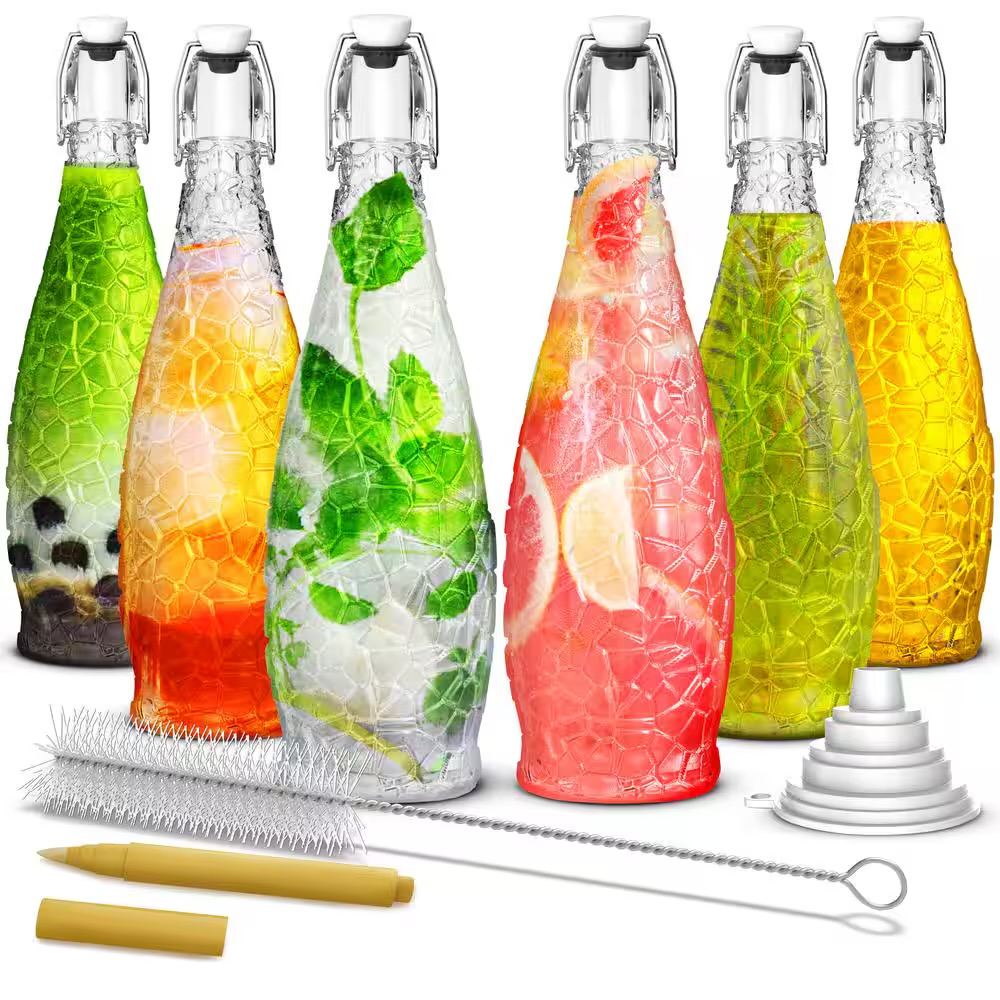
The most significant advantage of glass is its purity and inert nature. Unlike plastic and even aluminum, which often require internal linings, glass is completely non-porous and non-reactive. This means that it will not absorb odors, flavors, or colors from the liquids it holds. Your water will taste like water, not like yesterday’s juice or coffee. More importantly, glass does not leach any harmful chemicals into its contents. There’s no risk of BPA, phthalates, or other endocrine disrupting compounds migrating from the container into your beverage, even when exposed to heat. This makes glass the safest and most stable option for storing food and drinks, giving you peace of mind that what you’re consuming is truly pure.

From an environmental standpoint, glass is a champion of sustainability. It is made from abundant, natural resources like sand, soda ash, and limestone. What truly sets it apart is its infinite recyclability. Glass can be recycled over and over again without any loss in quality or purity, creating a true closed loop system. While plastic is also recyclable, it often “downcycles” into lower quality products, and a large portion of it ends up in landfills. Aluminum, while highly recyclable, still requires a protective lining. With glass, a recycled bottle can be melted down and reformed into a brand new bottle in as little as 30 days, using significantly less energy than manufacturing from raw materials. This makes glass a powerful tool in the fight against pollution and waste.

Beyond its health and environmental benefits, glass offers a number of practical advantages. Its non-porous surface makes it incredibly easy to clean and sterilize, a major benefit for reusable containers. It is also highly durable and resistant to scratches, maintaining its clarity and aesthetic appeal over time. Furthermore, glass’s ability to withstand high temperatures makes it safe for use in microwaves and dishwashers, and it can even be used to store hot liquids without any concern. In a world full of compromises, the choice to use glass is one that offers a clean, safe, and sustainable solution, proving that sometimes, the best innovations are the ones that have been around for centuries.

Categories
Health, Wellness and Medicine

The Aluminum Can A Refreshing Choice, or a Hidden Compromise?

When you reach for an ice cold can of your favorite beverage, you’re not just grabbing a drink you’re choosing a piece of packaging with a story.

Aluminum cans have long been a staple of the beverage industry, celebrated for their durability and incredible recyclability. But before you crack open that next can, it’s worth considering what lies just beneath the surface.

The health conversation around aluminum cans isn’t about the aluminum itself, but about the liner that protects your drink from the metal. For years, this lining was made with bisphenol A (BPA), a chemical known to be an endocrine disruptor. While the industry has widely moved towards BPA-free liners, this hasn’t completely settled the debate. Researchers are now looking at the chemicals used in these newer liners, some of which may have similar properties to BPA.

Another, often overlooked, aspect of the can is its exterior. Think about where a can has been before it gets to you a factory floor, a shipping truck, a warehouse, and a store shelf. The top of that can accumulates dust, dirt, and bacteria. While the risk of getting sick from this is low, a quick wipe with a cloth is a small step you can take to make your drinking experience a little cleaner.

But here’s the good news the aluminum can has a huge advantage in the sustainability department. It is one of the most recycled materials on the planet, with a recycling rate that far surpasses plastic. The process of recycling aluminum uses significantly less energy than creating new cans from raw materials. This makes aluminum cans a champion of the circular economy, reducing landfill waste and minimizing environmental impact.
In the end, the aluminum can is a story of a good idea with a few potential compromises. While the lining is still a topic of discussion, its environmental benefits are clear.

If you’re looking for a better option than plastic, an aluminum can is a great step. But for the ultimate in clean and sustainable hydration, nothing beats a reusable bottle of your own.

Categories
Health, Wellness and Medicine

The Great Plastic Debate, Is Your Bottle Hiding a Secret?

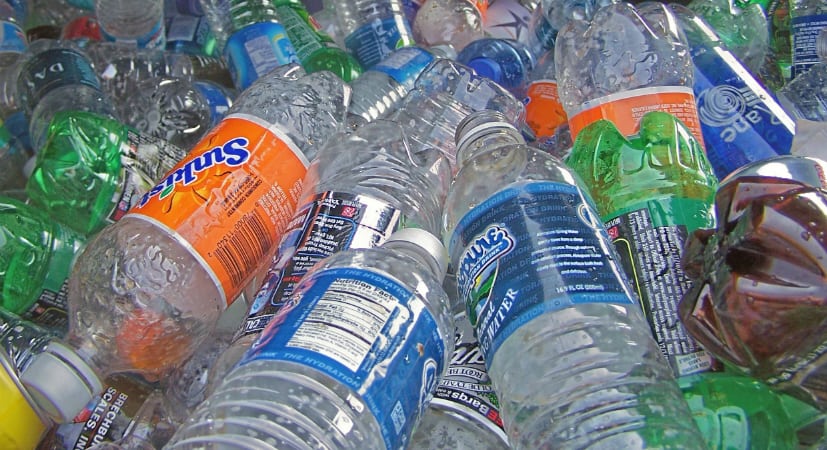
We’ve all been there grabbing a plastic water bottle on the go for a quick dose of hydration. It’s convenient, it’s cheap, and it gets the job done. But have you ever stopped to think about what’s really in that bottle and I’m not just talking about the water? The truth is, that innocent-looking plastic bottle might be hiding some secrets you’ll want to know about.

First up, let’s talk about what the bottle is made of: PET plastic. It’s designed for single use, but many of us reuse them. Here’s the kicker: with every reuse, especially if you’re washing it or leaving it in a warm car, that plastic can start to break down. This process can release chemicals like bisphenol A (BPA) and other similar compounds that are known as endocrine disruptors. While many bottles are now labeled “BPA-free,” the substitutes might not be much better, and research is still catching up on their long-term effects.

And if that’s not enough to make you think twice, consider this: microplastics. These tiny plastic particles are everywhere, and bottled water is no exception. Recent studies have found that a single liter of bottled water can contain hundreds of thousands of these microscopic fragments. While we don’t fully understand the health implications of ingesting these particles, some research suggests they could pass into our bloodstream and organs. It’s a brand new frontier of health concerns, and one that’s hard to ignore.

So, what’s the takeaway? That plastic bottle is more than just a container. It’s a complex piece of the puzzle, with potential health risks and a heavy environmental toll. If you’re a fan of the plastic bottle, it might be time to consider a change. Opting for a reusable glass or stainless steel bottle is the best way to avoid these issues and ensure your hydration habit is as clean and healthy as possible.

Categories
Outdoors and Environment

Campi Flegrei (Zombie Volcano)

The “zombie volcano” is a captivating nickname for the Campi Flegrei caldera, a massive supervolcano located just west of Naples, Italy. The name itself stems from the fact that for many years, this volcano was considered dormant or even extinct. However, in recent years, it has begun to show signs of renewed activity, essentially “coming back from the dead” and prompting a new wave of scientific concern and public attention.

Unlike a typical cone-shaped volcano, Campi Flegrei is a vast, flat caldera, with much of its structure submerged under the sea. Its location is a major point of concern, as it is situated in one of the most densely populated areas of Italy. The potential for a major eruption poses a significant threat to the more than 1.5 million people who live in the surrounding region, including the large city of Naples.

The last known eruption of Campi Flegrei occurred in 1538. Since then, the volcano has been experiencing a phenomenon known as bradyseism, where the ground slowly rises and falls as a result of magma and gas moving beneath the surface. This has led to a recent increase in seismic activity, including tremors and earthquakes, which has caused scientists to raise the volcano’s alert level. While a major eruption is not considered imminent, the signs of reawakening have triggered a close and continuous monitoring effort to assess the potential risks.

Categories
Education and Learning

Megatall Skyscraper

The tallest building in the world is the Burj Khalifa, located in Dubai, United Arab Emirates.

It has held this title since its completion in 2010 and stands at an impressive height of 828 meters (2,717 feet).

Categories
Outdoors and Environment

Fluffy Clouds

Despite their fluffy appearance, clouds are incredibly heavy. A single cumulus cloud, the common puffy type you often see on a sunny day, can weigh over a million pounds. 🤯 This is because they are made up of millions of tiny water droplets or ice crystals.

Categories
Health, Wellness and Medicine

The Surprising Health Benefits of Ocean Water 🌊

The ocean offers more than just a tranquil escape; its water holds a unique blend of minerals that can promote health. A dip in the sea can be a natural tonic for both your body and mind.

One of the most immediate benefits is its rich mineral content. Seawater is packed with essential minerals like magnesium, potassium, and iodine, which are absorbed through your skin as you swim. Magnesium is particularly known for its calming properties, helping to relax muscles and soothe the nervous system. This makes a soak in the ocean an excellent natural remedy for stress and anxiety.

Ocean water is also a powerful ally for skin health. The salt and minerals have antiseptic and antibacterial properties that can help cleanse and heal the skin. Many people with conditions like eczema and psoriasis find that swimming in the ocean reduces inflammation and irritation. The exfoliating action of the sand and salt can also leave your skin feeling smoother and more refreshed.

Beyond its physical benefits, the ocean significantly impacts our mental health. The rhythmic sound of the waves and the vast, open expanse create a naturally meditative environment, which studies have shown can lower stress levels and promote feelings of peace. The negative ions in sea air are also believed to have a positive effect on mood.

In essence, a trip to the beach is a form of therapy. Whether you’re swimming or simply walking along the shore, you’re giving your body and mind a natural boost.

Categories
Health, Wellness and Medicine

☀️ The Bright Side of Sunshine ☀️

The sun has long been seen as a source of joy, and there’s a good reason for that its benefits extend far beyond simply making us feel good. A moderate amount of sun exposure can have a profound impact on both our physical and mental well-being, from boosting essential vitamins to improving our sleep.
One of the most well-known benefits of sunlight is its role in producing Vitamin D, often called the “sunshine vitamin.” When UVB rays hit your skin, they trigger a chemical reaction that creates this vital nutrient. Vitamin D is crucial for a number of bodily functions, including maintaining strong bones, supporting immune system health, and regulating blood pressure. While it’s possible to get Vitamin D from food and supplements, the sun is a primary source for most people.
Beyond Vitamin D, sunlight is a natural mood booster. Exposure to sunlight increases the brain’s production of serotonin, a neurotransmitter that is associated with feelings of happiness and well-being. This is why people often report feeling more relaxed and energized on sunny days. This effect is so significant that a lack of sunlight is directly linked to Seasonal Affective Disorder (SAD), a form of depression that typically occurs during the darker winter months.
Furthermore, sunlight plays a key role in regulating our internal clock, or circadian rhythm. Exposure to natural light, especially in the morning, helps to set our sleep-wake cycle, which can lead to better sleep quality and higher energy levels throughout the day. This is a powerful, non-pharmaceutical way to combat insomnia and other sleep-related issues.
It’s important to remember that the key to reaping these benefits is moderation. While a little bit of sun can be incredibly beneficial, overexposure can lead to sunburn, premature aging, and an increased risk of skin cancer. Experts often recommend short, regular exposure around 10 to 15 minutes a few times a week to get the benefits without the risks. As always, it’s wise to use sunscreen, hats, and protective clothing during longer or more intense sun exposure to keep your skin safe. By finding a healthy balance, we can embrace the sun’s natural healing power and boost our overall health.