
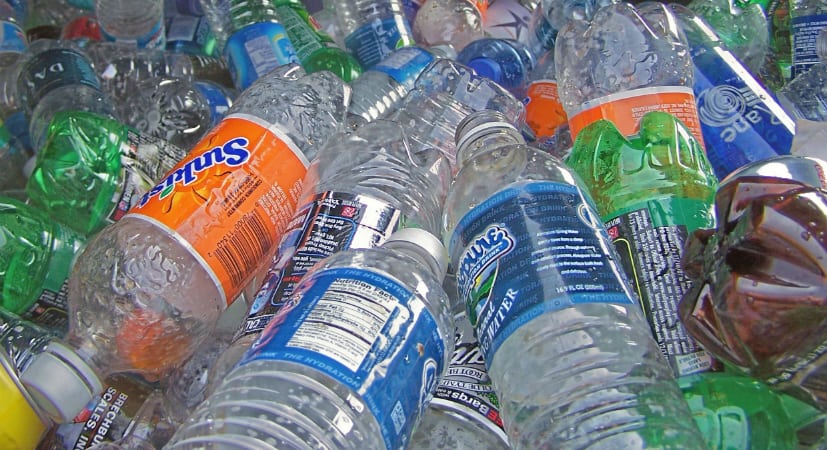
We’ve all been there grabbing a plastic water bottle on the go for a quick dose of hydration. It’s convenient, it’s cheap, and it gets the job done. But have you ever stopped to think about what’s really in that bottle and I’m not just talking about the water? The truth is, that innocent-looking plastic bottle might be hiding some secrets you’ll want to know about.
First up, let’s talk about what the bottle is made of: PET plastic. It’s designed for single use, but many of us reuse them. Here’s the kicker: with every reuse, especially if you’re washing it or leaving it in a warm car, that plastic can start to break down. This process can release chemicals like bisphenol A (BPA) and other similar compounds that are known as endocrine disruptors. While many bottles are now labeled “BPA-free,” the substitutes might not be much better, and research is still catching up on their long-term effects.
And if that’s not enough to make you think twice, consider this: microplastics. These tiny plastic particles are everywhere, and bottled water is no exception. Recent studies have found that a single liter of bottled water can contain hundreds of thousands of these microscopic fragments. While we don’t fully understand the health implications of ingesting these particles, some research suggests they could pass into our bloodstream and organs. It’s a brand new frontier of health concerns, and one that’s hard to ignore.
So, what’s the takeaway? That plastic bottle is more than just a container. It’s a complex piece of the puzzle, with potential health risks and a heavy environmental toll. If you’re a fan of the plastic bottle, it might be time to consider a change. Opting for a reusable glass or stainless steel bottle is the best way to avoid these issues and ensure your hydration habit is as clean and healthy as possible.